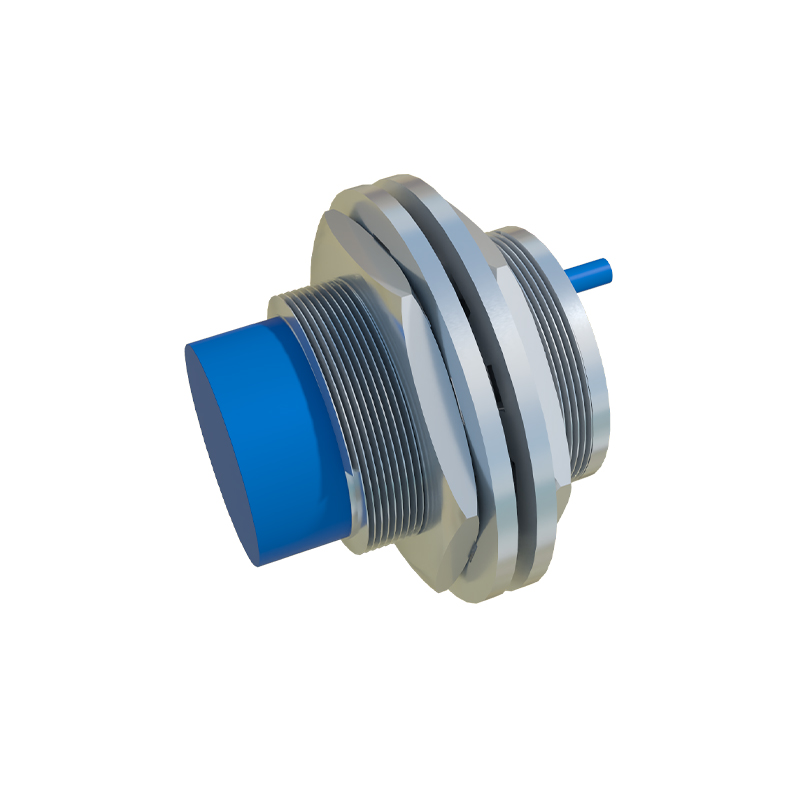
Proximity sensors have become indispensable components in modern industrial automation, offering a range of benefits that enhance efficiency, reliability, and safety. These non-contact detection devices are designed to sense the presence or absence of objects without physical contact, making them ideal for harsh or demanding environments. One of the primary advantages is their durability. Since there is no mechanical wear from physical contact, proximity sensors exhibit a significantly longer operational lifespan compared to mechanical switches. This reduces maintenance costs and downtime, contributing to overall productivity.
Another key benefit is the high-speed response capability. Proximity sensors can detect objects at rapid rates, often in milliseconds, which is crucial for high-speed production lines and precision manufacturing processes. Their ability to operate without contact also eliminates issues like bounce or friction, ensuring consistent and accurate detection. This reliability is further enhanced by their resistance to environmental factors such as dust, moisture, oil, and vibrations. Many models are built with robust housings and sealed designs, making them suitable for use in challenging conditions like automotive assembly, metalworking, and food processing industries.
Energy efficiency is another notable advantage. Modern proximity sensors, especially inductive and capacitive types, consume minimal power while maintaining high performance. This aligns with sustainable industrial practices and helps reduce operational costs. Additionally, their versatility allows for diverse applications—from detecting metallic objects in machinery to monitoring liquid levels or even recognizing materials in packaging systems. The flexibility in mounting and compact designs enables easy integration into existing setups without major modifications.
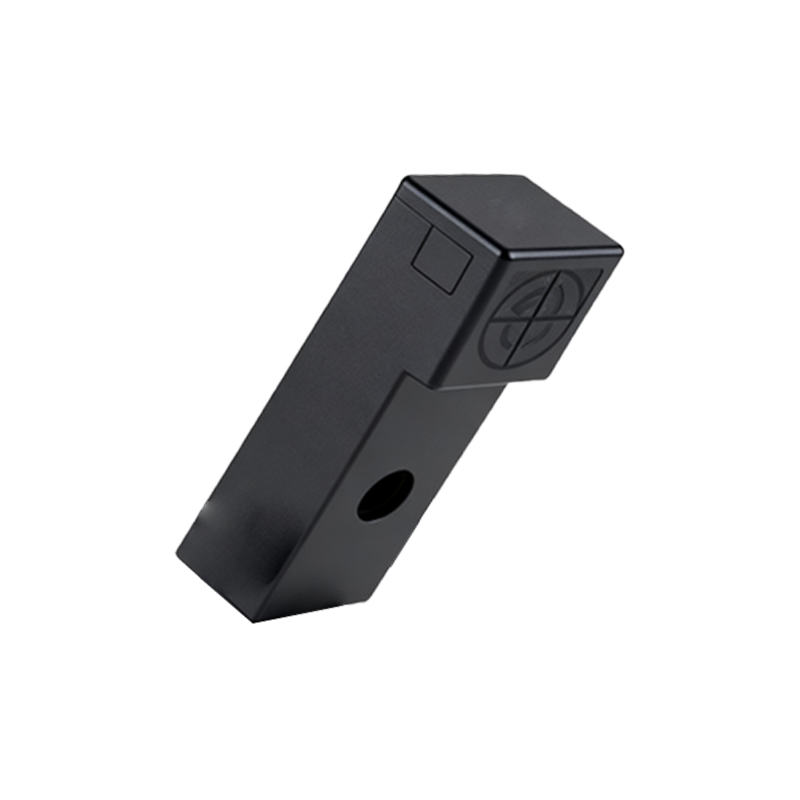
Safety improvements are a critical aspect. By enabling non-contact detection, proximity sensors help prevent accidents in automated systems, such as avoiding collisions in robotic arms or ensuring machinery only operates when components are correctly positioned. This contributes to safer workplaces and compliance with industry safety standards. Furthermore, advancements in technology have led to smart sensors with features like self-diagnostics, IO-Link communication, and adjustable sensing ranges, which simplify troubleshooting and enhance system intelligence.
In summary, proximity sensors offer a combination of durability, speed, environmental resilience, energy efficiency, and safety enhancements. These advantages make them a preferred choice for engineers seeking to optimize industrial automation, improve process control, and reduce long-term operational expenses. As industries continue to evolve toward smarter manufacturing, the role of proximity sensors is set to expand further, driven by their proven performance and adaptability.