Proximity sensors are fundamental components in modern industrial automation, serving as the eyes of machinery by detecting the presence or absence of objects without physical contact. Among the various configurations, normally open (NO) and normally closed (NC) proximity sensors play distinct roles based on their electrical states and application requirements. This article delves into the practical applications of these two types, highlighting their operational principles, advantages, and industry-specific use cases.
Normally open proximity sensors are designed to have an open circuit in their default state, meaning no current flows through the sensor when no target is detected. Upon detecting an object within their sensing range, the circuit closes, allowing current to pass and triggering an output signal. This configuration is widely used in applications where an action should only occur when an object is present. For instance, in conveyor belt systems, NO sensors are employed to start a process—such as sorting or packaging—when an item passes by. They are also common in safety systems, where the detection of a person or obstacle activates an emergency stop to prevent accidents. The key advantage of NO sensors lies in their energy efficiency, as they consume power only when activated, reducing overall energy costs in large-scale operations.
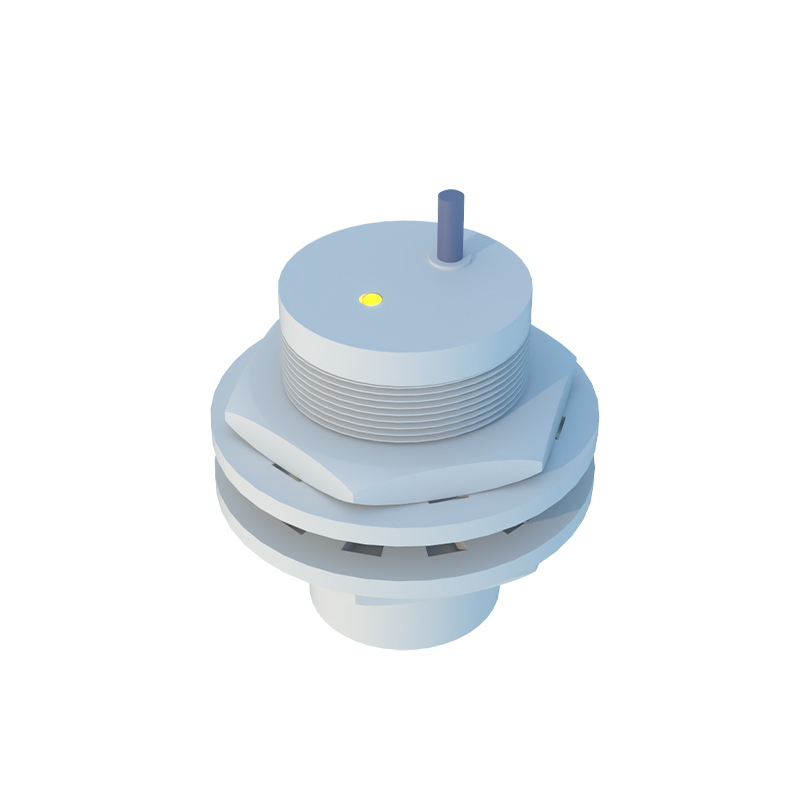
On the other hand, normally closed proximity sensors operate with a closed circuit in their default state, allowing current to flow continuously when no target is detected. When an object enters the sensing range, the circuit opens, interrupting the current and sending an output signal. This setup is ideal for fail-safe applications, where a break in the circuit indicates a problem. For example, in machine guarding, NC sensors are used to monitor the position of safety doors or barriers; if the door is opened during operation, the circuit opens, immediately halting the machine to protect operators. Similarly, in high-reliability systems like elevators or automotive assembly lines, NC sensors ensure that any malfunction—such as a sensor failure or wire break—results in a safe shutdown, preventing damage or injury. The reliability of NC sensors makes them a preferred choice in critical environments where continuous monitoring is essential.
The choice between NO and NC proximity sensors depends on factors such as safety requirements, system design, and operational logic. In many industrial setups, both types are integrated to create redundant systems that enhance reliability. For instance, a manufacturing plant might use NO sensors for routine tasks like counting products on a line, while employing NC sensors for emergency stops or alarm triggers. It is crucial for engineers to consider the fail-safe behavior: NO sensors fail open (no signal if damaged), which may not alert to a fault, whereas NC sensors fail closed (signal loss indicates an issue), providing an inherent warning. This distinction is vital in industries like pharmaceuticals or food processing, where hygiene and precision are paramount, and any undetected sensor failure could lead to contamination or product loss.
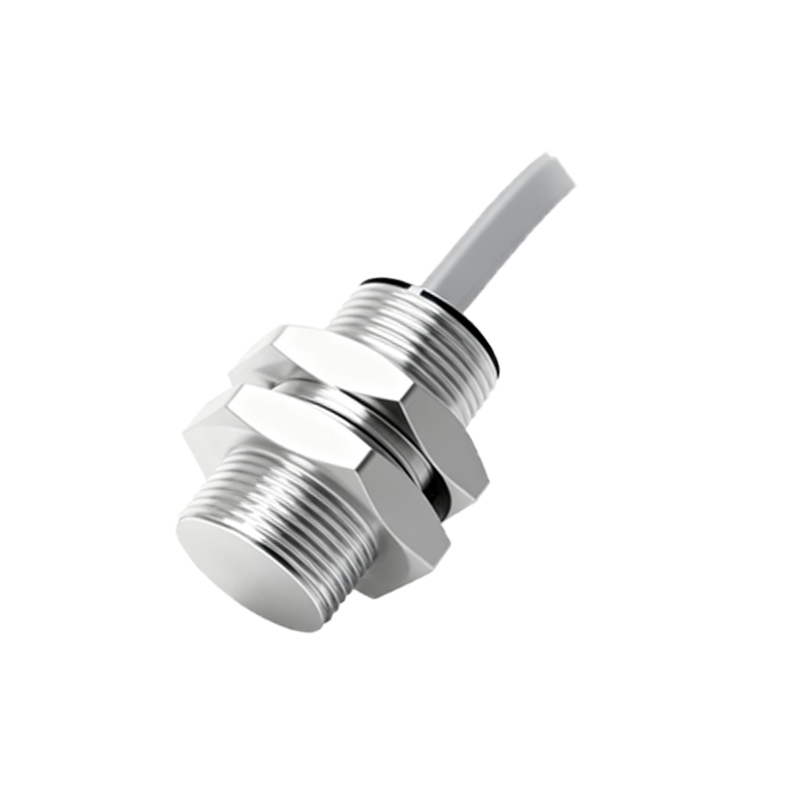
Advancements in sensor technology have led to the development of programmable proximity sensors that can switch between NO and NC modes, offering flexibility in dynamic environments. These smart sensors can be configured via software to adapt to changing production needs, reducing downtime and maintenance costs. For example, in flexible manufacturing systems that handle multiple product types, programmable sensors allow quick reconfiguration without physical adjustments. Additionally, the integration of Industrial Internet of Things (IIoT) capabilities enables real-time monitoring and predictive maintenance, further optimizing the use of NO and NC sensors in smart factories.
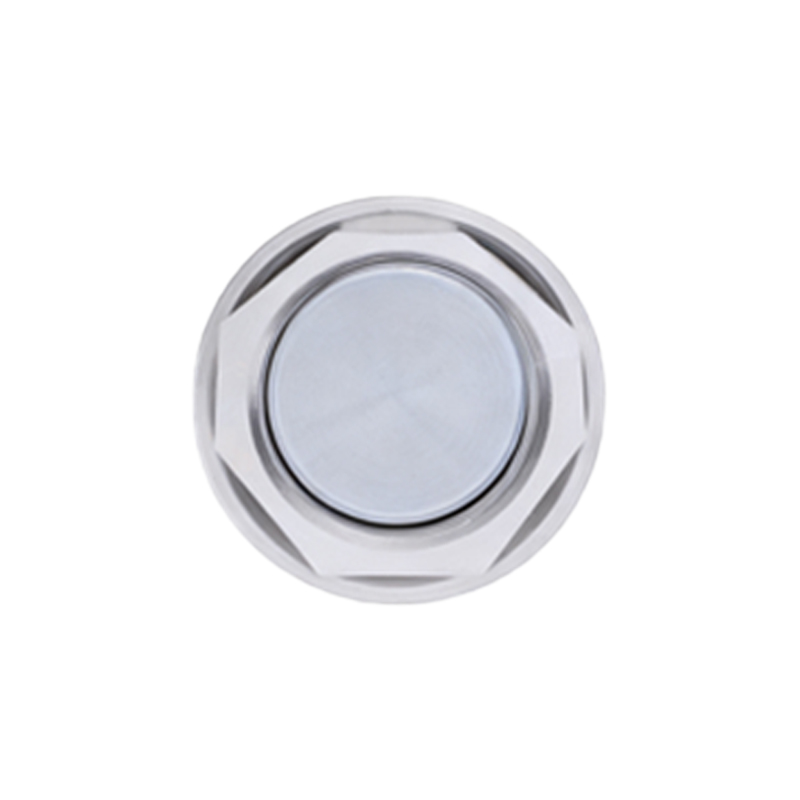
In conclusion, normally open and normally closed proximity sensors are indispensable tools in industrial automation, each serving unique purposes based on their electrical characteristics. By understanding their applications—from energy-efficient triggering with NO sensors to fail-safe protection with NC sensors—engineers can design robust and efficient systems. As industries evolve toward greater automation and connectivity, the strategic deployment of these sensors will continue to drive innovation, safety, and productivity in sectors ranging from automotive to logistics.