In the realm of industrial automation and control systems, proximity sensors are indispensable components. They detect the presence or absence of an object without physical contact, offering reliability, longevity, and precision. Understanding the various models and types available is crucial for selecting the right sensor for a specific application. This guide provides a detailed overview of the primary proximity sensor models categorized by their underlying sensing technology.
The most prevalent type is the Inductive Proximity Sensor. These sensors generate an electromagnetic field to detect metallic objects, primarily ferrous metals like steel and iron. Common models within this category include shielded (flush-mountable) and unshielded (non-flush mountable) types. Standard cylindrical housing sizes, such as M8, M12, M18, and M30, are ubiquitous. Key specifications to consider are the sensing distance (e.g., 2mm for M8, 8mm for M18), output configuration (PNP/NPN, NO/NC), and connection type (pre-wired, quick-disconnect). They are extensively used in machine tools, automotive assembly, and material handling for tasks like part counting, position verification, and limit sensing.
For detecting non-metallic objects, Capacitive Proximity Sensors are the go-to choice. They operate by detecting changes in capacitance caused by the presence of any material that alters the electrostatic field around the sensor's face. This allows them to sense materials like plastics, glass, wood, liquids, and granular substances. Models are often distinguished by their sensitivity adjustment potentiometer, which allows tuning for different materials. Typical housing styles are similar to inductive models (cylindrical M12, M18, etc.), but they may also come in rectangular formats. Applications include liquid level detection, paper or plastic film break monitoring, and presence sensing of filled containers.
Ultrasonic Proximity Sensors utilize sound waves beyond the human hearing range. They emit ultrasonic pulses and measure the time taken for the echo to return, calculating the distance to an object. This technology is effective for detecting objects of virtually any material, shape, or color, and is less affected by environmental factors like dust or light. Models are classified into through-beam (separate emitter and receiver), retro-reflective (uses a reflector), and diffuse (or proximity) types, where the sensor itself acts as both emitter and receiver. They are ideal for applications requiring precise distance measurement, bulk level sensing in silos, and object detection on conveyor belts where the target material varies.
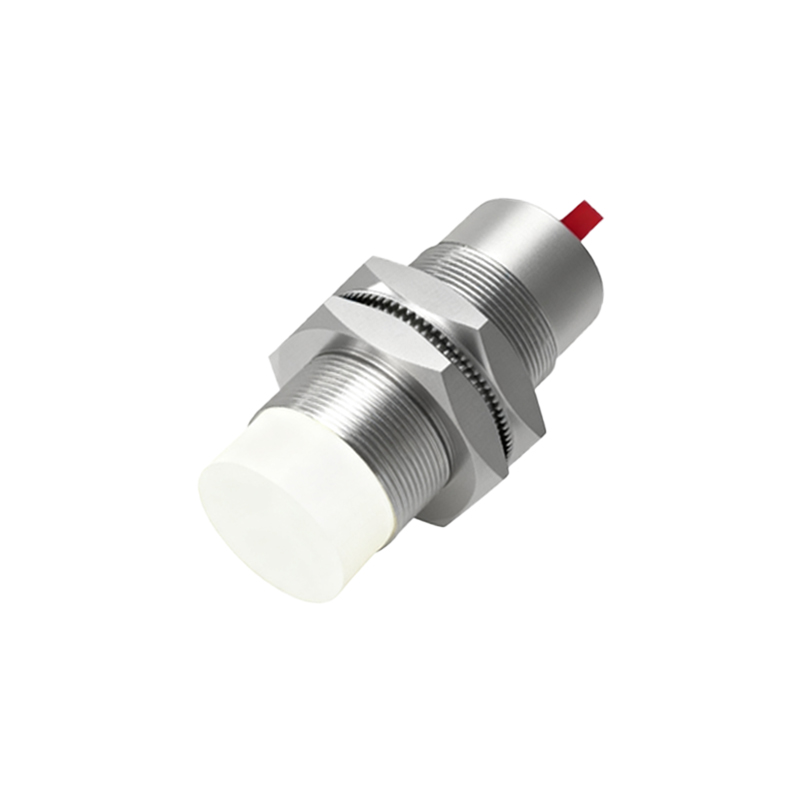
Photoelectric Sensors, while sometimes categorized separately, function as a key type of non-contact proximity device. They use a light beam (visible red, infrared, or laser) to detect objects. The main models include through-beam, retro-reflective, and diffuse (proximity) modes. Diffuse photoelectric sensors, in particular, are considered true proximity sensors as they detect the reflection of their own emitted light from the target. Advanced models feature background suppression or foreground suppression to ignore objects beyond or before a set distance. They are highly versatile for detecting small parts, transparent bottles, and high-speed labeling operations.
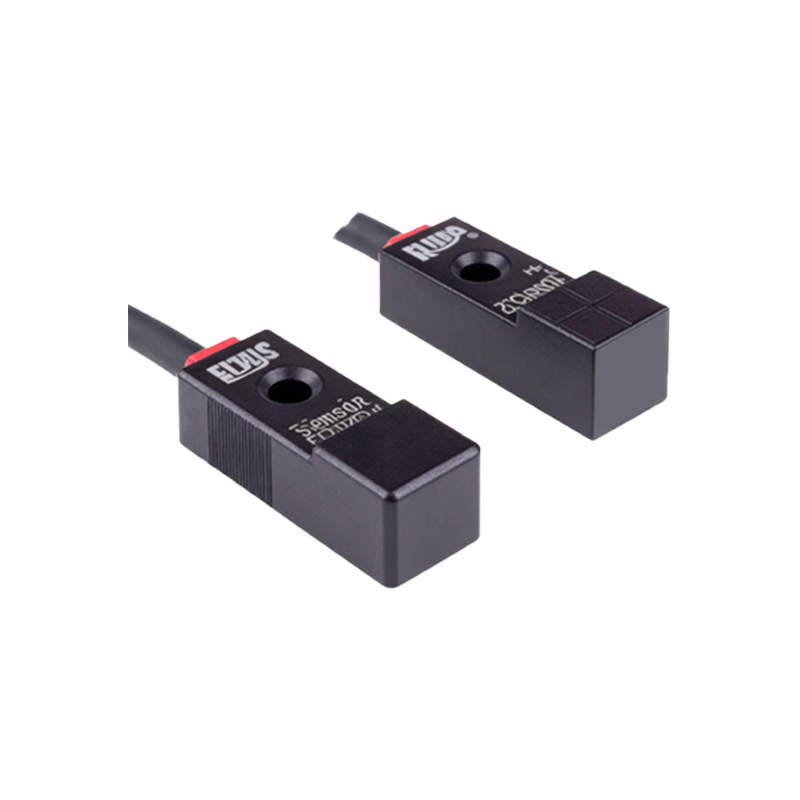
Magnetic Proximity Sensors (often Reed Switches or Hall Effect sensors) are designed specifically to detect permanent magnets. They are typically compact, hermetically sealed, and can operate in harsh environments. Models include barrel-style sensors and rectangular limit switches. Their primary application is in pneumatic cylinder position feedback, where a magnet embedded in the cylinder piston actuates the sensor. They offer a simple and reliable solution for end-of-stroke detection.
Beyond these core types, specialized models exist. Analog Output Proximity Sensors provide a continuous voltage or current signal proportional to the distance to the target, enabling precise positioning control. High-Temperature Models are built with specialized materials and electronics to withstand environments exceeding standard limits. Welding-Robust Inductive Sensors are specifically shielded against the intense electromagnetic interference generated by resistance welding equipment.
Selecting the correct model involves a thorough analysis of the application parameters: target material, required sensing distance, environmental conditions (temperature, washdown, chemicals), electrical requirements (voltage, output type), mounting constraints, and required response speed. For instance, an M18 inductive sensor with a 5mm sensing distance and PNP NO output might be perfect for detecting a metal gear tooth, while a capacitive sensor would be necessary to confirm the fill level of a plastic resin hopper.
In conclusion, the landscape of proximity sensor models is diverse, with each technology—inductive, capacitive, ultrasonic, photoelectric, and magnetic—offering distinct advantages. A deep understanding of their operating principles, standard model variations, and key specifications is essential for engineers and technicians to design efficient, robust, and cost-effective automated systems. Always consult the manufacturer's detailed datasheets for the final selection to ensure performance,