In the demanding landscape of modern industrial automation, high-temperature proximity sensors have become indispensable components. These specialized devices are engineered to detect the presence or absence of objects in extreme thermal environments, often exceeding 150°C and sometimes reaching upwards of 300°C or more. Their applications span critical sectors such as metal casting, glass manufacturing, automotive engine testing, and aerospace component processing. When evaluating the cost of these sensors, it is crucial to move beyond a simple price tag and understand the multifaceted factors that drive their value and pricing structure.
The primary determinant of cost is the underlying sensing technology. Inductive proximity sensors, commonly used for detecting metallic objects, require specialized high-temperature-resistant coils, housings, and electronics. The materials used for the sensing face (often PEEK or ceramic instead of standard plastics) and the housing (high-grade stainless steel like 316L or Inconel alloys) significantly increase raw material expenses. Capacitive sensors for non-metallic detection in hot zones face similar material challenges. Furthermore, the core electronic components, including ASICs and amplifiers, must be rated for continuous high-temperature operation, which involves costly semiconductor manufacturing processes not needed for standard sensors.
Another substantial cost factor is the research, development, and rigorous testing required to ensure reliability. Designing a sensor that maintains stable sensing distance, repeatability, and signal integrity while subjected to thermal cycling, vibration, and potential chemical exposure is a complex engineering feat. Manufacturers invest heavily in simulation, prototyping, and long-term reliability testing in environmental chambers. This R&D overhead is amortized into the unit cost. Certifications for use in hazardous areas (ATEX, IECEx) or specific industry standards (e.g., for food processing or foundries) also add to development and compliance costs.
The construction and sealing methodology directly impact both performance and price. To protect internal components, these sensors employ advanced sealing techniques using high-temperature epoxies and specialized O-ring materials like Viton or Kalrez. Hermetically sealed versions, often necessary for ultra-high temperatures or vacuum environments, involve even more complex and expensive welding or glass-feedthrough processes. The choice of cable or connector is equally critical; high-temperature cable with PTFE or fiberglass insulation and corresponding connectors contribute notably to the overall system cost.
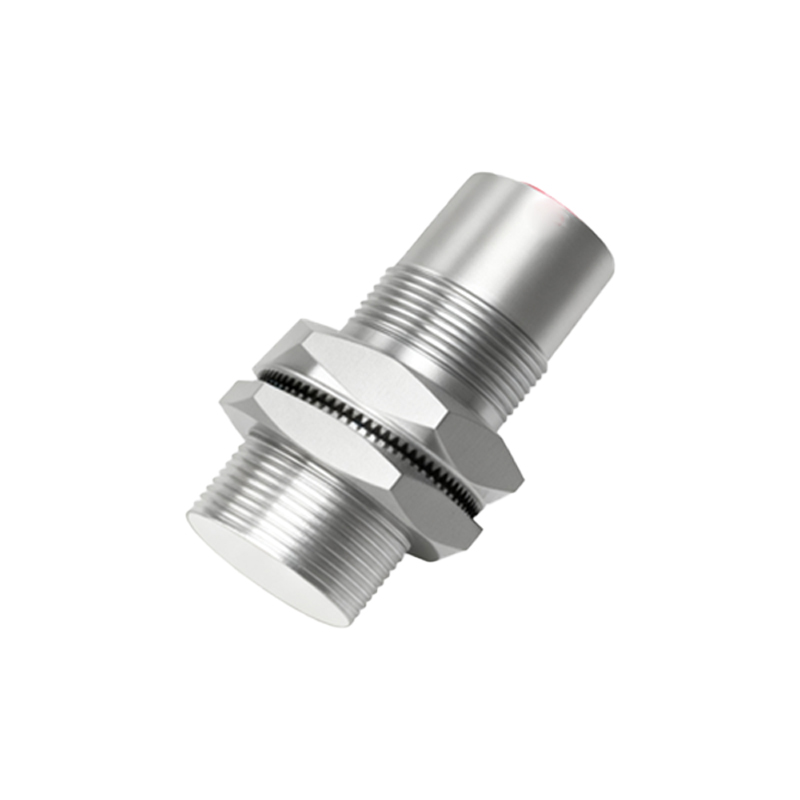
Operational parameters specified by the end-user create further cost differentiation. Required sensing distance, response frequency, output type (PNP/NPN, analog IO-Link, or Namur), and housing size (e.g., M8, M12, M30) all influence the final design. A sensor rated for 250°C with a 15mm sensing distance and IO-Link diagnostics will command a higher price than a basic 150°C model with a simple switch output. Additionally, customization for specific mounting geometries or with special cable lengths and jackets creates non-recurring engineering (NRE) charges that affect initial project costs.
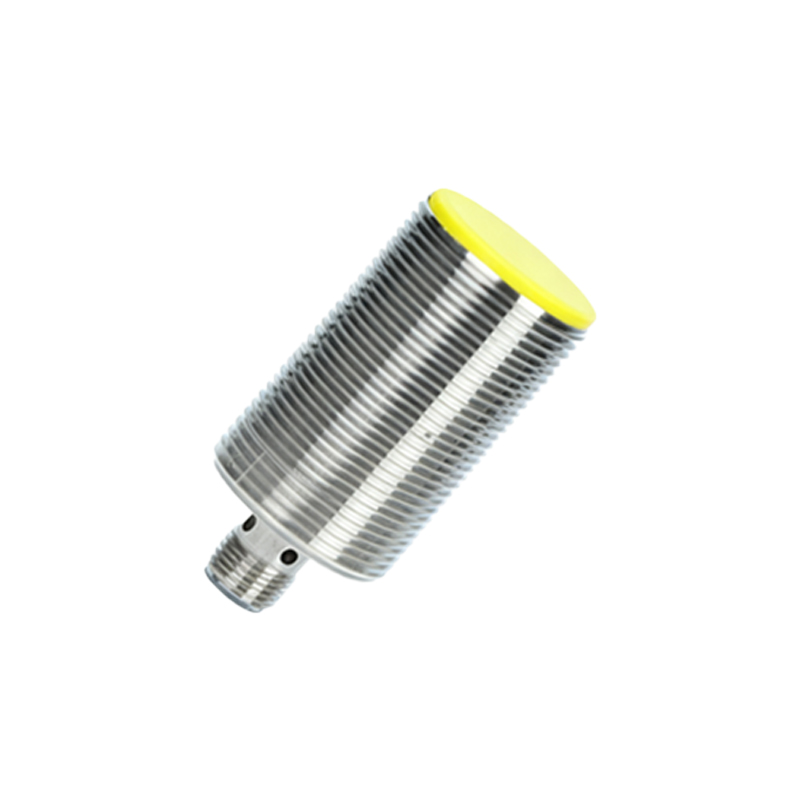
From a total cost of ownership (TCO) perspective, the initial purchase price is only one component. A premium high-temperature sensor from a reputable manufacturer, though more expensive upfront, typically offers far greater mean time between failures (MTBF), reducing costly unplanned downtime, production losses, and replacement labor in hard-to-access locations. The cost of a single production halt in a continuous glass line or metal forging operation can dwarf the price difference between an average and a superior sensor. Therefore, evaluating cost per reliable operating hour, rather than just unit price, is the hallmark of sound procurement in this field.
Market dynamics and supply chain considerations also play a role. The availability of specialized raw materials, geopolitical factors affecting semiconductor chips, and the level of competition in specific sensor niches (e.g., ultra-high-temp >400°C) influence pricing. Typically, sensors are offered in tiers: standard high-temperature ranges (up to 200°C), extended range (200-300°C), and ultra-high-temperature (300°C+), with prices escalating accordingly.
In conclusion, the cost of a high-temperature proximity sensor is a direct reflection of its engineered resilience, material quality, and proven reliability in punishing conditions. Procurement specialists and engineers are advised to conduct a thorough technical evaluation against their specific application requirements—maximum ambient temperature, target material, required lifespan, and environmental contaminants. Partnering with sensor manufacturers early in the machine design phase can often optimize both performance and cost, ensuring the selected sensor delivers not just a signal, but also long-term operational stability and a favorable return on investment in the face of intense heat.