In the realm of industrial automation, the reliable detection of objects without physical contact is a cornerstone of efficiency and safety. Among the diverse array of sensing technologies, the standard rectangular proximity sensor stands out for its robustness, versatility, and widespread adoption. This article delves into the technical principles, key features, selection criteria, and typical applications of these ubiquitous industrial components.
At its core, a standard rectangular proximity sensor operates on the principle of electromagnetic induction or, in the case of capacitive variants, changes in an electrostatic field. The most common type is the inductive proximity sensor. It contains a coil that is energized by an oscillator to generate a high-frequency electromagnetic field at its active face. When a metallic object (the "target") enters this field, eddy currents are induced within the target, causing a load on the oscillator. This change is detected by the sensor's circuitry, which subsequently switches the state of its solid-state output (typically PNP or NPN). This non-contact switching is the fundamental action behind countless automated processes.
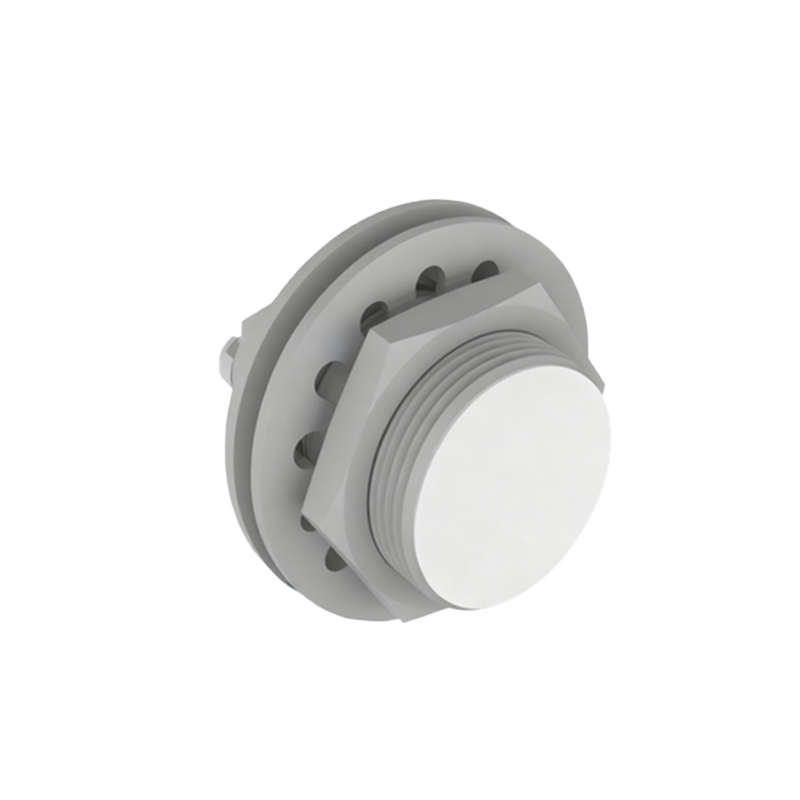
The defining characteristic of the "standard rectangular" form factor is its housing—a durable, often metallic or high-grade polymer enclosure with a rectangular cross-section. This shape offers distinct advantages. It provides a large, flat surface for secure mounting via integrated brackets or threaded holes, ensuring stability and precise alignment. The housing is designed to meet stringent Ingress Protection (IP) ratings, commonly IP67 or IP69K, making it resistant to dust, water jets, and washdowns common in harsh industrial environments like food processing or automotive manufacturing. This rugged construction shields the internal electronics from vibration, mechanical shock, and electromagnetic interference (EMI).
Key specifications define a sensor's suitability for an application. The sensing distance, or "rated operating distance (Sn)," is a critical parameter. For inductive rectangular sensors, this typically ranges from a few millimeters to several centimeters, depending on the sensor size and target material (steel, aluminum, brass, etc.). It is crucial to note that the effective sensing distance can be reduced for non-ferrous metals. Another vital specification is the output configuration. Two-wire AC/DC, three-wire DC (PNP or NPN), and four-wire versions (with both NO and NC outputs) are available, allowing for direct integration into various control systems like PLCs. The switching frequency, indicating how many on/off cycles per second the sensor can handle, determines its suitability for high-speed applications. Additionally, many modern rectangular sensors feature LED status indicators for operational diagnostics.
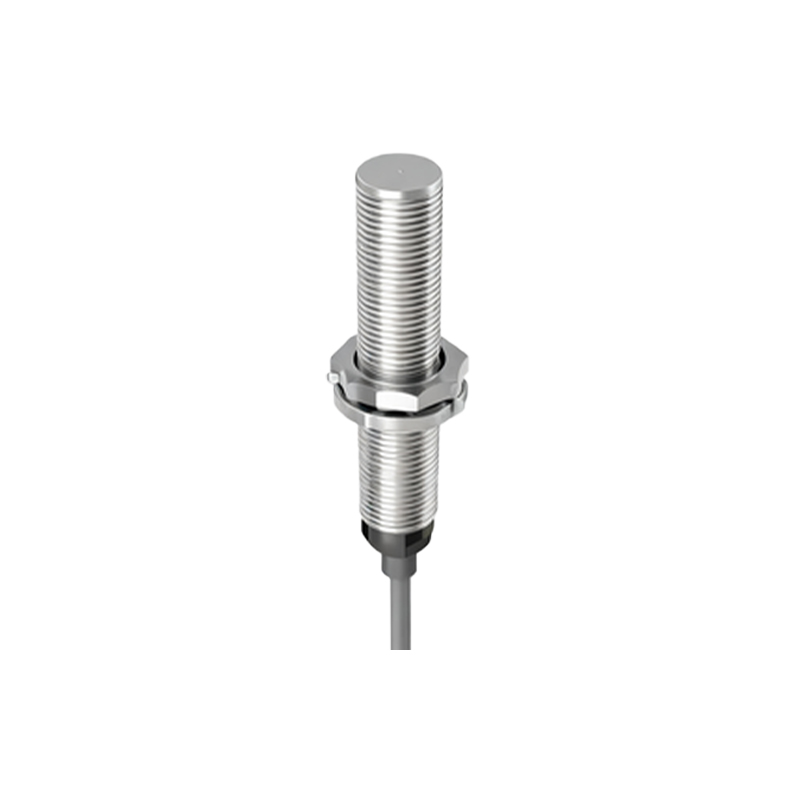
Selecting the appropriate rectangular proximity sensor requires a systematic approach. Engineers must first define the application's objective: What is the target material (ferrous, non-ferrous, or other)? What is the required sensing distance? What are the environmental conditions (temperature, presence of coolants, oils, or particulates)? The electrical requirements of the control system—operating voltage (10-30V DC, 20-250V AC) and required output type—must be matched. Physical constraints, such as available mounting space and the need for flush or non-flush mounting capability, also play a decisive role. For non-flush mountable sensors, the sensing range is greater, but they require clearance around the active face.
The applications for standard rectangular proximity sensors are virtually limitless across industrial sectors. In material handling, they detect the presence of pallets, boxes, or products on conveyor belts. In machine tools, they serve as end-position limit switches for slides, arms, or doors, verifying that a component has reached its intended location. They are integral to automated assembly lines for part verification and counting. In packaging machinery, they ensure the correct positioning of bottles or containers before filling or capping. Their robust design makes them ideal for heavy-duty applications in steel mills or foundries, where they monitor the position of rollers, cranes, or transfer cars.
In conclusion, the standard rectangular proximity sensor is a mature, highly reliable, and indispensable technology in industrial automation. Its simple yet effective operating principle, combined with a rugged and versatile physical design, provides a robust solution for object detection challenges. By carefully considering factors such as target material, sensing range, environmental ratings, and electrical interface, engineers can leverage these sensors to enhance system reliability, optimize production speed, and ensure operational safety. As a foundational element of the industrial Internet of Things (IIoT), these sensors continue to evolve, with newer models offering advanced diagnostics and IO-Link communication for smarter, more connected factories.