In the demanding world of industrial automation and machinery, the integrity of every component is paramount. Among these, proximity sensors play a critical role in non-contact detection, position sensing, and process control. However, a persistent and often underestimated threat to their reliable operation is mechanical loosening. Vibration, thermal cycling, and mechanical shock inherent to industrial environments can gradually compromise sensor mounting, leading to misalignment, signal failure, and costly unplanned downtime. Implementing effective anti-loosening strategies is not merely a maintenance task; it is a fundamental requirement for ensuring system robustness and operational continuity.
The consequences of a loosened proximity sensor are far-reaching. Even a minor shift in position can alter the sensing field, causing false triggers or missed detections. In precision assembly lines, this could result in defective products. In safety-critical applications, such as robotic cell guarding or machine tool positioning, a failure could lead to equipment damage or pose serious safety hazards. The root causes are typically environmental. High-frequency vibration from motors, pumps, or conveyors transmits through machine structures, creating forces that can overcome the friction holding a standard nut and bolt. Thermal expansion and contraction from operational heat cycles can similarly work fasteners loose over time. Furthermore, impact loads or stress from cabling can impart rotational forces on the sensor housing itself.
Addressing this challenge requires a systematic approach, starting with the selection of the correct hardware. The first line of defense is the use of mechanical locking fasteners. Prevailing torque nuts, such as nylon-insert locknuts or all-metal deformed thread locknuts, provide consistent resistance to rotation. Serrated flange nuts offer another robust solution, where the serrations bite into the mounting surface, preventing rotation. For sensors mounted with bolts into tapped holes, thread-locking adhesives, commonly known as threadlockers, are highly effective. These liquid resins, available in varying strengths (from removable to permanent), cure in the absence of air between tightly fitted metal threads, creating a secure bond that resists vibration. It is crucial to select the appropriate strength to allow for future maintenance if required.
Beyond fasteners, the sensor design and mounting methodology are equally important. Many modern proximity sensors incorporate integrated anti-rotation features. These may include a flat surface on the housing that aligns with a matching feature on the mounting bracket, a dedicated locking screw that clamps the sensor body after adjustment, or a housing shape that physically prevents rotation. Utilizing properly designed mounting brackets that offer a stable, flat surface is essential. Brackets should be rigid enough to resist flexing, which can amplify loosening forces. In high-vibration zones, consider using vibration-damping mounts or isolators between the machine structure and the sensor bracket to attenuate harmful frequencies before they reach the sensor.
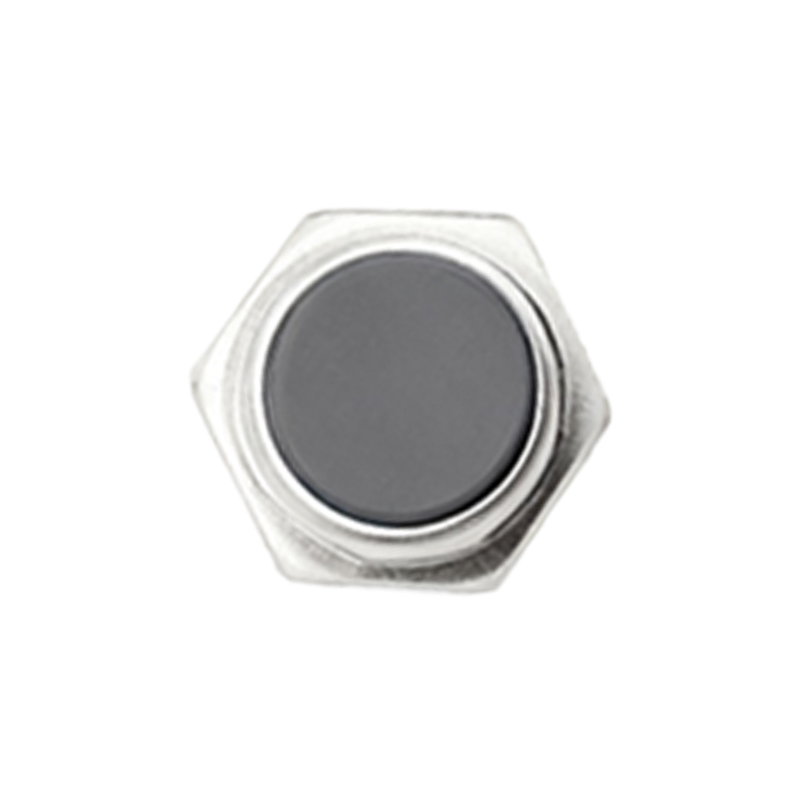
Installation practices dictate long-term performance. Ensuring threads are clean, dry, and free of oil is vital for both mechanical locknuts and threadlocking adhesives to function as intended. Following the manufacturer's specified torque values during installation is non-negotiable. Under-torquing fails to generate sufficient clamping force, while over-torquing can strip threads or damage sensor housings, compromising the very integrity the process seeks to ensure. A calibrated torque wrench should be standard practice. For sensors requiring precise alignment, a two-step process is recommended: secure the sensor with the proper anti-loosening fastener, then perform final alignment before fully tightening any secondary locking mechanisms.
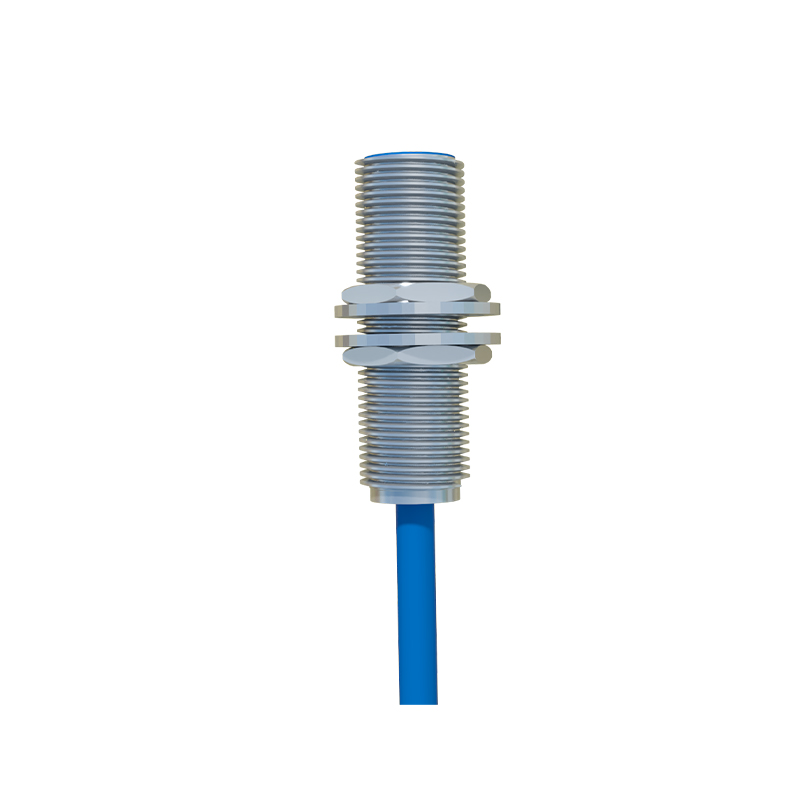
A comprehensive strategy also involves proactive maintenance. Incorporating sensor mounting points into routine preventive maintenance inspections allows for early detection of potential loosening. Visual checks for paint marks or alignment indicators, along with periodic verification of tightness with a torque wrench (where applicable), can identify issues before they cause a failure. Keeping a log of installation dates and torque values provides valuable historical data for predicting maintenance intervals. For critical applications, wireless condition monitoring sensors that can detect vibration or positional changes are emerging as a predictive maintenance tool, offering alerts long before a traditional failure occurs.
In conclusion, securing proximity sensors against loosening is a multi-faceted engineering discipline essential for modern industrial reliability. It combines the science of selecting specialized hardware—locknuts, threadlockers, and designed-in features—with the art of meticulous installation and sustained preventive maintenance. By viewing anti-loosening not as an afterthought but as an integral part of the design and upkeep process, engineers and maintenance professionals can significantly enhance system uptime, protect capital investments, and ensure the safe, precise, and reliable operation that automated processes demand. The goal is to make the sensor's mounting as reliable and maintenance-free as the sensing technology itself.
