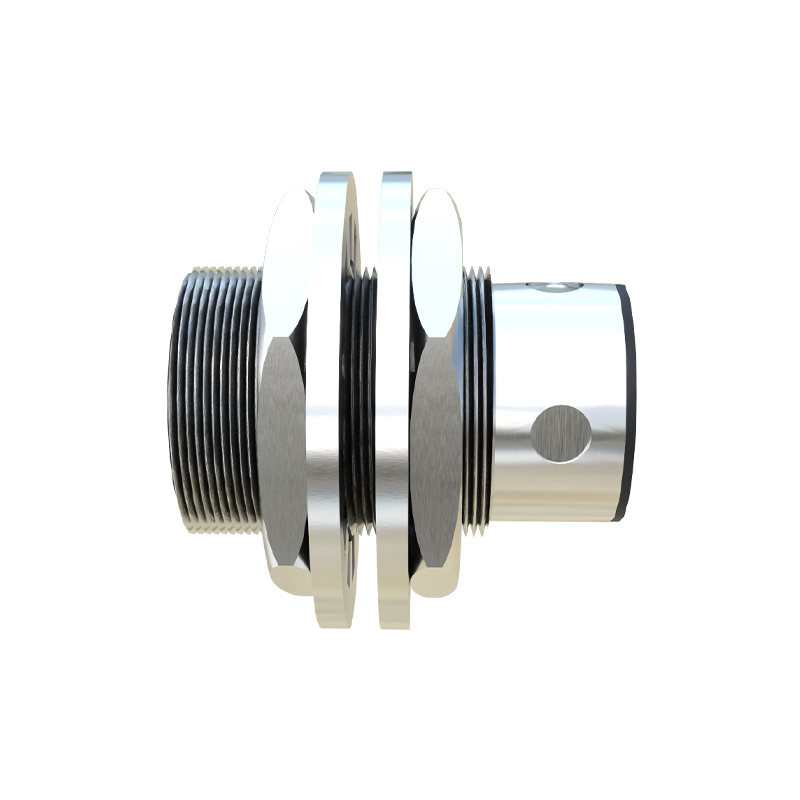
Selecting the appropriate proximity sensor model is a critical decision in industrial automation, machinery design, and process control. The wrong choice can lead to system failures, production downtime, and increased costs. This guide provides a structured, practical approach for engineers to navigate the key parameters and make an informed selection.
The first and most fundamental step is defining the application's core requirements. What is the primary function? Is it for precise object detection, counting, position verification, or end-of-travel limit sensing? The answer dictates the sensor type. The primary categories are Inductive, Capacitive, Ultrasonic, and Photoelectric sensors. Inductive sensors detect metallic objects (ferrous and non-ferrous) and are ideal for harsh industrial environments with oil, dust, or coolant. Capacitive sensors can detect nearly any material, including liquids, powders, plastics, and wood, making them suitable for level detection or non-metallic object sensing. Ultrasonic sensors use sound waves to measure distance or detect objects, excelling in applications requiring longer ranges or where the target's material is inconsistent. Photoelectric sensors use light beams and are excellent for long-range detection and sensing small or transparent objects, but they can be affected by ambient light and dirty environments.
Once the technology is chosen, the next crucial parameter is the sensing distance, or "rated operating distance (Sn)." This is the nominal detection range under standardized conditions. A common mistake is selecting a sensor with the exact theoretical distance needed. Always incorporate a safety margin, typically applying a derating factor of 0.6 to 0.8. For example, if you need to detect an object 10mm away, choose a sensor with a rated distance of 12-15mm. This accounts for temperature fluctuations, voltage variations, target material differences, and sensor aging. Consider the target's shape, size, and material. For inductive sensors, a larger target or one made of mild steel will increase the effective sensing distance compared to a small target of stainless steel or aluminum. The sensor's form factor is equally important. Cylindrical threaded barrels (e.g., M8, M12, M18, M30) are common for inductive and capacitive types. Rectangular or block-style housings offer more mounting flexibility. The housing material, typically nickel-plated brass, stainless steel, or PBT plastic, must be compatible with the environmental conditions, including exposure to chemicals, washdowns, or extreme temperatures.
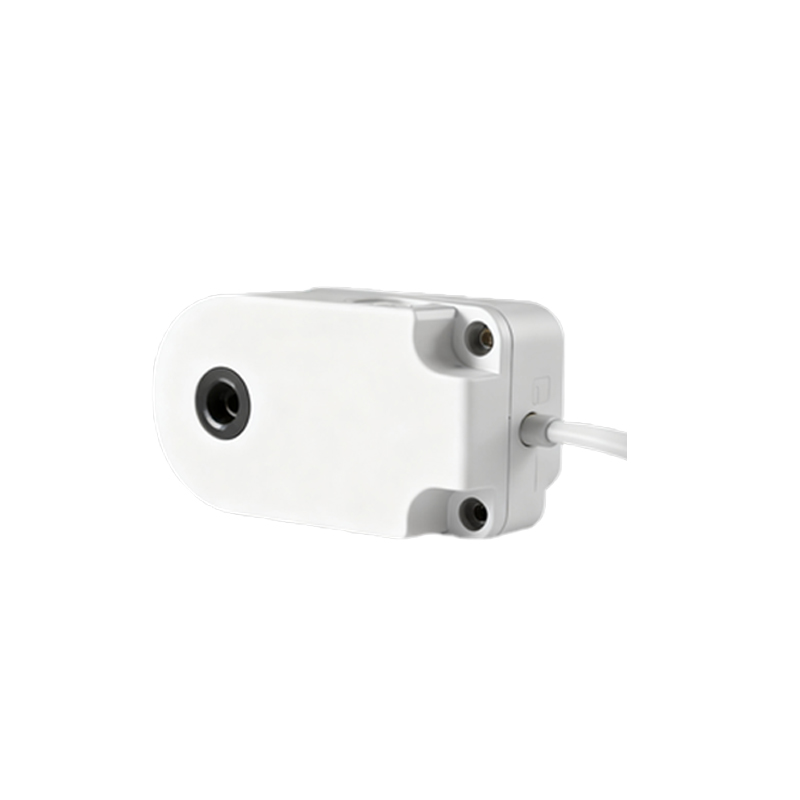
The electrical characteristics must match your control system. First, determine the required output type: Discrete (Digital) or Analog. Discrete outputs are either PNP (sourcing) or NPN (sinking). PNP is more common in Europe and outputs a positive voltage when activated, while NNP is common in Asia and sinks current to ground. Ensure compatibility with your PLC input card. Analog outputs (4-20mA or 0-10V) provide a continuous signal proportional to distance, used for positioning or measuring. The operating voltage range (e.g., 10-30V DC) must be within your power supply's specifications. Don't overlook the connection method: pre-wired cables, quick-disconnect connectors, or terminal blocks. Connectors offer easier replacement and maintenance.
The installation environment imposes stringent demands. For harsh conditions, the Ingress Protection (IP) rating is paramount. A rating of IP67 signifies protection against dust ingress and temporary immersion in water, which is standard for most industrial floors. IP68 and IP69K ratings are needed for permanent submersion or high-pressure, high-temperature washdowns, common in food and beverage or pharmaceutical applications. Temperature ranges, both ambient and for the target object, must be considered. Extreme heat near ovens or cold in freezers requires sensors with extended temperature specifications. Finally, consider special features. Some sensors have built-in timers (on-delay, off-delay), short-circuit protection, or diagnostics via IO-Link. IO-Link is becoming a game-changer, allowing for parameter adjustment, condition monitoring, and detailed diagnostic data directly from the sensor to the control system, simplifying setup and predictive maintenance.
In conclusion, sensor selection is not about finding the "best" sensor, but the most suitable one for the specific task. A methodical approach—starting with application and technology, then meticulously evaluating sensing distance, form factor, electrical specs, and environmental robustness—will lead to a reliable and cost-effective solution. Always consult the manufacturer's datasheets, as they contain the precise derating curves and conditional specifications. Prototyping and testing in the actual or simulated environment before full-scale deployment is the final, highly recommended step to validate your choice.