In the realm of precision measurement and sensing technology, circular laser sensors have emerged as a cornerstone for a multitude of industrial and scientific applications. Unlike traditional linear or point-based laser systems, these sensors utilize a ring-shaped or circular laser beam profile to perform non-contact measurements with exceptional accuracy and reliability. The fundamental principle often involves projecting a concentric ring of laser light onto a target surface. Deformations, displacements, or changes in the surface profile cause measurable distortions in the reflected ring pattern. Advanced optical receivers and sophisticated algorithms then analyze these distortions to calculate parameters such as distance, thickness, vibration, or contour with micron-level precision.
The core technology enabling these devices frequently relies on laser triangulation or interferometric principles adapted to a circular geometry. In a typical setup, a laser diode emits a beam that passes through a specialized conical lens or diffractive optical element, transforming it into a hollow, conical beam. When this beam intersects with a surface, it forms a bright circle. A high-resolution camera or a ring of photodetectors captures the image or position of this circle. Any variation in the distance to the target surface alters the diameter of the observed circle. By precisely calibrating the system, these diameter changes are converted into highly accurate distance measurements. This method offers a significant advantage: it averages measurements over the entire circumference of the circle, making it inherently resistant to errors caused by surface irregularities, minor scratches, or localized imperfections that could skew a single-point measurement.
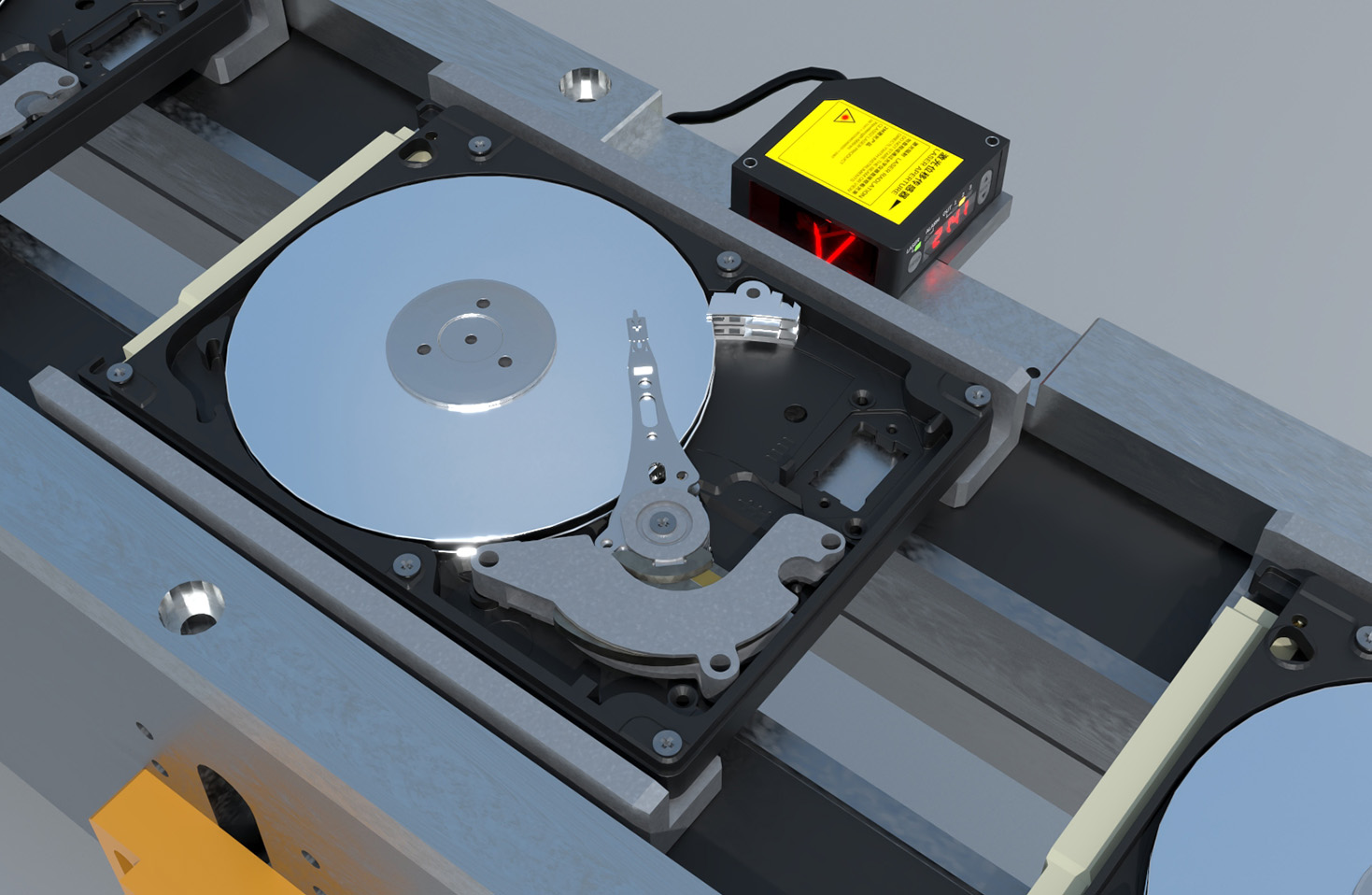
The applications for circular laser sensors are vast and span numerous industries. In automotive manufacturing, they are indispensable for measuring the gap and flushness between body panels, ensuring perfect alignment and high build quality. The semiconductor industry employs them for wafer thickness monitoring and warpage detection during fabrication processes. In precision machining, these sensors verify the concentricity and roundness of cylindrical components like bearings, pistons, and shafts. Furthermore, they play a critical role in robotics for seam tracking in welding applications and for precise robot guidance and positioning. Their non-contact nature makes them ideal for measuring delicate, hot, or moving objects without inducing wear or affecting the target's properties.
When compared to other sensor types, circular laser sensors offer distinct benefits. Capacitive or inductive sensors require proximity to the target and are sensitive to material composition. Contact probes, like those on coordinate measuring machines (CMMs), can deform soft materials and operate slowly. In contrast, circular laser sensors provide rapid, non-contact measurements independent of the target material's color, conductivity, or magnetic properties, although highly reflective or transparent surfaces may require special treatment or coatings. Their primary limitations often relate to environmental factors such as ambient light interference, although modern models incorporate narrow-band filters and modulated laser sources to mitigate this. The initial cost can be higher than simpler sensors, but the return on investment through improved quality control, reduced scrap, and faster production cycles is substantial.
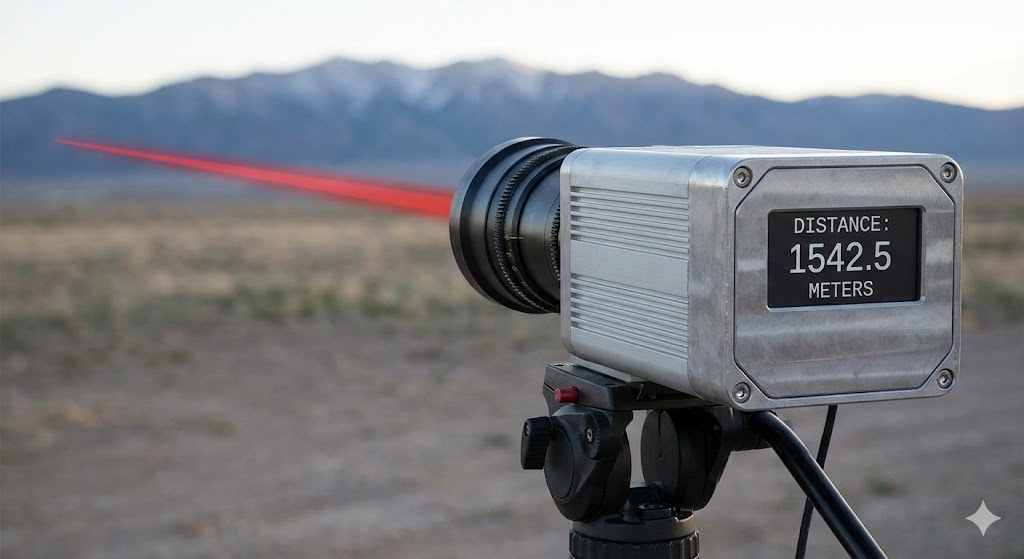
Looking toward the future, the evolution of circular laser sensors is tightly coupled with advancements in complementary fields. The integration of artificial intelligence and machine learning for real-time data analysis promises smarter sensors capable of predictive maintenance and adaptive calibration. Miniaturization of optical components will lead to more compact sensor heads, enabling integration into tighter spaces on assembly lines. Enhanced communication protocols, such as IO-Link and integration with Industrial Internet of Things (IIoT) platforms, will facilitate seamless data flow for Industry 4.0 smart factories. Researchers are also exploring new laser wavelengths and multi-spectral approaches to tackle challenging materials like clear glass or highly polished metals.
In conclusion, circular laser sensors represent a sophisticated and versatile solution for high-precision metrology. By leveraging a ring-shaped beam to average measurements and overcome surface defects, they deliver reliable data critical for modern manufacturing and research. As technology progresses, these sensors will become even more intelligent, connected, and capable, solidifying their role as an essential tool for ensuring quality, efficiency, and innovation across countless applications. Their ability to provide accurate, non-contact measurements at high speeds makes them not just a tool for today's challenges but a foundational technology for the automated and data-driven industries of tomorrow.