In the realm of industrial automation and control, the ability to detect the presence or absence of an object without physical contact is paramount. Among the various non-contact sensing technologies, inductive proximity sensors stand out for their robustness, reliability, and precision in metallic object detection. This article delves into the operational principles, key characteristics, diverse applications, and critical selection criteria for these ubiquitous sensors.
The fundamental principle behind an inductive proximity sensor is electromagnetic induction. The core component is a coil wound around a ferrite core, which forms part of an oscillator circuit. When an alternating current is applied, it generates a high-frequency electromagnetic field at the active face of the sensor. When a conductive metal object enters this oscillating field, eddy currents are induced on the surface of the target. These eddy currents draw energy from the oscillator, resulting in a reduction of its oscillation amplitude. This amplitude change is detected by a threshold circuit, which subsequently triggers a solid-state output switch (typically PNP or NPN). The sensor thus provides a discrete signal indicating the object's presence.
Key performance specifications define an inductive sensor's capability. The sensing distance, or nominal range (Sn), is a critical parameter, typically ranging from a few millimeters to several centimeters. It's important to note that this rated distance is defined for a standard target (usually mild steel). The actual sensing range can vary significantly with different metals; for instance, it reduces for stainless steel and is even shorter for non-ferrous metals like aluminum or copper. This factor is expressed as a reduction factor. Another vital characteristic is the switching frequency, which denotes how many on/off cycles the sensor can perform per second, crucial for high-speed applications. Environmental ratings, notably the Ingress Protection (IP) code (e.g., IP67, IP69K) and temperature range, determine the sensor's suitability for harsh conditions involving dust, water, oils, or extreme temperatures.
The applications of inductive proximity sensors are vast and integral to modern manufacturing. They are extensively used for position verification—confirming if a part is correctly seated in a fixture or a robot has reached its end position. In conveyor systems, they count metallic parts, control sorting gates, and detect the end of a roll. Machine tools rely on them for tool breakage detection, turret position sensing, and monitoring spindle orientation. Their sealed, solid-state construction makes them ideal for hydraulic cylinders as end-position sensors. Furthermore, they play a safety role in interlocking guards; detecting if an access door is securely closed before machine operation can commence.
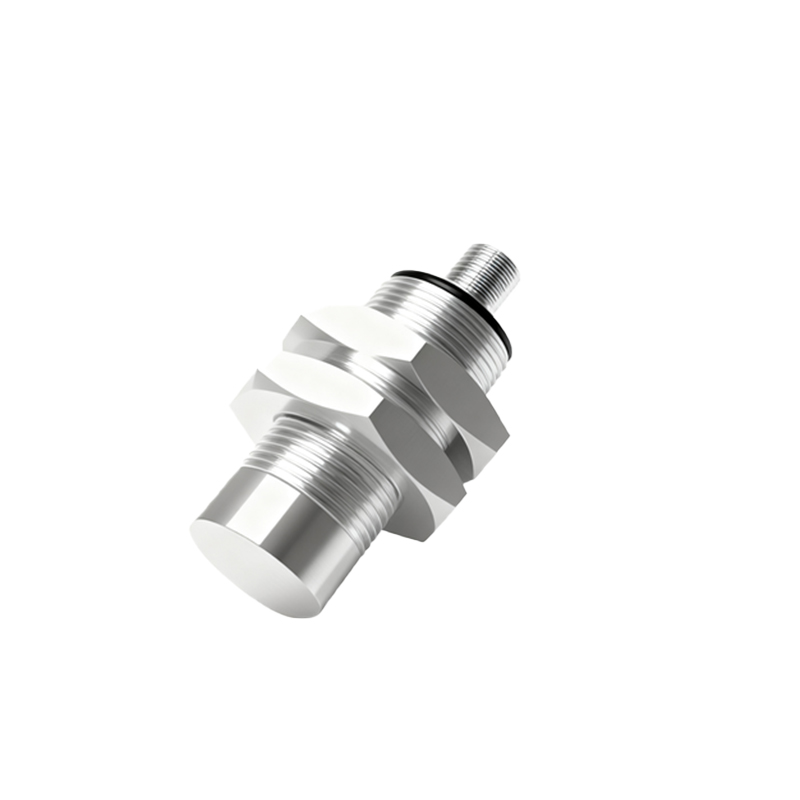
Selecting the right inductive sensor requires careful consideration of several factors beyond just the required sensing distance. First, identify the target material and size. For non-standard metals, apply the appropriate reduction factor. The housing style is next: cylindrical barrels (M8, M12, M18, M30 threads) are common, but rectangular or ring-shaped housings exist for specific needs. The electrical output must match the control system: 2-wire DC, 3-wire DC (PNP-sourcing or NNP-sinking), or AC versions. Output configuration can be Normally Open (NO) or Normally Closed (NC). The operating voltage range (e.g., 10-30V DC) must be compatible. For challenging environments, a high IP rating, resistance to specific chemicals, or weld-field immunity (resistance to spurious signals from welding currents) may be necessary. Finally, consider special features like analog outputs for distance-proportional signals, or IO-Link capability for smart sensor functionality, enabling parameter setting, diagnostics, and process data exchange in Industry 4.0 setups.
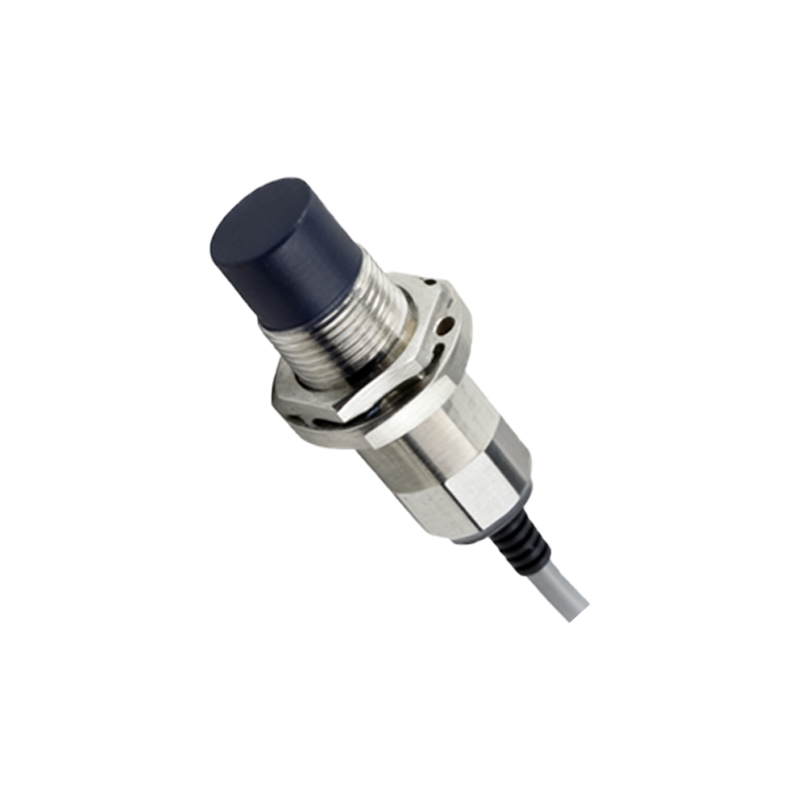
In conclusion, inductive proximity sensors are a cornerstone of industrial sensing. Their contactless operation, high switching speeds, and exceptional durability under demanding conditions make them indispensable. By understanding their working principle and meticulously matching their specifications—sensing characteristics, housing, output, and environmental ratings—to the application's demands, engineers can ensure reliable, maintenance-free operation, enhancing both the efficiency and safety of automated systems. As technology advances, the integration of digital communication protocols like IO-Link is further expanding their role from simple binary switches to intelligent data points within connected industrial ecosystems.