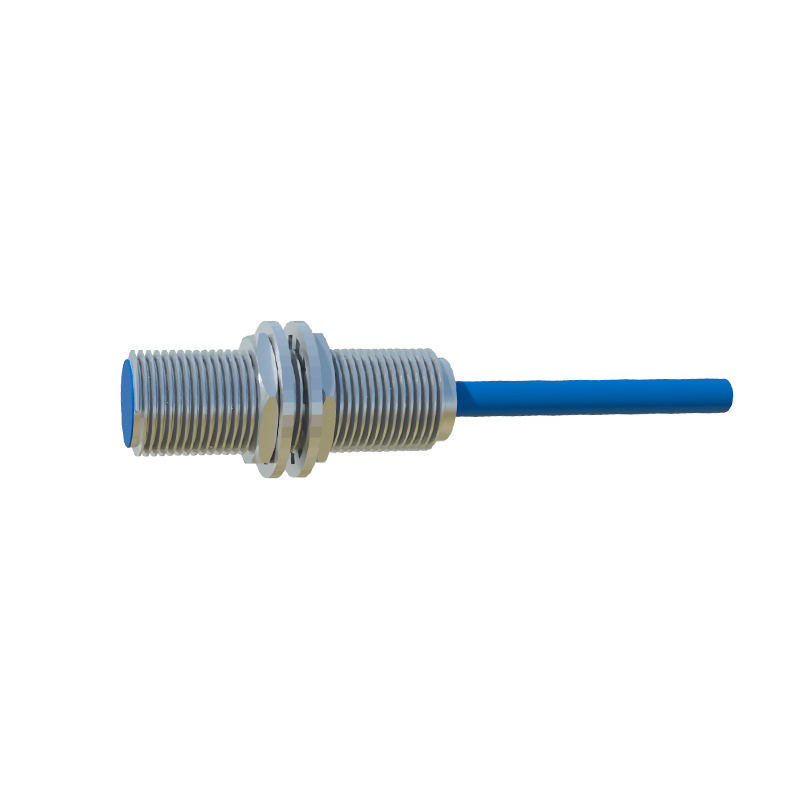
In the realm of industrial automation and control systems, proximity sensors stand as critical components for non-contact object detection. Among these, TL (Through-Lens or Tubular Limit) proximity sensors represent a specific and widely utilized category. This article delves into the technology, operational principles, key applications, and essential selection criteria for TL proximity sensors, providing a comprehensive guide for engineers and system integrators.
At its core, a TL proximity sensor is a self-contained, cylindrical device designed to detect the presence or absence of a metallic or, in some variants, non-metallic target without physical contact. The "TL" designation often refers to its tubular form factor, which is standardized for easy mounting in machined holes or with standard brackets. The fundamental working principle is based on electromagnetic fields or capacitive effects. Inductive TL sensors, the most common type, generate an oscillating electromagnetic field from a coil in the sensing face. When a conductive metal target enters this field, eddy currents are induced, causing a change in the oscillation amplitude. The sensor's internal circuitry detects this change and triggers a solid-state switch, sending a signal to the controller. Capacitive TL sensors operate similarly but respond to a change in capacitance when any material (metal, plastic, liquid, etc.) enters their electrostatic field, making them versatile for various substance detections.
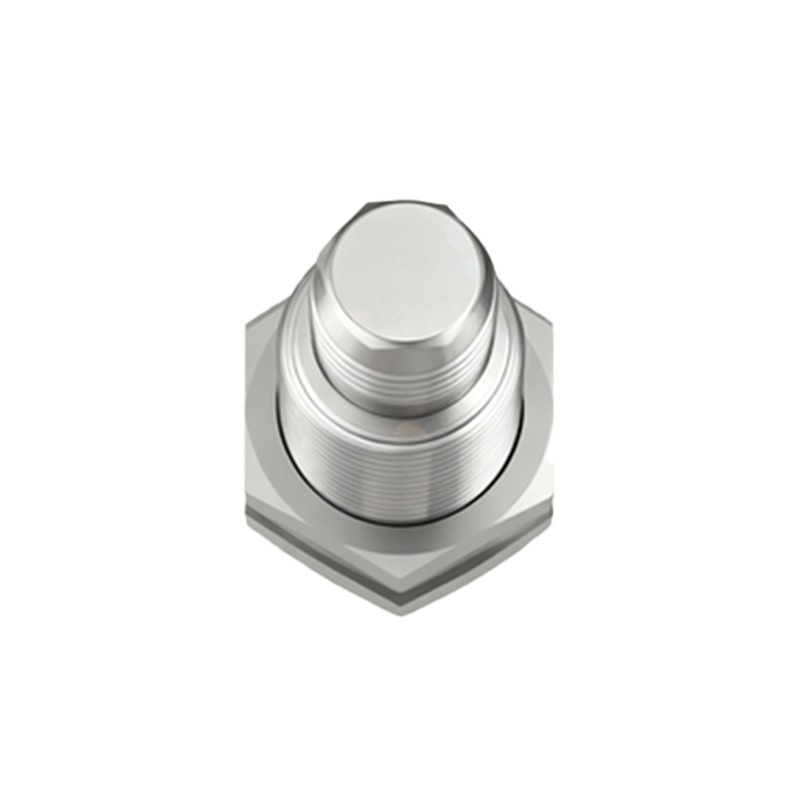
The advantages of TL proximity sensors are numerous. Their non-contact nature ensures no wear and tear on the sensor or target, leading to exceptionally long service life and high reliability. They are capable of high-speed switching, often in the kilohertz range, suitable for fast-moving production lines. Sealed within robust metal or polymer housings, they offer high degrees of protection (commonly IP67 or IP69K) against dust, moisture, oils, and coolants, making them ideal for harsh industrial environments. Furthermore, they are immune to ambient light and, in the case of inductive types, only react to specific materials, reducing false triggers.
TL proximity sensors find applications across virtually every industry. In automotive manufacturing, they are used for part presence verification on assembly lines, robotic arm end-effector positioning, and counting components. In packaging machinery, they detect foil, labels, or product levels. On CNC machine tools, they serve as limit switches for tool positioning and workpiece detection. In material handling, they monitor conveyor belt jams and pallet positioning. Capacitive TL sensors are indispensable in food and beverage or chemical processing for liquid level control in tanks, even through non-metallic container walls.
Selecting the appropriate TL proximity sensor requires careful consideration of several parameters. First, determine the sensing type: inductive for metals or capacitive for universal materials. The sensing distance, or nominal range, is critical and must be chosen with a safety margin (typically 70-80% of nominal) to account for target variations and temperature drifts. The housing material (stainless steel, nickel-plated brass, or PBT plastic) must be compatible with the environmental conditions, including potential chemical exposure. The electrical output type (NPN sinking, PNP sourcing, or analog) must match the input requirements of the programmable logic controller (PLC). Connection styles, such as pre-wired cables, quick-disconnect connectors, or terminal connections, impact installation and maintenance ease. Finally, consider special features like weld-field immunity for sensors near resistance welding equipment, or high-temperature variants for oven applications.
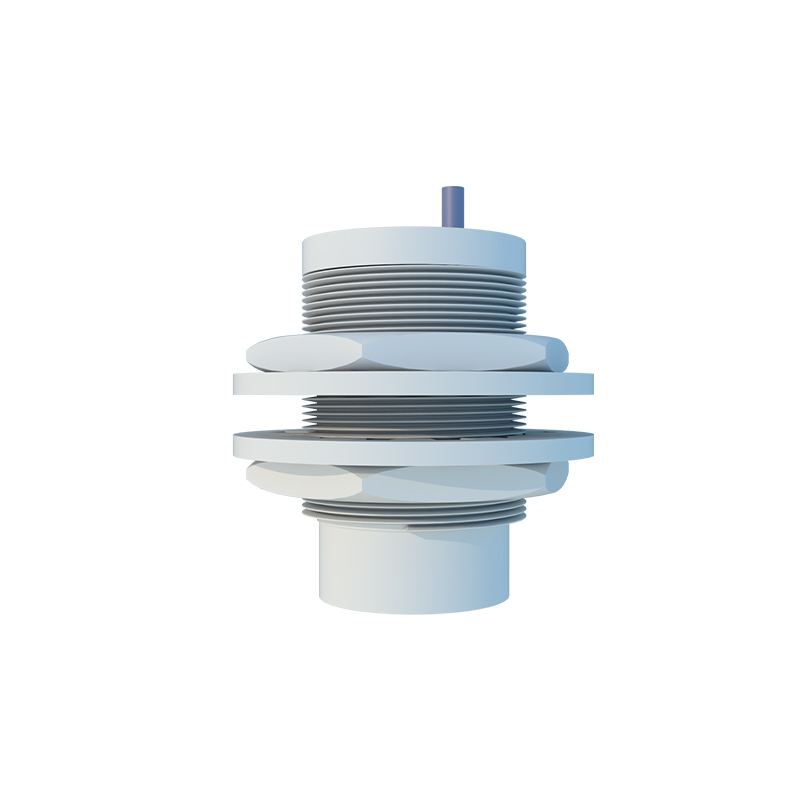
Installation and maintenance are straightforward but crucial for optimal performance. Ensure the sensor is mounted securely without misalignment. For inductive sensors, be mindful of the "flush-mountable" or "non-flush-mountable" designation; non-flush types offer longer ranges but require a lateral clearance from metal mounting surfaces. Regular cleaning of the sensing face from debris and verification of the switching signal during preventive maintenance cycles will ensure continuous, trouble-free operation.
In conclusion, TL proximity sensors are indispensable workhorses in modern industrial automation. Their robust design, reliability, and versatility make them a go-to solution for precise, non-contact detection tasks. By understanding their technology and meticulously applying the selection criteria based on the specific application needs, engineers can significantly enhance system efficiency, safety, and uptime. As Industry 4.0 and smart manufacturing evolve, these sensors continue to be foundational elements in building responsive and intelligent automated systems.