In the realm of industrial automation, reliable and durable sensing solutions are paramount. Among the various technologies available, magnetic inductive proximity switches stand out for their robustness, non-contact operation, and exceptional performance in harsh environments. Unlike their capacitive or photoelectric counterparts, these sensors excel in detecting ferromagnetic metals—primarily iron and steel—through the principle of electromagnetic induction, making them indispensable in countless manufacturing, material handling, and machinery applications.
The core operating principle is elegantly simple yet highly effective. The sensor contains an oscillator circuit that generates a high-frequency electromagnetic field at its active face. When a ferromagnetic target enters this field, eddy currents are induced within the target material. These eddy currents draw energy from the oscillator, causing a measurable drop in its amplitude. An integrated evaluation circuit detects this amplitude reduction and triggers a solid-state switching output, typically in the form of a PNP (sourcing) or NPN (sinking) signal. This entire process occurs without any physical contact, eliminating mechanical wear and ensuring a long operational life. A key characteristic is the "switching distance," which is a standardized nominal value (Sn). It's crucial to note that the effective operating distance can be influenced by factors such as target material, size, shape, and installation conditions.
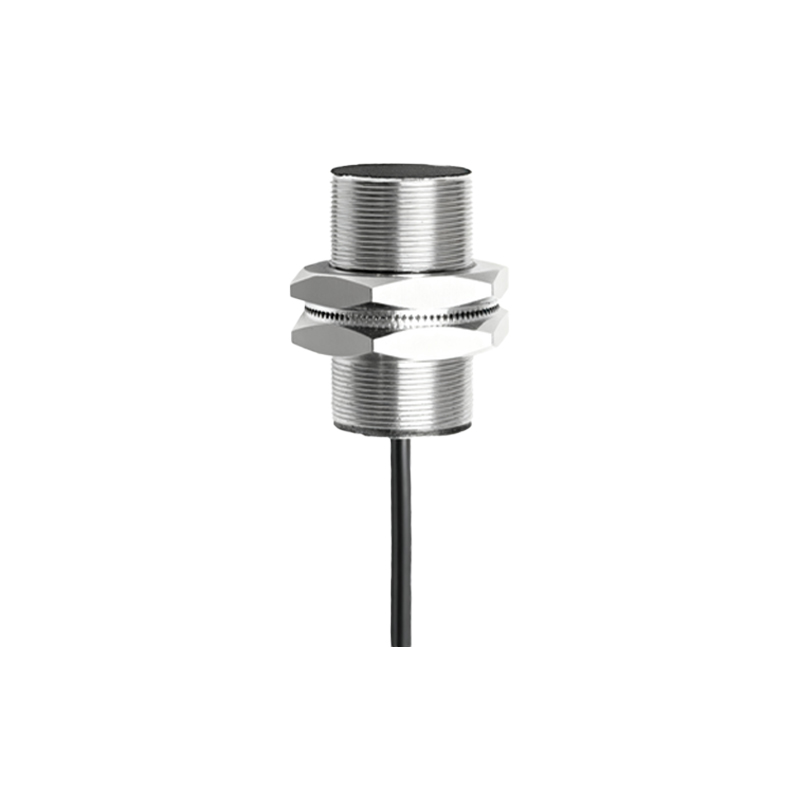
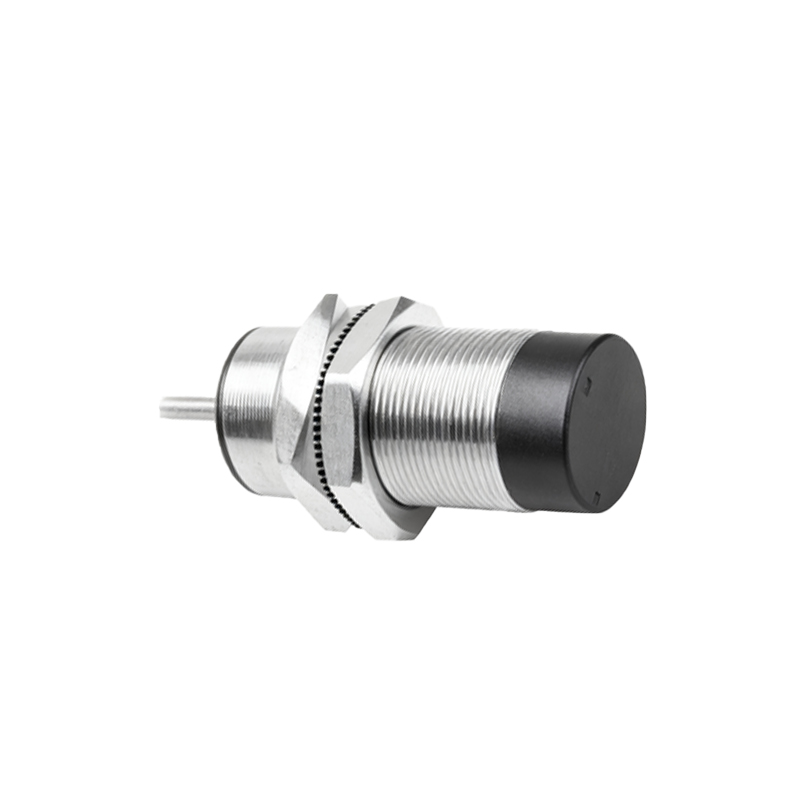
The advantages of magnetic inductive proximity sensors are numerous. Their hermetically sealed housing, often made of nickel-plated brass, stainless steel, or PBT plastic, provides high resistance to dust, dirt, moisture, oils, and coolants. They are inherently immune to ambient light and acoustic noise. With no moving parts, they offer virtually infinite mechanical life and can operate at high switching frequencies. Furthermore, they are relatively insensitive to surface conditions like dirt or minor coatings on the target, ensuring stable operation. Common output configurations include DC 3-wire, AC 2-wire, and analog (4-20 mA or 0-10V) versions, along with normally open (NO) or normally closed (NC) logic.
Applications for these sensors are vast and varied. They are routinely used for:
Position Detection: Verifying the presence or end position of cylinders, slides, clamps, and machine guards.
Speed Monitoring: Counting gear teeth, detecting rotor blades, or measuring rotational speed on ferrous parts.
Object Counting: Tracking parts on conveyors, such as metal cans, automotive components, or machined pieces.
Limit Switching: Providing non-contact end-of-travel signals in place of mechanical limit switches.
Safety Interlocks: Ensuring protective doors or covers are securely closed before machine operation.
Selecting the right sensor requires careful consideration of several parameters:
1. Sensing Distance: Choose a sensor with a nominal switching distance (Sn) that accommodates the application's mechanical tolerances, typically using 70-80% of Sn for reliable operation.
2. Target Material: Standard sensors are optimized for mild steel. For other metals like stainless steel, aluminum, or copper, the effective sensing distance is reduced, and a correction factor must be applied. Special versions are available for non-ferrous metal detection.
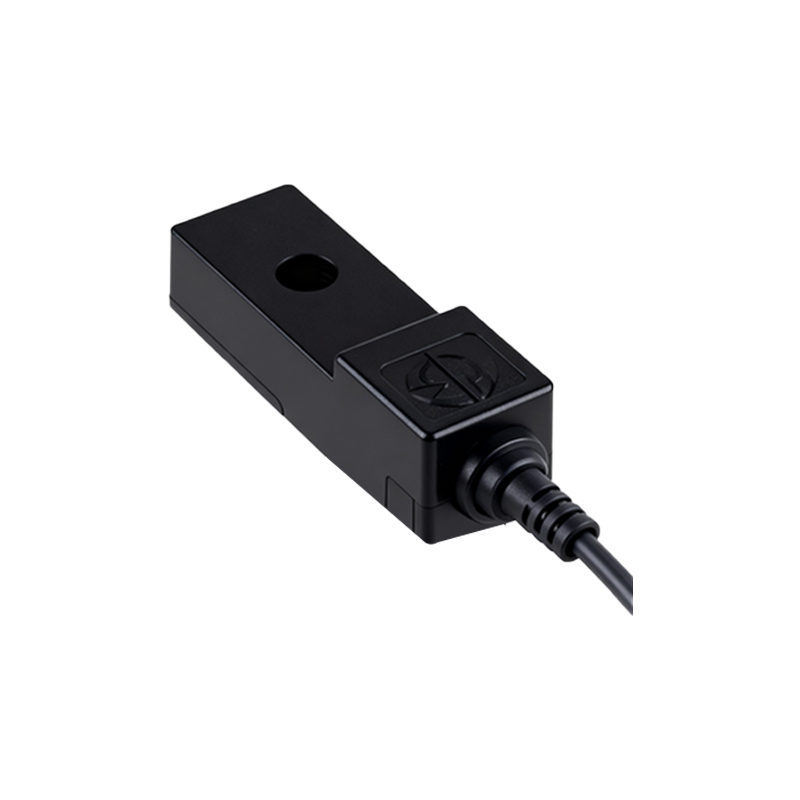
3. Housing Style: Cylindrical (e.g., M8, M12, M18, M30 barrels) or rectangular/block styles. The choice depends on available mounting space and required ruggedness.
4. Electrical Specifications: Supply voltage (e.g., 10-30V DC, 20-250V AC), output type (PNP/NPN, NO/NC), and current rating must match the control system's input module (PLC, relay).
5. Environmental Rating: Ingress Protection (IP) ratings like IP67 or IP69K are critical for washdown or outdoor applications. Temperature range and resistance to specific chemicals should also be verified.
6. Output Indication: Many models feature an LED status indicator for easy diagnostics and commissioning.
Installation is straightforward but demands attention to detail. Sensors should be mounted securely to prevent vibration-induced failure. It is essential to maintain the recommended lateral and axial clearance from surrounding metal (the "non-flush" or "flush-mountable" characteristic) to avoid false triggering. Proper shielding and routing of cables away from power lines minimize electrical interference.
In conclusion, magnetic inductive proximity switches are a cornerstone of modern industrial sensing. Their simplicity, resilience, and cost-effectiveness make them the first choice for detecting ferrous metals in demanding conditions. By understanding their operating principles, key benefits, and selection criteria, engineers and technicians can deploy these sensors to enhance machine reliability, optimize processes, and reduce maintenance downtime across a wide spectrum of automated systems.
SEO描述