In the realm of industrial automation and machine control, proximity switch sensors are indispensable components for non-contact object detection. Among the diverse configurations available, the 3-wire PNP normally closed (NC) sensor with a 20mm sensing distance represents a common and highly practical choice for many engineers and system integrators. This article delves into the technical specifications, operating principles, wiring methodologies, and typical application scenarios for this specific sensor type, providing a comprehensive guide for professionals in the electrical and automation fields.
A proximity sensor is a device that detects the presence or absence of an object within its sensing range without physical contact. The 3-wire PNP normally closed 20mm variant refers to a sensor with three electrical connections, utilizing PNP switching logic, featuring a normally closed output state in its resting condition, and capable of detecting metallic (typically ferrous) targets at a nominal distance of up to 20 millimeters. The "20mm" denotes the rated operating distance (Sn), a critical parameter defined by international standards like IEC 60947-5-2. It is crucial to note that this is a theoretical value under ideal conditions; factors such as target material, size, shape, and environmental conditions can affect the actual sensing distance. A reduction factor, often around 0.5 for mild steel, is applied for non-ferrous metals, necessitating careful selection based on the application's target.
The "PNP" designation describes the transistor output type. In a PNP sensor, the output wire switches the positive voltage supply. Internally, the sensor's circuitry connects the output terminal to the positive supply voltage when an object is detected. For a normally closed (NC) configuration, the output circuit is initially closed, allowing current to flow from the positive supply, through the sensor's output transistor, to the load (e.g., a PLC input, relay coil). When a target enters the sensing field, the output circuit opens, stopping the current flow. This behavior is the inverse of a normally open (NO) sensor. The choice between NC and NO depends on the safety and logic requirements of the control circuit. NC configurations are often preferred for fail-safe applications because a wire break or power loss mimics the "target present" state (open circuit), which can be programmed to trigger a safe machine shutdown.
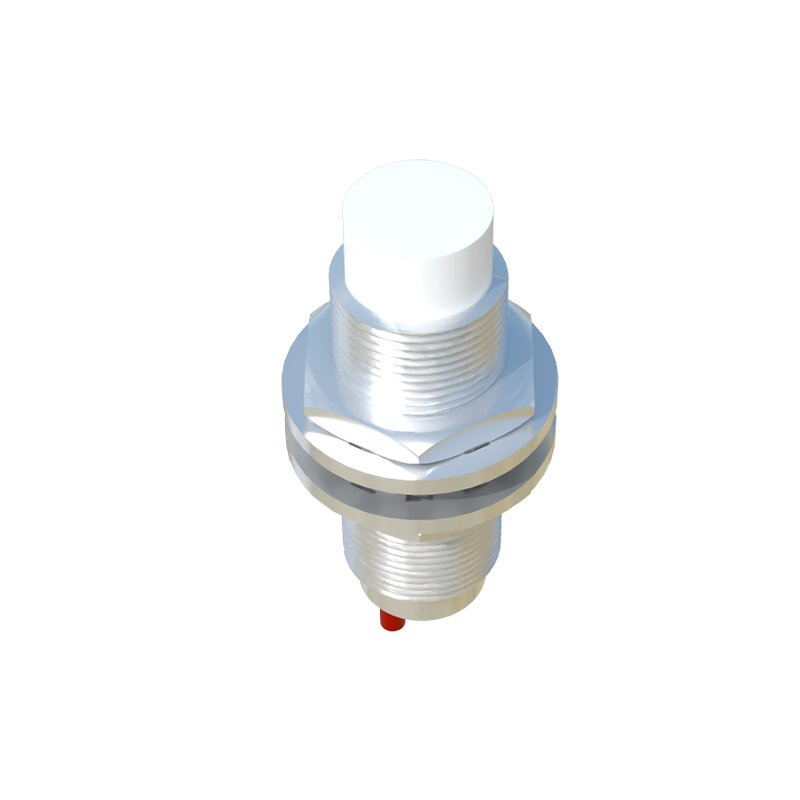
Wiring a 3-wire PNP NC sensor is straightforward. The three wires are typically color-coded: brown for the positive supply voltage (+V, e.g., 10-30V DC), blue for the common negative or 0V, and black for the switched output signal. The load (the device being controlled) is connected between the black output wire and the blue negative wire. In the sensor's normal state (no target present), the internal switch between the black and brown wires is closed, completing the circuit and supplying power to the load. When a target is detected within 20mm, this switch opens, de-energizing the load. It is paramount to consult the specific manufacturer's datasheet for exact wiring diagrams, voltage ranges, and current ratings to ensure compatibility and prevent damage.
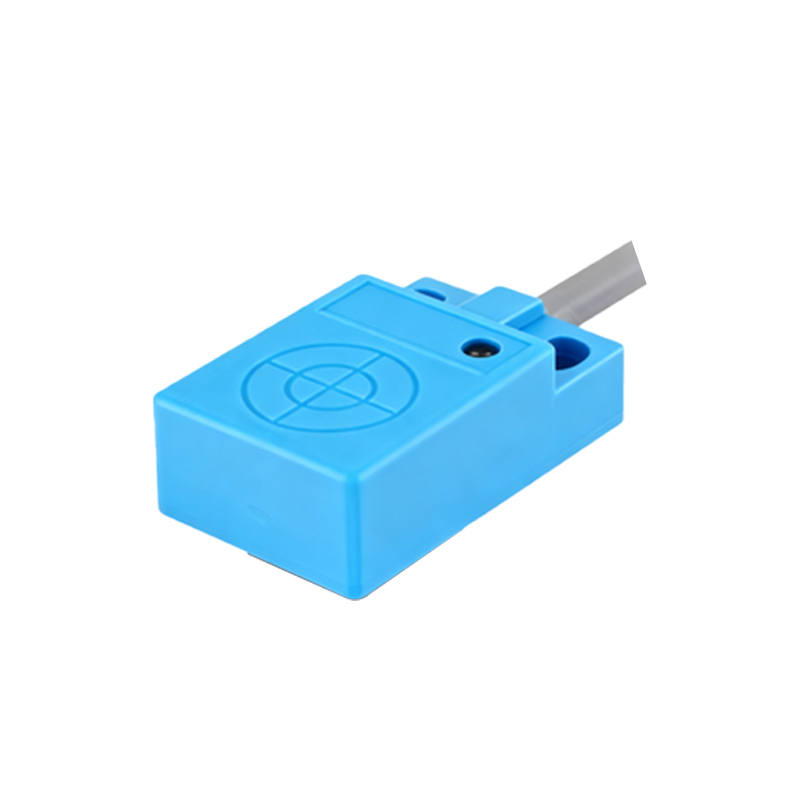
These sensors are predominantly constructed with a robust housing, often made of nickel-plated brass, stainless steel, or PBT plastic, offering high resistance to industrial environments involving oils, coolants, and vibrations. The sensing face is usually flush-mountable, meaning they can be embedded in metal without a lateral clearance zone, simplifying installation. Key performance parameters include repeatability, hysteresis, and switching frequency. A high switching frequency allows for detection of rapidly moving objects on production lines.
Application areas for 3-wire PNP NC 20mm proximity sensors are vast. They are commonly employed for end-position detection of cylinders and actuators, verifying the presence of parts in fixtures or on conveyor belts, monitoring robotic arm positions, and as safety interlock sensors on guards (where an NC signal indicates the guard is closed). The 20mm range offers a good balance, providing a sufficient margin for error in positioning while being precise enough for many mechanical setups. For instance, in a packaging machine, such a sensor can reliably detect whether a metal flap is in the closed position before initiating a sealing cycle. The NC logic ensures that if the sensor fails or its wiring is compromised, the machine will not initiate the cycle, preventing potential jams or damage.
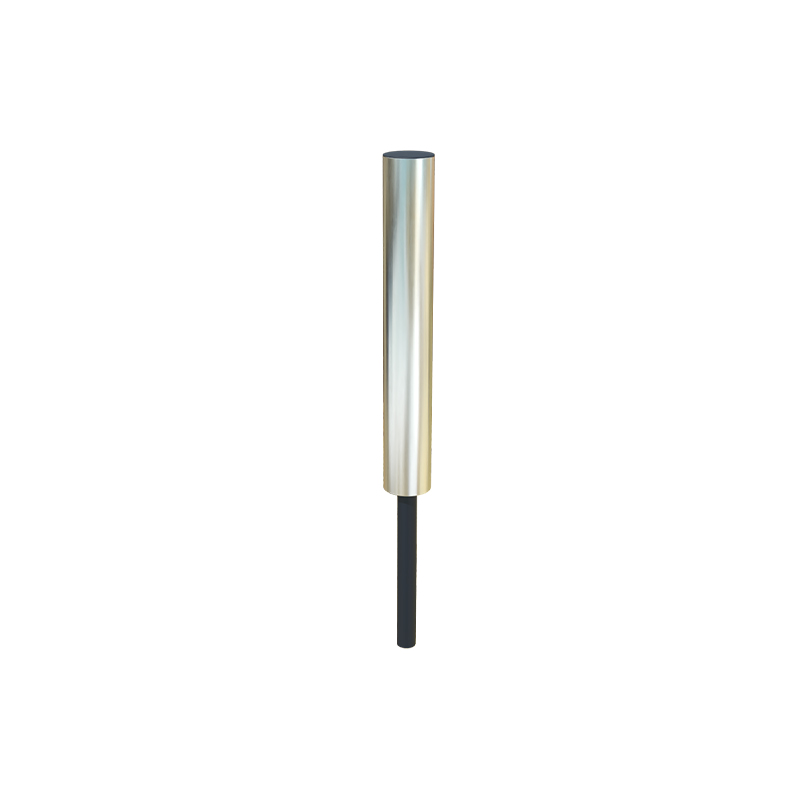
When selecting and installing these sensors, engineers must consider several factors. The supply voltage must match the sensor's operating range. The load current must not exceed the sensor's maximum rating, often protected by a short-circuit proof design. Environmental conditions like temperature extremes, strong electromagnetic fields, or the presence of welding spatter may require sensors with specialized housing or shielding. Furthermore, for sensing non-ferrous metals, a sensor with a corrected operating distance or a factor-1 device (