Proximity sensors are ubiquitous in modern technology, silently performing critical functions in our smartphones, industrial machinery, and automotive systems. At the heart of their operation lies a fundamental parameter: sensing distance. This distance, often referred to as the nominal sensing range or operating distance, is the maximum gap at which a sensor can reliably detect the presence of a target object. Understanding this concept is crucial for selecting the right sensor and ensuring optimal system performance.
The specified sensing distance is not a single, absolute value but is defined under specific standard conditions. Manufacturers typically determine this distance using a standard target, which for many inductive and capacitive sensors is a square of mild steel (Fe 360) with sides equal to the sensor's face diameter or three times the rated operating distance. The actual achievable distance in a real-world application can vary significantly based on several factors. The material of the target object is paramount. Inductive sensors, which detect metallic objects, will have a shorter sensing range for non-ferrous metals like aluminum or copper compared to steel. Capacitive sensors, sensitive to a wider range of materials, also see variations based on the target's dielectric constant. Ultrasonic and photoelectric sensors are influenced by the target's surface color, texture, and acoustic reflectivity.
Environmental conditions play a substantial role. Temperature fluctuations can affect the electronic components and, in ultrasonic sensors, the speed of sound. The presence of dust, oil, or moisture can obstruct sensor faces or dampen signals. For photoelectric sensors, ambient light can interfere with the emitted beam. Electrical noise from motors or frequency converters can also impact signal integrity, effectively reducing reliable detection distance.
Another critical concept is the hysteresis. This is a built-in difference between the switch-on point (when the target approaches) and the switch-off point (when the target moves away). Hysteresis prevents output chatter or oscillation when a target is positioned right at the edge of the sensing range. It ensures a clean, single switching action, which is vital for control logic stability. Typically expressed as a percentage of the sensing distance (e.g., 3-10%), it is a key specification for reliable operation.
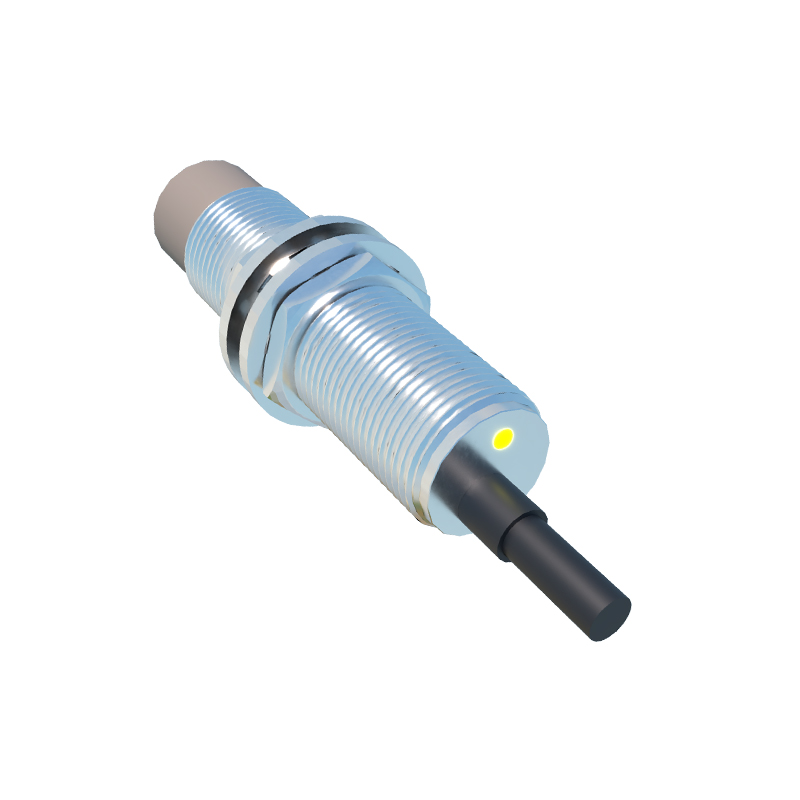
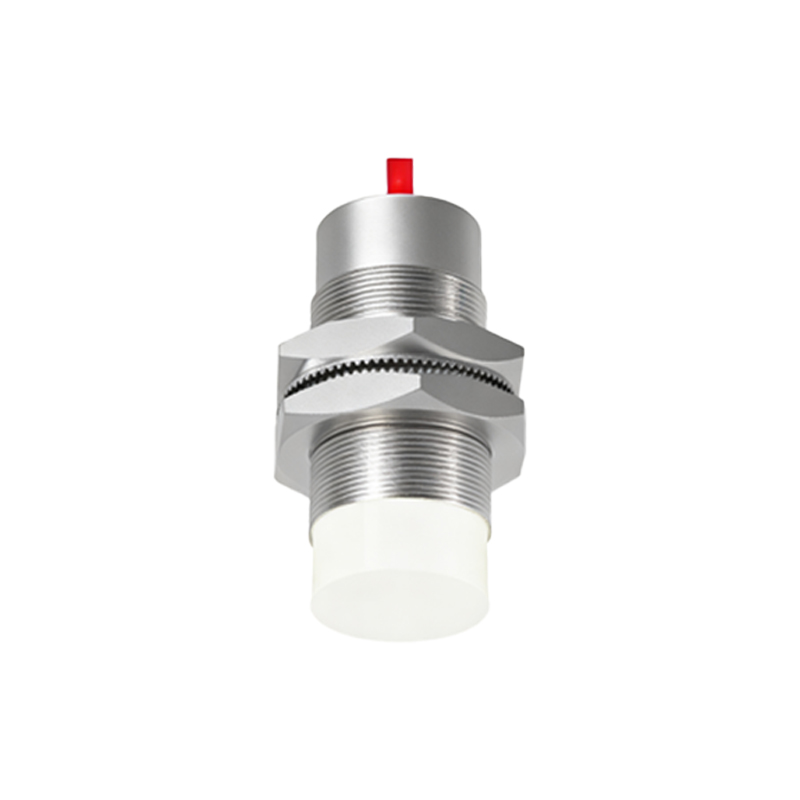
Installation practices directly influence effective sensing distance. Embedding a sensor in a metal surround (flush mounting) can reduce the sensing range of an inductive sensor due to eddy current effects, while non-flush mountable sensors require clearance around the sensing face to achieve their full range. For photoelectric and ultrasonic sensors, the angle of installation relative to the target is critical; a perpendicular alignment provides the strongest return signal and maximum range.
When integrating a proximity sensor, engineers must apply a safety factor. It is standard practice to derate the nominal sensing distance, often using only 60-80% of the catalog value for the actual application layout. This margin accounts for part tolerances, material variations, environmental drift, and ensures long-term reliability without false triggers. Furthermore, the repeatability of the switching point—how consistently the sensor detects at the same distance—is often more important than the absolute maximum distance for precision automation tasks.
In conclusion, the distance specification on a proximity sensor datasheet is a starting point. Successful implementation requires a holistic understanding of the target, environment, electrical landscape, and mechanical installation. By accounting for material factors, environmental influences, necessary hysteresis, and prudent derating, designers can leverage these versatile components to create robust, reliable, and efficient sensing solutions across countless industries. The true measure of a sensor's capability is not its maximum laboratory range, but its consistent and dependable performance in the field.