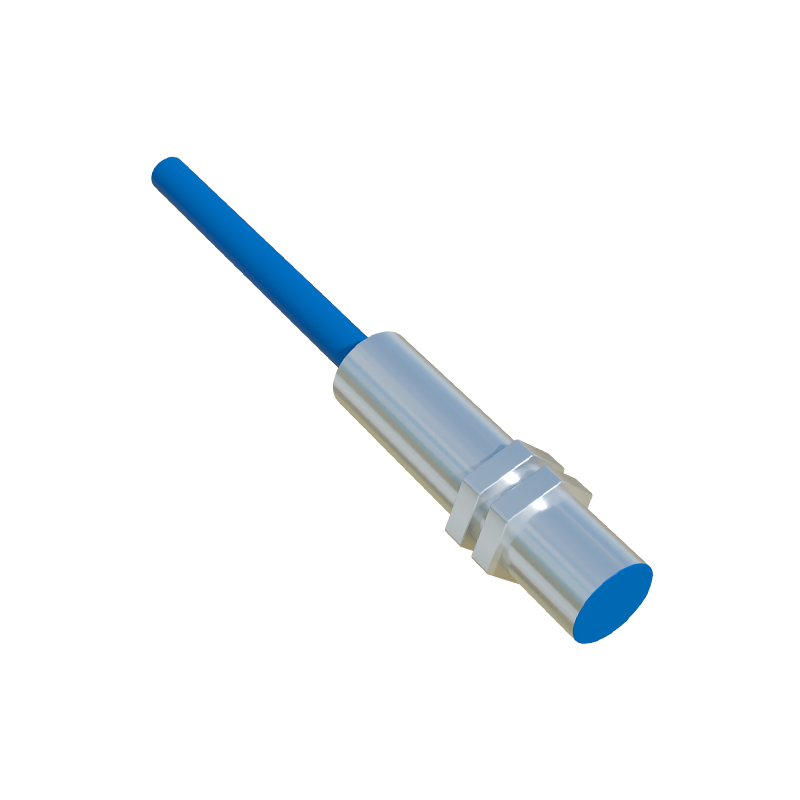
In today's rapidly evolving industrial and consumer electronics landscape, the push for sustainability is no longer a niche preference but a core operational mandate. This shift has profoundly impacted component sourcing, with a significant surge in demand for green proximity sensors. These devices, essential for detecting the presence or absence of objects without physical contact, are now being re-engineered and supplied with a strong emphasis on environmental responsibility throughout their lifecycle.
The concept of a "green" proximity sensor extends beyond mere energy efficiency during operation. It encompasses a holistic approach that begins with material sourcing. Leading suppliers are increasingly utilizing recycled plastics, halogen-free compounds, and lead-free solders in their housings and internal circuitry. This reduces dependency on virgin, non-renewable resources and minimizes the environmental toxicity of the components. Furthermore, the manufacturing processes themselves are being optimized to reduce waste, lower water consumption, and decrease greenhouse gas emissions. Suppliers who invest in renewable energy for their production facilities are gaining a competitive edge, appealing to OEMs (Original Equipment Manufacturers) with stringent corporate sustainability goals.
Energy consumption is, undoubtedly, a critical pillar. Modern green proximity sensors are designed for ultra-low power operation. Innovations in circuit design, such as implementing advanced sleep modes and more efficient oscillation methods, allow these sensors to draw minimal current while maintaining high responsiveness. This is particularly crucial for battery-powered applications in IoT devices, portable electronics, and wireless systems, where extending battery life directly reduces electronic waste. The adoption of low-power technologies like IO-Link also enables smarter power management, allowing sensors to communicate their status and only activate fully when necessary.
The supply chain for these components is also transforming. Transparency is key. Progressive suppliers provide detailed documentation on the environmental footprint of their products, including Material Safety Data Sheets (MSDS) with eco-friendly declarations and compliance certificates with standards like RoHS (Restriction of Hazardous Substances), REACH (Registration, Evaluation, Authorisation and Restriction of Chemicals), and WEEE (Waste Electrical and Electronic Equipment). This allows integrators and end-users to make informed decisions and ensures the sensors can be disposed of or recycled responsibly at the end of their long operational life. Durability itself is a green feature; a robust sensor that lasts for decades in the field negates the need for frequent replacement, thereby conserving resources.
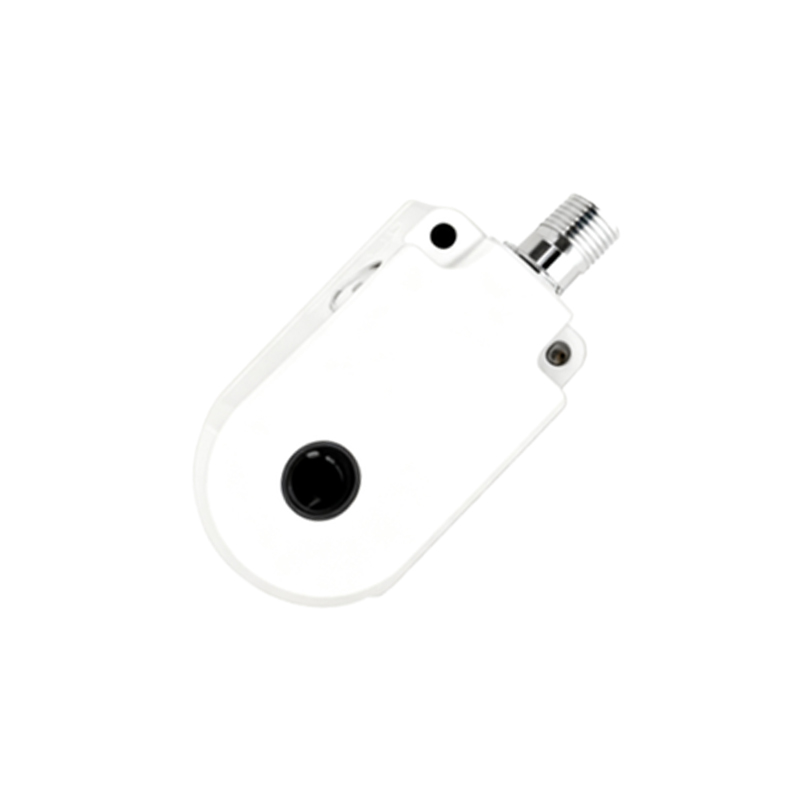
The applications driving this supply demand are diverse. In the automotive sector, especially in electric and hybrid vehicles, green proximity sensors contribute to overall vehicle efficiency and align with the zero-emission ethos. In smart building automation, they enable presence detection for lighting and HVAC control, leading to substantial energy savings. Packaging machinery utilizing such sensors can optimize material usage, reducing waste. Even consumer appliances like touchless faucets and soap dispensers benefit from reliable, low-power green sensors that promote hygiene while conserving water and power.
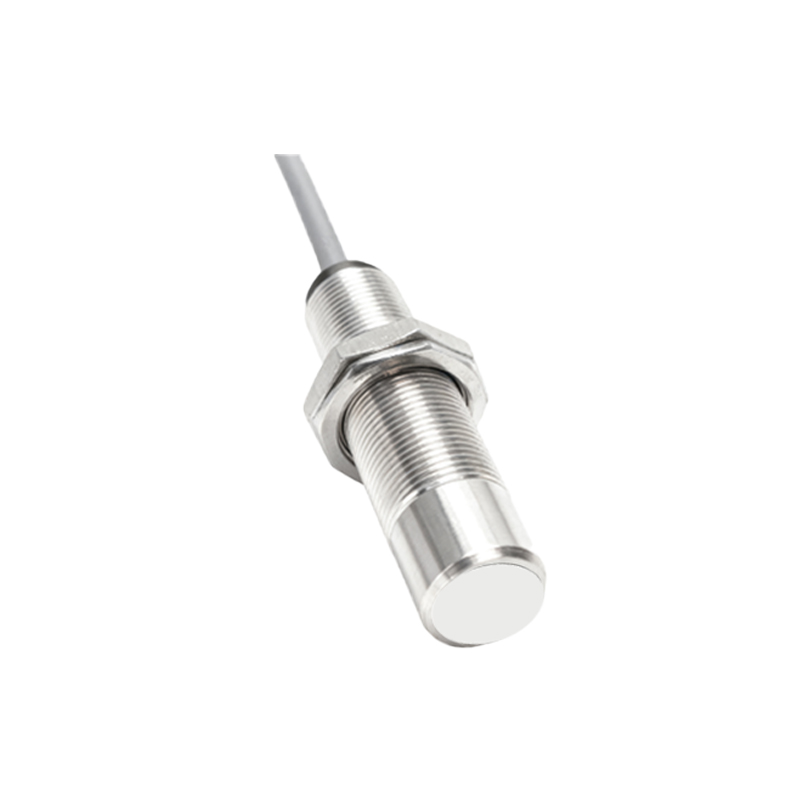
However, the supply of truly green proximity sensors faces challenges. The initial cost of sustainable materials and process overhaul can be higher, though this is often offset by total cost of ownership through energy savings and brand value. There is also the challenge of "greenwashing," where claims are not substantiated by tangible practices. Therefore, partnering with reputable, certified suppliers who can provide auditable data is crucial for companies committed to sustainability.
Looking ahead, the supply trend is clear. The market will continue to favor proximity sensors that demonstrate a reduced environmental impact without compromising on performance, accuracy, or reliability. Innovations in biodegradable materials, even lower power harvesting techniques, and fully circular economy models for sensor production and recovery are on the horizon. Suppliers who integrate environmental stewardship into their core engineering and business practices are not just following a trend; they are future-proofing their operations and enabling a new wave of clean, intelligent automation. The reliable supply of green proximity sensors is, therefore, a fundamental enabler for industries aiming to achieve both operational excellence and ecological balance.