As an experienced electrical engineer specializing in industrial automation, I often encounter questions about the cost of proximity sensors from original manufacturers. Pricing for these critical components can vary significantly based on multiple technical and commercial factors. This article aims to provide a professional breakdown of what influences proximity sensor pricing and how to navigate procurement effectively.
Proximity sensors, which detect the presence or absence of objects without physical contact, are essential in modern manufacturing, robotics, and safety systems. Original manufacturers, such as Omron, Schneider Electric, Siemens, and Pepperl+Fuchs, develop these sensors with distinct technologies including inductive, capacitive, ultrasonic, and photoelectric types. Each technology carries different cost structures due to materials, research, and production complexity.
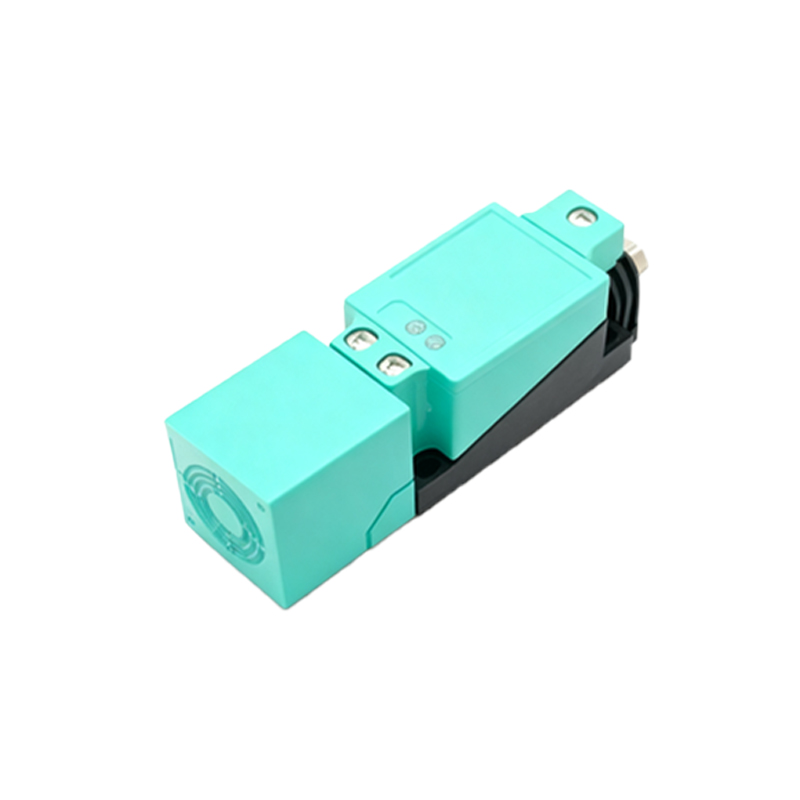
Key factors affecting pricing include sensing range, output type (e.g., NPN/PNP, analog, IO-Link), housing material (stainless steel, brass, or plastic), and environmental ratings like IP67 or IP69K for harsh conditions. For instance, a standard inductive sensor with a 5mm range and PNP output may cost between $20 to $50 per unit in small quantities, while specialized long-range or explosion-proof models can exceed $200. Manufacturers often price based on order volume, with discounts applied for bulk purchases—typically 10-30% for orders over 100 units.
Additionally, customization options such as cable length, connector types, or specific certifications (e.g., ATEX, UL) add to the cost. Lead times also influence pricing; rush orders may incur premiums of 15-25%. It’s crucial to request detailed quotations from manufacturers, specifying technical requirements to avoid hidden fees. Many manufacturers provide online configurators or direct sales support for accurate pricing.
In summary, proximity sensor pricing is not arbitrary but tied to performance, durability, and supply chain dynamics. Engineers should balance cost with reliability, considering total ownership expenses including maintenance and downtime. By understanding these factors, professionals can make informed decisions that align with project budgets and operational needs.