Capacitive proximity sensors, particularly the Q70 series, represent a significant advancement in non-contact detection technology, engineered to meet the demanding requirements of modern industrial automation. Unlike inductive sensors that primarily detect metals, capacitive sensors like the Q70 utilize the principle of capacitance change to detect a wide range of materials, including liquids, powders, granules, and non-metallic solids. This versatility makes them indispensable in sectors such as food and beverage, pharmaceuticals, packaging, and chemical processing.
The core operational principle of the Q70 capacitive sensor involves an oscillator circuit that generates an electrostatic field from its sensing face. When a target object enters this field, it alters the dielectric constant, leading to a measurable change in capacitance. This change triggers the sensor's output switch. A key feature of the Q70 series is its adjustable sensitivity, often via a potentiometer. This allows engineers to fine-tune the detection threshold, effectively ignoring unwanted background materials like container walls, thereby preventing false triggers and enhancing system reliability.
Designed for robustness, the Q70 sensors typically feature housings made from materials like PBT or stainless steel, offering high resistance to chemicals, moisture, and physical impact. Many models comply with IP67 or higher ingress protection ratings, ensuring reliable performance in washdown environments or areas with significant dust and humidity. The electrical output is commonly in the form of DC (PNP/NPN) or AC configurations, with options for normally open (NO) or normally closed (NC) contacts, providing seamless integration into Programmable Logic Controller (PLC) systems and other control circuitry.
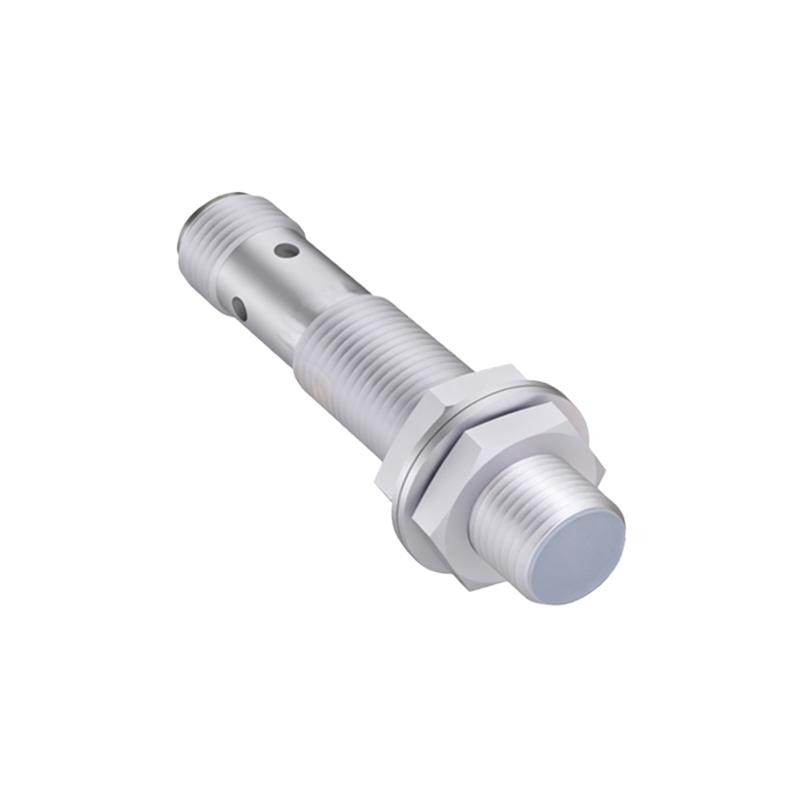
Application scenarios for the Q70 are extensive. In liquid level control, they reliably detect the presence or absence of fluids in tanks, whether the liquid is water, oil, or aggressive chemicals, through non-metallic walls. In packaging lines, they ensure correct fill levels in bottles or containers made of glass, plastic, or cardboard. Furthermore, they are crucial in detecting bulk materials like grains, powders, or pellets in silos and hoppers, contributing to efficient inventory management and process automation. Their ability to detect materials through barriers adds a layer of flexibility in system design.
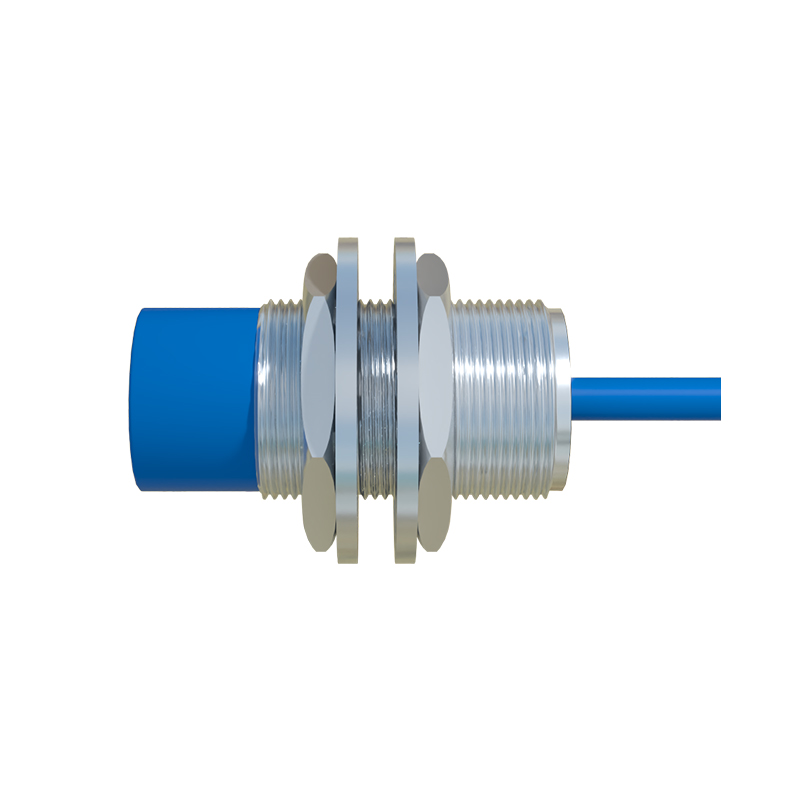
When selecting and installing a Q70 capacitive sensor, several factors must be considered. The dielectric constant of the target material directly influences the sensing distance; materials with higher constants (e.g., water) are detected at greater ranges than those with lower constants (e.g., plastics). Proper mounting is critical—sensors should be installed away from conductive backgrounds to avoid interference, and sufficient clearance around the sensing face must be maintained. Regular maintenance, though minimal, involves cleaning the sensing surface from accumulated residue to maintain optimal sensitivity and performance.
In comparison to other sensor types, the Q70 capacitive sensor fills a unique niche. While photoelectric sensors offer long-range detection, they can be hampered by color transparency or environmental contaminants like dust and fog. Ultrasonic sensors are excellent for distance measurement but may be affected by temperature variations or air turbulence. The Q70 excels in environments where the target's material properties vary or where detection through a barrier is necessary, offering a reliable and cost-effective solution.
The ongoing evolution of Industry 4.0 and smart manufacturing places a premium on sensors that provide not just detection but data. Future iterations of capacitive sensors like the Q70 may integrate enhanced diagnostics, IO-Link communication for parameter setting and condition monitoring, and even more compact form factors. This progression will further solidify their role as critical components in creating responsive, efficient, and intelligent industrial systems. For engineers and system integrators, mastering the capabilities and application nuances of the Q70 capacitive proximity sensor is key to optimizing automation processes, improving quality control, and minimizing downtime across a vast spectrum of industrial operations.