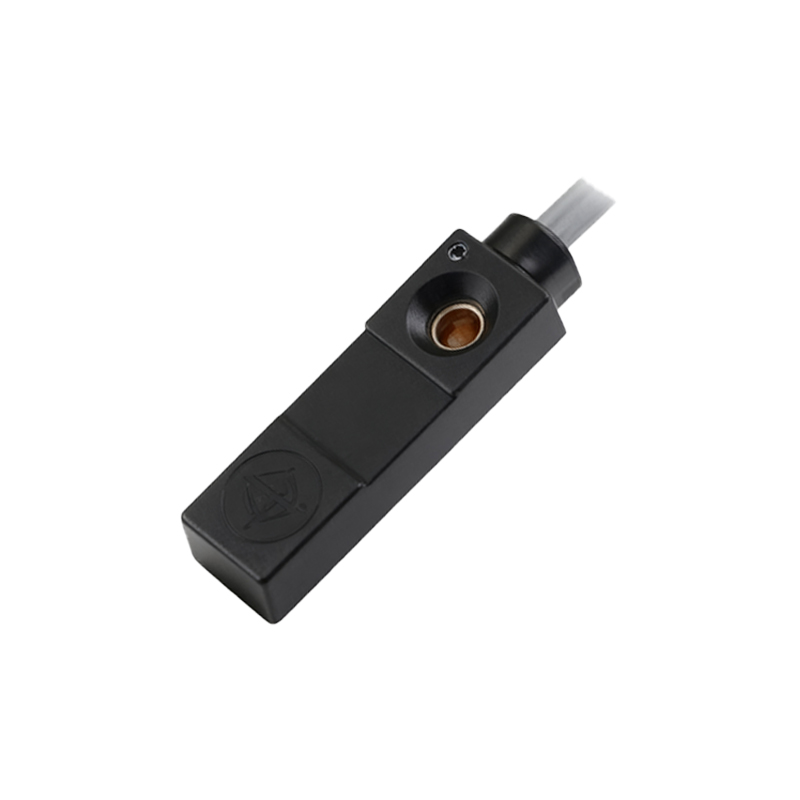
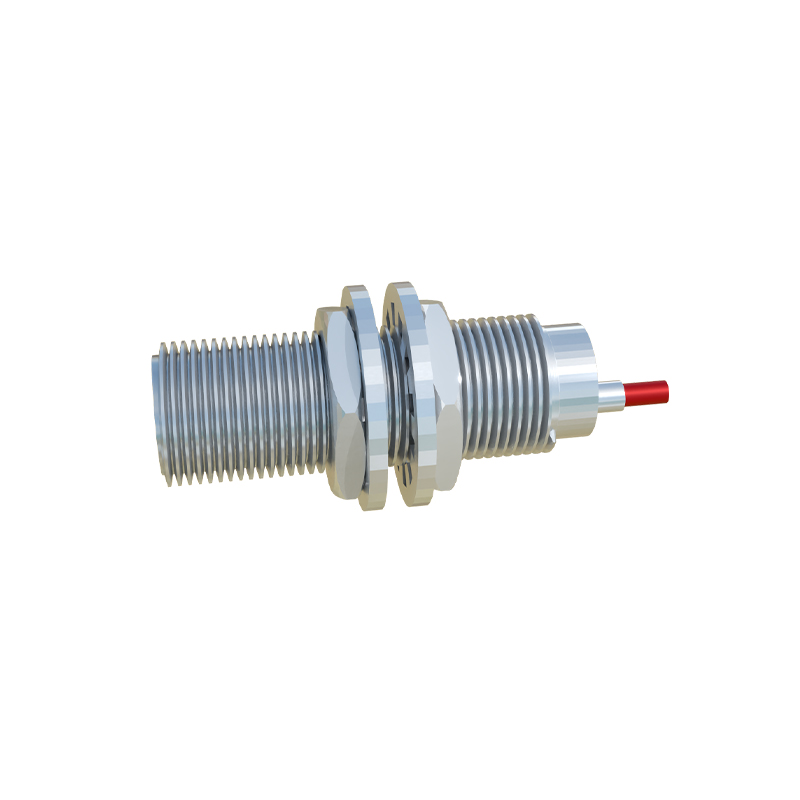
In the intricate world of industrial automation and smart device design, the unassuming miniature proximity sensor stands as a cornerstone of efficiency, safety, and precision. These compact, non-contact devices are engineered to detect the presence or absence of an object within a defined sensing range without any physical contact. Their function, while seemingly simple, is pivotal across a vast spectrum of applications, from high-speed manufacturing lines to the consumer electronics we use daily.
The primary purpose of a miniature proximity sensor is to provide reliable, real-time positional feedback. By emitting an electromagnetic field or a beam of radiation (typically infrared or laser), the sensor detects changes caused by a target object entering its field. This detection triggers an electrical signal output, which is then interpreted by a control system like a PLC (Programmable Logic Controller). This seamless interaction enables critical automated decisions: counting items on a conveyor, determining the precise position of a robotic arm, verifying a part is present before a machining operation, or ensuring a safety door is closed.
The advantages of their miniaturized form factor are profound. Their small size allows for installation in space-constrained environments where traditional sensors cannot fit. This is invaluable in modern, dense PCB assembly equipment, compact robotic grippers, and miniature automated guided vehicles (AGVs). Furthermore, their non-contact nature eliminates mechanical wear and tear, ensuring a long operational life and reducing maintenance costs. They are also largely immune to environmental factors like surface finish, color, or material dust (in the case of inductive sensors detecting metals), providing consistent performance where other sensing methods might fail.
Different sensing technologies cater to specific needs. Inductive proximity sensors are the workhorses for detecting metallic objects, commonly used in machine tools and automotive assembly. Capacitive sensors can detect both metallic and non-metallic materials, such as liquids, plastics, or wood, making them ideal for fill-level control or packaging lines. Photoelectric miniature sensors, using modulated light beams, offer longer sensing distances and are perfect for detecting tiny components or transparent materials.
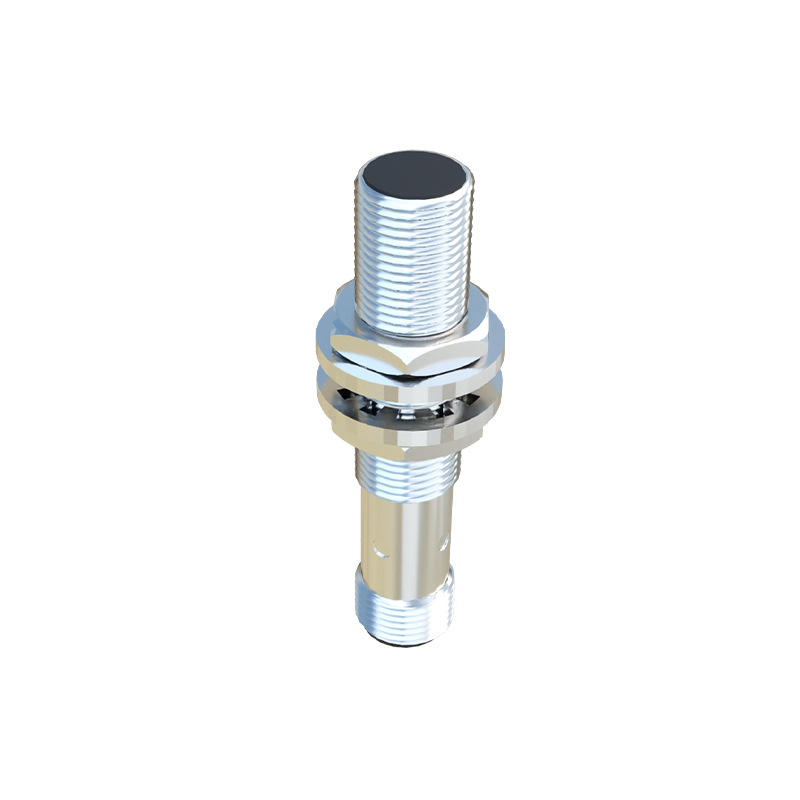
The impact of these sensors extends beyond factory floors. In the consumer sector, they enable features like smartphone screen auto-brightness adjustment by detecting proximity to the user's face, or in automatic faucets and soap dispensers for improved hygiene. In automotive applications, they are integral to parking assistance systems, detecting obstacles with high accuracy.
However, selecting the right miniature proximity sensor requires careful consideration. Engineers must evaluate the required sensing distance, the target material, the operating environment (temperature, potential washdowns, or chemical exposure), the required output type (PNP/NPN, analog, or IO-Link for smart sensors), and the electrical requirements. The rise of Industry 4.0 has also seen the integration of IO-Link communication into these small devices, turning them into intelligent data points that can provide diagnostic information like temperature, signal strength, and operating hours, facilitating predictive maintenance.
In conclusion, the fundamental role of the miniature proximity sensor is to act as the essential "eyes" of automated systems. They provide the critical data that drives precision, enhances safety protocols, optimizes production flow, and enables the miniaturization and intelligence of modern machinery. As industries continue to demand higher speeds, greater reliability, and more data connectivity, the evolution of these sensors will remain tightly coupled with the advancement of automation itself, solidifying their status as indispensable components in the technological landscape.