In the rapidly evolving field of robotics, proximity sensors serve as critical components that enable machines to perceive and interact with their surroundings without physical contact. These sensors detect the presence, absence, or distance of objects within a specified range, providing essential data for navigation, obstacle avoidance, and precise manipulation. Based on their underlying technologies and operational principles, proximity sensors in robotics can be broadly classified into several major categories, each with distinct characteristics and applications.
The first category is inductive proximity sensors. These sensors operate by generating an electromagnetic field and detecting changes caused by metallic objects entering this field. They are highly reliable and durable, making them ideal for industrial robotics in harsh environments, such as assembly lines or welding stations. Since they only respond to metals, their use is limited to applications involving ferrous or non-ferrous materials. Common implementations include position verification of robotic arms and detection of metal parts in automated systems.
Capacitive proximity sensors form another significant category. Unlike inductive sensors, capacitive types can detect both metallic and non-metallic objects, including liquids, plastics, and organic materials. They work by measuring changes in capacitance when an object enters an electrostatic field. This versatility makes them suitable for diverse robotic tasks, such as material handling in packaging or detecting fill levels in containers. However, they may be sensitive to environmental factors like humidity, requiring careful calibration.
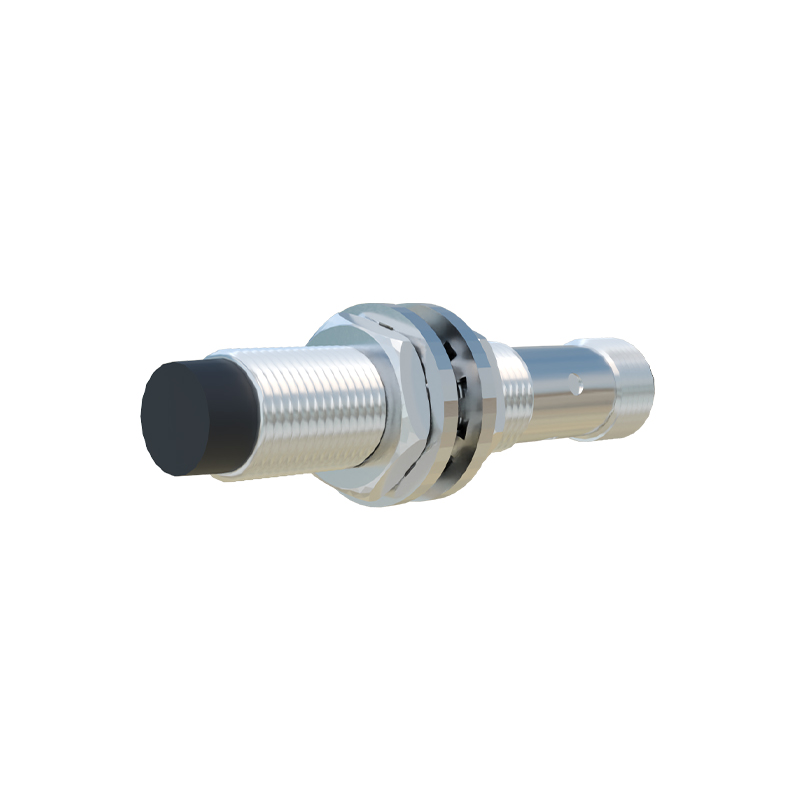
Ultrasonic proximity sensors utilize sound waves beyond the human hearing range to gauge distance. By emitting ultrasonic pulses and measuring the time taken for echoes to return, these sensors can accurately determine object proximity and even map surroundings. They are effective in medium-range applications and perform well in various lighting conditions, though they can be affected by air turbulence or soft materials that absorb sound. In robotics, they are often employed for obstacle detection in autonomous mobile robots (AMRs) or drone navigation.
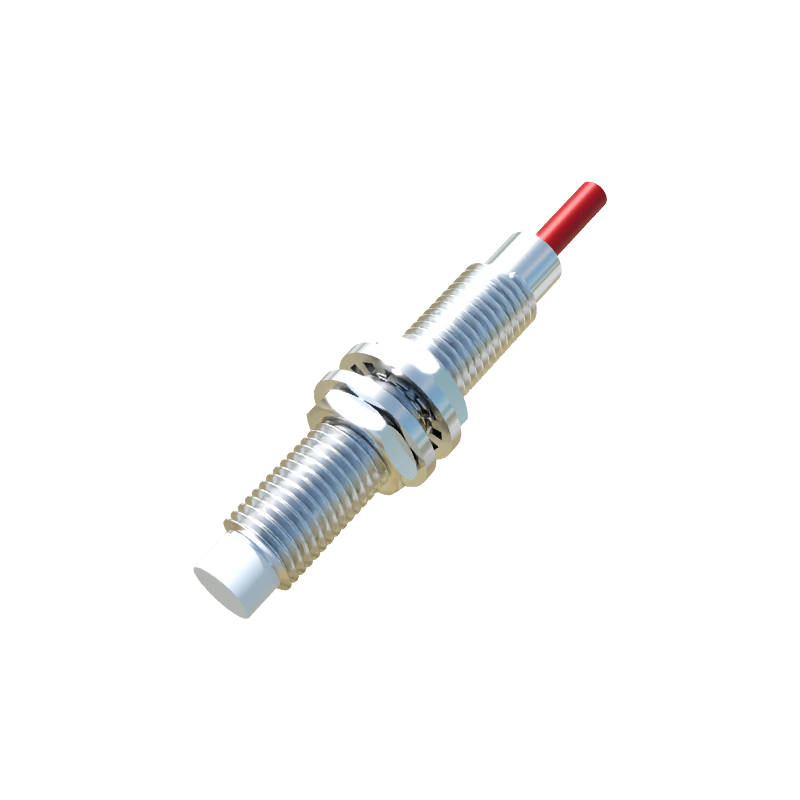
Optical proximity sensors, including infrared (IR) and laser-based systems, represent a widely used category. IR sensors emit infrared light and detect reflections from objects, offering fast response times and high precision for short to medium ranges. Laser sensors, such as LiDAR, provide detailed 3D mapping and are crucial for advanced robotics in autonomous vehicles or precision agriculture. While optical sensors excel in accuracy, they may struggle in environments with excessive dust, smoke, or direct sunlight interference.
Magnetic proximity sensors detect magnetic fields, typically from permanent magnets, and are valued for their simplicity and low power consumption. They are commonly used in robotics for end-effector positioning or as limit switches in joint movements. Although their range is limited, they offer robust performance in sealed or dirty conditions where other sensors might fail.
Finally, vision-based proximity systems, which integrate cameras with image-processing algorithms, are becoming increasingly prevalent. These systems enable robots to interpret visual data for complex tasks like object recognition or spatial analysis. While not traditional "sensors" in the conventional sense, they function as proximity-aware tools in collaborative robots (cobots) and AI-driven automation.
In summary, the selection of proximity sensors in robotics depends on factors such as target material, environmental conditions, required range, and cost. Inductive, capacitive, ultrasonic, optical, magnetic, and vision-based categories each offer unique advantages, driving innovation in robotic capabilities across manufacturing, logistics, healthcare, and beyond. As robotics continues to advance, sensor fusion—combining multiple types for enhanced perception—is emerging as a key trend, paving the way for more intelligent and adaptable machines.