In the realm of modern smartphone technology, the infrared (IR) proximity sensor plays a crucial yet often overlooked role. This compact component, typically located near the earpiece or front camera, is integral to enhancing user experience and device efficiency. By emitting infrared light and detecting its reflection from nearby objects, the sensor enables smartphones to perform functions such as automatic screen dimming during calls to prevent accidental touches, and power-saving measures by turning off the display when the phone is held to the ear.
The working principle of an IR proximity sensor is based on the time-of-flight (ToF) or intensity measurement of infrared waves. It consists of an IR emitter, usually an LED that transmits light in the infrared spectrum, and an IR receiver, such as a photodiode, that captures the reflected signals. When an object, like a user's face, approaches the phone, the sensor calculates the distance by analyzing the time delay or intensity change of the reflected IR waves. This data is processed by the device's microcontroller to trigger predefined actions, ensuring seamless interaction without manual input.
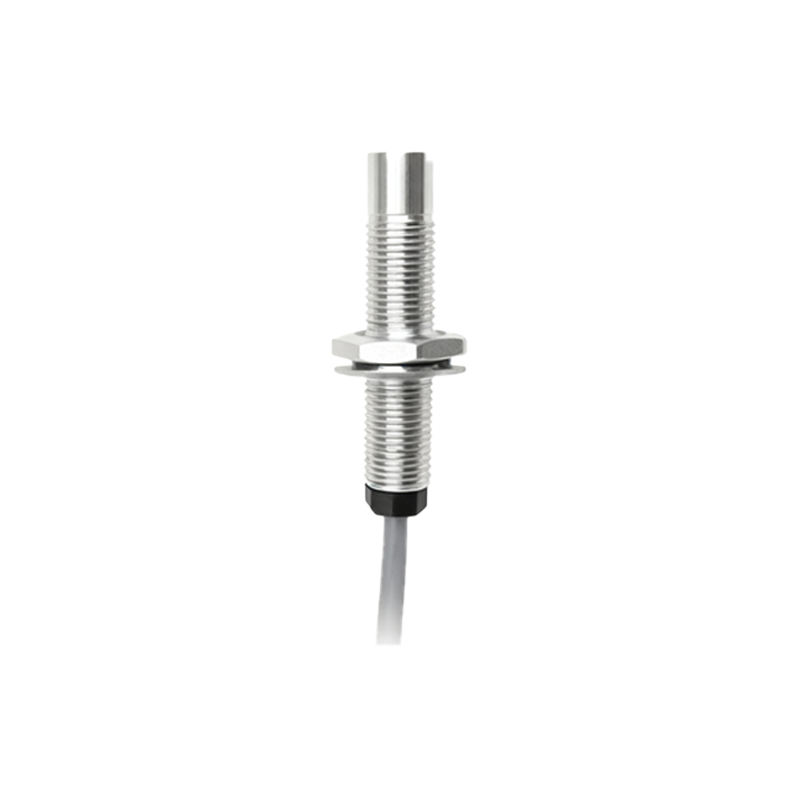
From an engineering perspective, the design and integration of IR proximity sensors involve several technical considerations. Key factors include power consumption, accuracy, and interference resistance. Modern sensors are optimized to operate with minimal energy, leveraging low-power modes and efficient signal processing algorithms. Accuracy is critical to avoid false triggers, which can be affected by environmental conditions like ambient light or reflective surfaces. To mitigate this, advanced sensors incorporate filtering techniques and calibration routines during manufacturing. Additionally, the compact size of these sensors—often just a few millimeters in dimension—requires precise placement on the smartphone's PCB to avoid obstruction from other components like speakers or cameras.
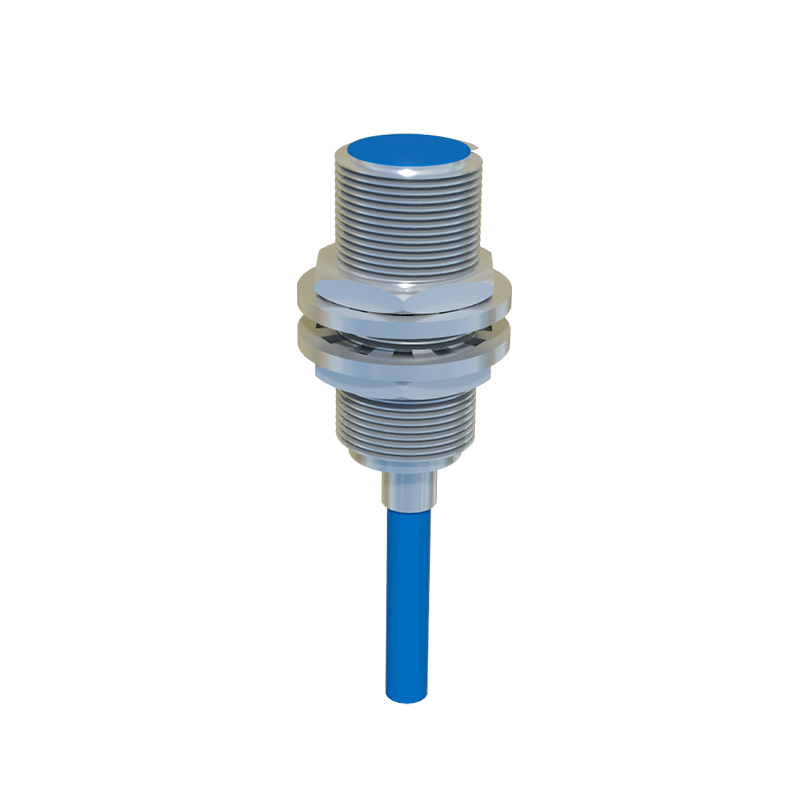
In the broader electrical industry, IR proximity sensors are part of a growing trend toward smarter, more responsive devices. They share similarities with sensors used in automotive systems, robotics, and home automation, highlighting the cross-industry application of infrared technology. For smartphone manufacturers, ongoing innovations focus on improving sensor sensitivity and integrating them with other features, such as facial recognition or gesture control. As 5G and IoT ecosystems expand, the demand for reliable, low-latency sensors is expected to rise, driving further research into materials like graphene or quantum dots for enhanced performance.
Despite their advantages, IR proximity sensors face challenges, including susceptibility to dirt or screen protectors that can block IR signals, and limitations in extreme temperatures. Engineers address these issues through robust housing designs and software adaptations. Looking ahead, the evolution of these sensors may involve hybrid systems combining IR with other technologies, such as ultrasonic or capacitive sensing, to deliver more versatile functionality. For consumers, understanding this technology underscores the sophistication behind everyday smartphone conveniences, from energy savings to improved usability.
In summary, the infrared proximity sensor is a vital component in today's smartphones, blending electrical engineering principles with practical user benefits. Its continuous refinement reflects the dynamic nature of the tech industry, where even small components contribute significantly to overall device performance. As smartphones evolve, so too will the capabilities of these sensors, paving the way for more intuitive and efficient interactions in our connected world.