In industrial automation and precision measurement applications, laser sensors are critical components that deliver high accuracy, reliability, and efficiency. However, their performance is heavily dependent on correct mounting and installation practices. Improper mounting can lead to measurement errors, reduced sensor lifespan, and even system failures. This article provides a comprehensive guide on best practices for mounting laser sensors, ensuring they operate at peak performance in various industrial environments.
First and foremost, understanding the sensor's operating principle is essential. Laser sensors typically emit a focused beam of light toward a target, and the reflected light is analyzed to determine distance, position, or presence. Mounting stability is paramount because any vibration, misalignment, or movement can distort the beam path, leading to inaccurate readings. When selecting a mounting location, consider factors such as mechanical stability, thermal conditions, and exposure to contaminants like dust, oil, or moisture. A rigid, vibration-free mounting surface is ideal. Use sturdy brackets or mounts made from materials that minimize thermal expansion, such as aluminum or stainless steel, to maintain alignment over temperature fluctuations.
Alignment is another critical aspect. Before final installation, perform a preliminary alignment using the sensor's built-in indicators or external alignment tools. Many modern laser sensors feature LED indicators or digital interfaces that provide real-time feedback on beam alignment. Ensure the laser beam is perpendicular to the target surface unless the sensor design specifies an angle. For reflective or glossy targets, slight angular adjustments may be necessary to avoid specular reflection issues. Always refer to the manufacturer's guidelines for specific alignment procedures, as deviations can affect calibration.

Environmental protection should not be overlooked. In harsh industrial settings, sensors may be exposed to extreme temperatures, humidity, or corrosive substances. Choose mounting locations that shield the sensor from direct exposure to these elements when possible. If unavoidable, use protective enclosures or housings rated for the environment. Additionally, ensure that cables are securely fastened and routed away from moving parts or high-temperature zones to prevent damage. Strain relief mechanisms should be employed at cable entry points to avoid tension on electrical connections.
Electrical considerations are equally important. Proper grounding and shielding minimize electromagnetic interference (EMI) from nearby machinery, which can disrupt sensor signals. Keep sensor cables separate from power lines and high-voltage equipment. Use conduit or shielded cables in areas with significant EMI. Also, verify that the power supply matches the sensor's specifications to prevent voltage fluctuations that could impact performance.
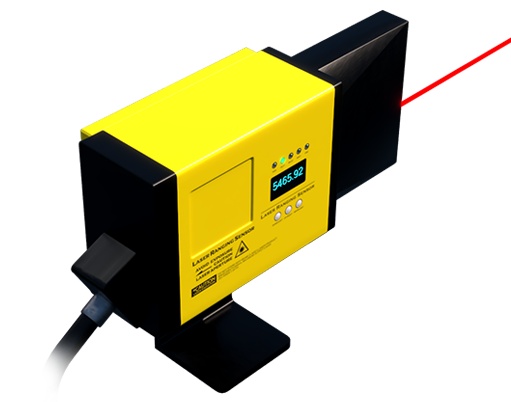
Regular maintenance and verification post-mounting ensure long-term accuracy. After installation, conduct a series of tests to confirm the sensor's readings under normal operating conditions. Periodically check mounting hardware for loosening due to vibration or thermal cycling. Recalibrate the sensor as recommended by the manufacturer, especially if the operating environment changes. Documentation of mounting procedures and calibration records aids in troubleshooting and maintenance scheduling.
In summary, proper mounting of laser sensors involves careful planning, precise alignment, environmental protection, and electrical safety. By adhering to these practices, engineers can maximize sensor accuracy, enhance system reliability, and extend equipment lifespan. Always consult the sensor's technical manual and leverage industry standards to tailor mounting solutions to specific applications.