In the rapidly evolving field of industrial automation, proximity sensors stand as critical components for non-contact detection, ensuring precision, reliability, and efficiency in countless applications. This video guide delves deep into the intricate manufacturing processes and operational principles behind these essential devices, tailored specifically for electrical engineers and industry professionals seeking to enhance their technical expertise.
The production of proximity sensors begins with the selection of high-grade materials, including robust housing polymers and corrosion-resistant metals, which are meticulously molded or machined to meet stringent environmental standards. The core of the sensor—the sensing element—is fabricated using advanced semiconductor techniques. For inductive sensors, this involves winding fine copper coils around ferrite cores, followed by encapsulation to protect against moisture and mechanical stress. Capacitive sensors, on the other hand, require precise etching of electrode plates to achieve optimal sensitivity to various materials.
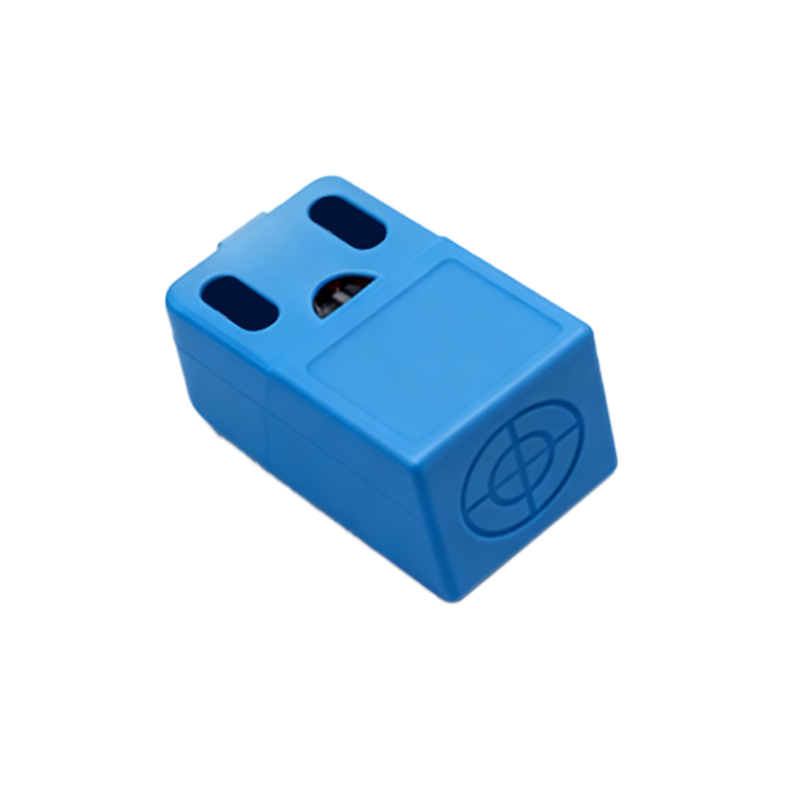
Assembly lines integrate these elements with oscillation circuits and signal conditioning modules, where surface-mount technology (SMT) ensures compact, durable designs. Each unit undergoes rigorous calibration, where factors like sensing range, hysteresis, and response time are fine-tuned using automated test equipment. The video highlights how laser trimming adjusts resonant frequencies in inductive models, while programmable logic controllers (PLCs) validate output signals under simulated operational conditions.
Key design considerations are explored, such as shielding techniques to prevent electromagnetic interference (EMI) and the implementation of IP67 or higher ingress protection ratings for harsh industrial environments. The guide also covers the latest advancements, including IO-Link connectivity for smart sensor networks and the integration of diagnostic LEDs for real-time status monitoring.
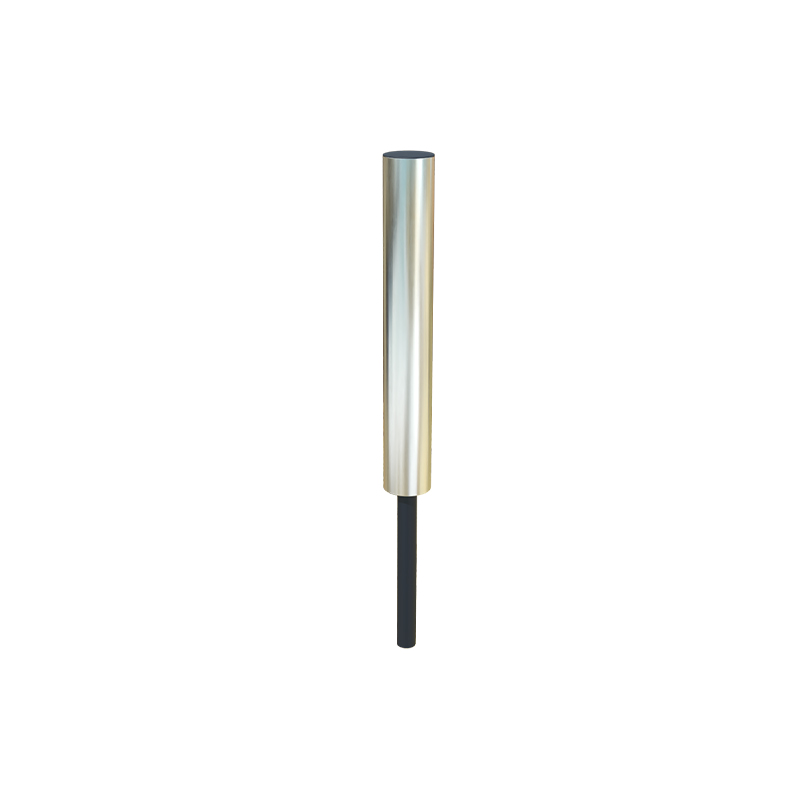
Viewers will gain practical insights into installation best practices, such as proper mounting distances and alignment to avoid false triggers, as well as maintenance tips to prolong sensor lifespan. By understanding the sophisticated engineering behind proximity sensors, professionals can optimize system performance, reduce downtime, and drive innovation in automation projects.
This comprehensive tutorial not only clarifies technical specifications but also emphasizes the importance of quality control in manufacturing, from initial prototyping to final inspection. Whether applied in packaging machinery, automotive assembly, or material handling systems, mastering these fundamentals empowers engineers to select and deploy sensors with confidence, ensuring seamless integration into modern industrial frameworks.