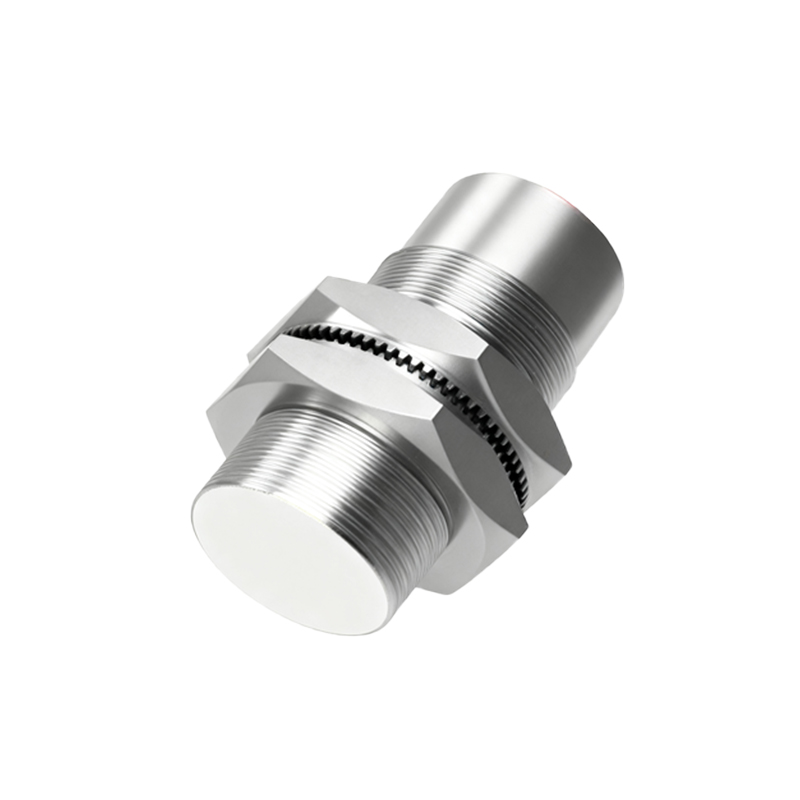
In industrial automation and harsh environment applications, low temperature proximity sensors are critical components designed to operate reliably in extreme cold, often as low as -40°C to -60°C, and in some specialized models, even lower. These sensors are widely used in cold storage logistics, frozen food processing, outdoor automation in polar regions, aerospace, and chemical refrigeration processes. The pricing of these sensors varies significantly based on technology, performance specifications, brand, and environmental ratings.
Generally, the market offers several types of low temperature proximity sensors, including inductive, capacitive, and ultrasonic variants. Inductive sensors, suitable for detecting metallic objects, are commonly priced between $50 and $200 per unit for standard temperature ranges down to -40°C. For more severe conditions below -60°C, prices can range from $200 to $500, depending on the housing material (such as stainless steel or specialized polymers) and ingress protection (IP) ratings. Capacitive sensors, used for non-metallic object detection, often carry a 10-20% premium over inductive models due to their complex circuitry and calibration for low-temperature stability. Ultrasonic sensors, offering longer detection ranges in cold environments, typically start at $150 and can exceed $600 for high-precision, ruggedized versions.
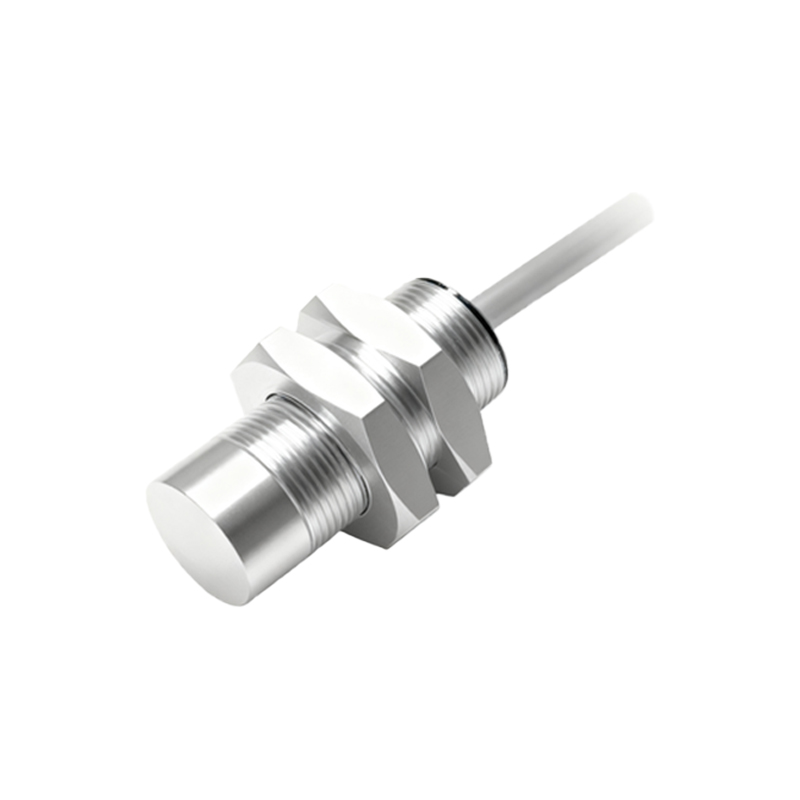
Brand influence is another major pricing factor. Established manufacturers like Siemens, Omron, and Pepperl+Fuchs command higher prices, often 20-30% above generic or lesser-known brands, owing to their proven reliability, comprehensive certifications (e.g., ATEX for hazardous areas), and extended warranties. For instance, a Siemens inductive sensor rated for -60°C might cost around $400, while a comparable model from a regional supplier could be priced at $250-$300. However, the initial cost should be evaluated alongside total cost of ownership, including maintenance, calibration frequency, and failure rates in sustained low-temperature operations.
Additional features impacting price include output types (e.g., NPN/PNP, analog, IO-Link), sensing distance, response time, and connection methods (cable or connector). Sensors with IO-Link communication capabilities, enabling predictive maintenance and data integration, generally add $50-$100 to the base price. Similarly, models with heated housings to prevent ice buildup or condensation may increase costs by 15-25%.
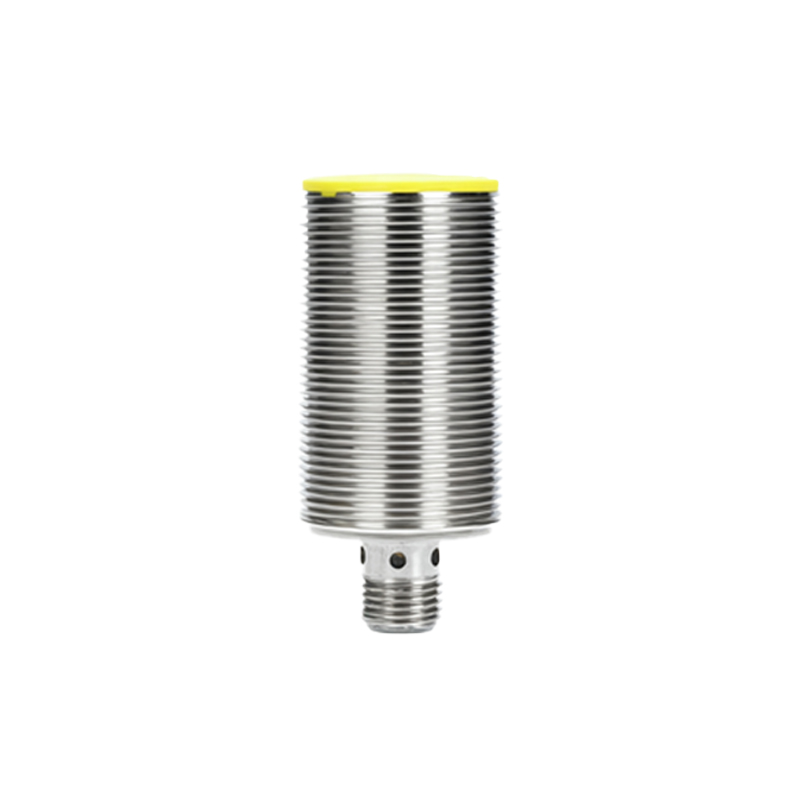
Bulk purchasing often reduces per-unit costs. For OEMs or large-scale projects, suppliers may offer discounts of 10-20% on orders exceeding 100 units. However, customizations—such as specific cable lengths, connector types, or temperature tolerances beyond standard ranges—can lead to higher prices and longer lead times.
The market trend shows a gradual price decrease for standard low-temperature sensors due to advancements in semiconductor technology and increased competition. Yet, for ultra-low temperature applications (below -80°C), prices remain high, often exceeding $800 per unit, as these require specialized materials like cryogenic-grade seals and components tested for thermal contraction.
In summary, selecting a low temperature proximity sensor involves balancing performance needs with budget constraints. Key considerations include the operational temperature range, required sensing technology, environmental durability, and brand reputation. While lower-priced options may suffice for less critical applications, investing in higher-end sensors can reduce downtime and ensure safety in mission-critical, frigid environments. Always consult technical datasheets and supplier support to verify specifications before procurement.