In the realm of industrial automation and quality control, German laser color sensors stand as a pinnacle of engineering excellence. These sophisticated devices, renowned for their precision and reliability, utilize advanced laser technology to detect, differentiate, and measure colors with exceptional accuracy. Unlike conventional RGB sensors, laser color sensors from leading German manufacturers employ monochromatic laser light sources, typically in the visible spectrum, to illuminate target surfaces. The reflected light is then analyzed using high-resolution spectrometers or specialized photodiodes, enabling the sensor to discern subtle color variations that are imperceptible to the human eye or standard optical sensors.
The core technology hinges on the principle of spectral analysis. When a laser beam strikes a surface, the material's specific properties—such as pigment composition, surface texture, and coating thickness—affect the wavelength and intensity of the reflected light. German-engineered sensors capture this data and process it through integrated algorithms, often leveraging machine learning capabilities to adapt to complex environments. This allows for real-time color verification in dynamic production lines, such as in automotive painting, pharmaceutical packaging, food sorting, and textile manufacturing. For instance, in automotive applications, these sensors ensure paint consistency across vehicle body panels, detecting minute deviations that could indicate quality issues. In the food industry, they sort products like fruits or candies based on ripeness or color grade, enhancing efficiency and reducing waste.
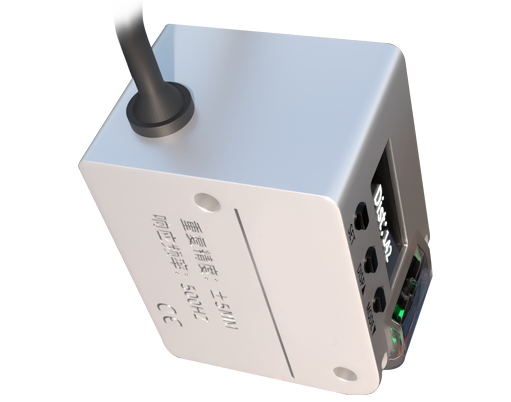
A key advantage of German laser color sensors is their robustness in challenging industrial conditions. Designed to withstand vibrations, temperature fluctuations, and ambient light interference, they maintain consistent performance in settings ranging from clean rooms to harsh factory floors. Many models feature IP67 or higher ingress protection ratings, ensuring durability against dust and moisture. Additionally, their non-contact measurement capability prevents contamination or damage to sensitive materials, making them ideal for sterile environments like medical device production.
Integration with Industry 4.0 frameworks is another hallmark. These sensors often come equipped with IO-Link, Ethernet/IP, or PROFINET interfaces, facilitating seamless communication with PLCs and SCADA systems. This connectivity enables predictive maintenance, data logging, and remote calibration, aligning with smart factory initiatives. For example, a sensor can transmit color trend data to a central dashboard, alerting operators to gradual drifts in material quality before they escalate into defects.
Despite their advanced features, selecting the right laser color sensor requires careful consideration of application parameters. Factors such as target distance, surface reflectivity, required resolution, and response time must be evaluated. German manufacturers typically offer comprehensive support, including software tools for configuration and simulation, to optimize sensor deployment. As industries increasingly prioritize quality assurance and automation, the demand for these high-precision devices continues to grow, driving further innovations in speed, accuracy, and AI-driven functionality.

In summary, German laser color sensors represent a fusion of optical engineering, digital processing, and industrial design. They empower manufacturers to achieve unparalleled quality standards, reduce operational costs, and adapt to evolving production demands. With ongoing advancements in laser diode technology and embedded intelligence, these sensors are poised to play an even more critical role in the future of automated manufacturing and beyond.
