As an electrical engineer with over 15 years of experience in industrial automation and control systems, I have specified, installed, and maintained countless proximity sensors across a wide range of applications. From harsh manufacturing environments to precision assembly lines, the reliability and performance of these sensors are critical to operational success. Based on rigorous field performance, technological innovation, product range, and global support, I have compiled a list of top-tier brands that consistently deliver excellence. This recommendation is rooted in practical engineering experience, not just catalog specifications.
First and foremost, Sick AG stands out for its exceptional quality and innovation, particularly in photoelectric and inductive proximity sensors. Their sensors are renowned for high switching frequencies, incredible durability against mechanical stress, and advanced diagnostics. The IME series of inductive sensors, for example, offers exceptional temperature stability and flush-mounting capabilities, making them ideal for metal machining and automotive applications. Their robust housing designs and superior sealing (often up to IP69K) ensure longevity in environments with coolants, dust, and high-pressure washdowns.
Another industry pillar is Pepperl+Fuchs. This German manufacturer is synonymous with precision and safety, especially in hazardous areas. Their extensive portfolio includes inductive, capacitive, ultrasonic, and magnetic sensors. For engineers designing systems for explosive atmospheres (ATEX, IECEx), Pepperl+Fuchs' intrinsically safe and explosion-proof proximity switches are the gold standard. Their modular R series provides remarkable flexibility, allowing for customized combinations of sensing heads, housings, and connectors, which simplifies inventory and reduces downtime.
For applications demanding extreme robustness and simplicity, Turck is a premier choice. Turck's sensors are engineered for the toughest conditions, featuring potentio-free, weld-field immune designs that are crucial in metalworking and welding cells. Their Q series family offers a unique, tool-free quick-disconnect system that drastically reduces replacement time. Furthermore, Turck leads in connectivity with advanced IO-Link sensors that provide valuable process data for predictive maintenance, moving beyond simple switching functions to become integral data points in Industry 4.0 architectures.
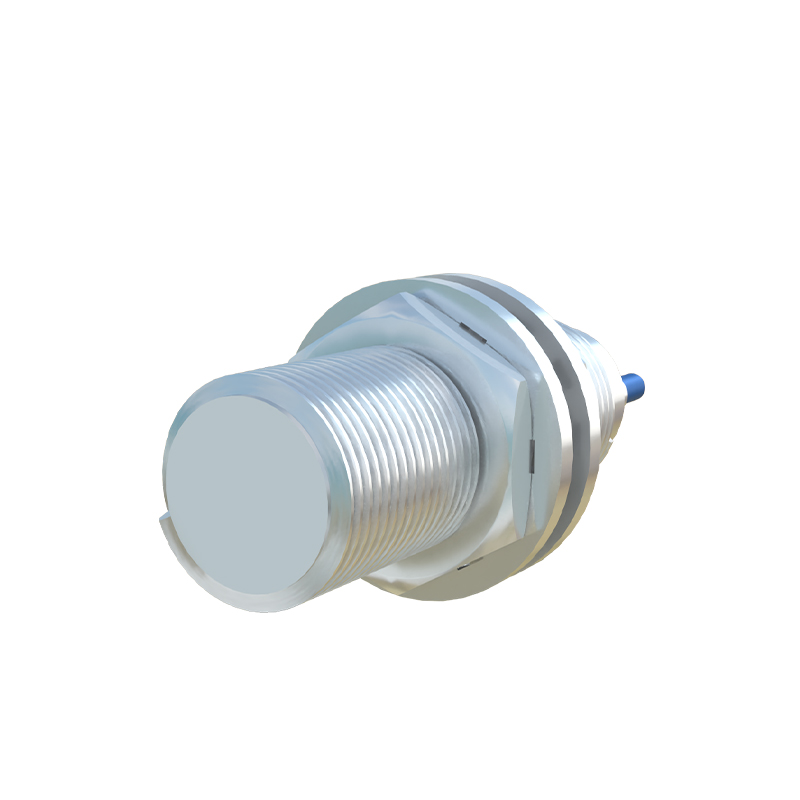
Omron from Japan is a benchmark for reliability and miniaturization. Their E2E and E2A series inductive proximity sensors are legendary for their consistent performance and long service life. Omron excels in producing incredibly small yet powerful sensors for tight spaces in electronics assembly and packaging machinery. Their focus on high-precision, high-speed detection makes them a favorite in robotics and high-cycle automation. The brand's global supply chain and technical support network are also significant advantages for multinational projects.
Balluff deserves special mention for its innovation in integrated functionality and ruggedness. Balluff sensors often incorporate multi-color LED status indicators, teach-in functions, and advanced diagnostics directly into compact housings. Their inductive sensors with hygienic designs (compliant with EHEDG and FDA standards) are essential for food, beverage, and pharmaceutical industries. Additionally, Balluff's expertise in RFID systems complements their proximity sensor range, offering seamless solutions for identification and sensing in one ecosystem.
While the brands above represent the top echelon, IFM Electronic and Rockwell Automation (Allen-Bradley) are also formidable contenders. IFM is praised for its user-friendly design and excellent diagnostic capabilities via its IO-Link ecosystem. Allen-Bradley's 871TM series offers seamless integration with Rockwell control platforms, providing unmatched compatibility and ease of configuration within their ecosystem.
Selecting the right brand depends on the specific application parameters: sensing distance, target material, environmental factors (temperature, chemicals, pressure), required output type (PNP/NPN, analog, IO-Link), and housing style. However, for engineers seeking a combination of proven reliability, technical support, and innovative features that reduce total cost of ownership, the brands listed here provide a solid foundation. Always consult the latest datasheets and, when possible, test the sensor in the actual operating environment to validate performance before full-scale deployment.