In industrial automation and machinery, proximity sensors play a critical role in non-contact detection, ensuring safety, precision, and efficiency. The market, however, is flooded with counterfeit and substandard components. Using a non-genuine proximity sensor can lead to system failures, inaccurate readings, safety hazards, and significant downtime, ultimately costing far more than the initial savings on a cheaper part. This guide details the tangible methods to verify authenticity and outlines reliable sourcing practices.
The first line of defense is a meticulous physical inspection. Genuine sensors from reputable manufacturers exhibit superior build quality. Examine the housing material; authentic sensors typically use high-grade plastics or metals with a consistent texture and color, free from mold marks or rough edges. Counterfeits often feel lighter and flimsier. The labeling is a key indicator. Legible, permanent laser etching of the part number, serial number, brand logo, electrical ratings, and certification marks (like CE, UL) is standard for originals. Peel-off stickers, smudged inkjet printing, or misspelled brand names are immediate red flags. Check the connector and cable. Genuine products feature robust, well-molded connectors that mate securely, with cables that have appropriate flexibility and jacket quality rated for the industrial environment.
Technical verification is the next crucial step. Every authentic sensor has a unique part number. Visit the official manufacturer's website and use their part number lookup or product verification tool. Input the exact part number and, if available, the serial number. The official database will confirm the product's specifications, manufacturing date, and authorized sales region. Cross-reference the sensor's stated specifications—such as sensing distance, output type (PNP/NPN), voltage range, and switching frequency—with the official datasheet. Counterfeits often fail to meet the precise performance tolerances listed. For instance, a genuine 10mm inductive sensor will consistently detect a standard target at that distance, while a fake may have a reduced or inconsistent range.
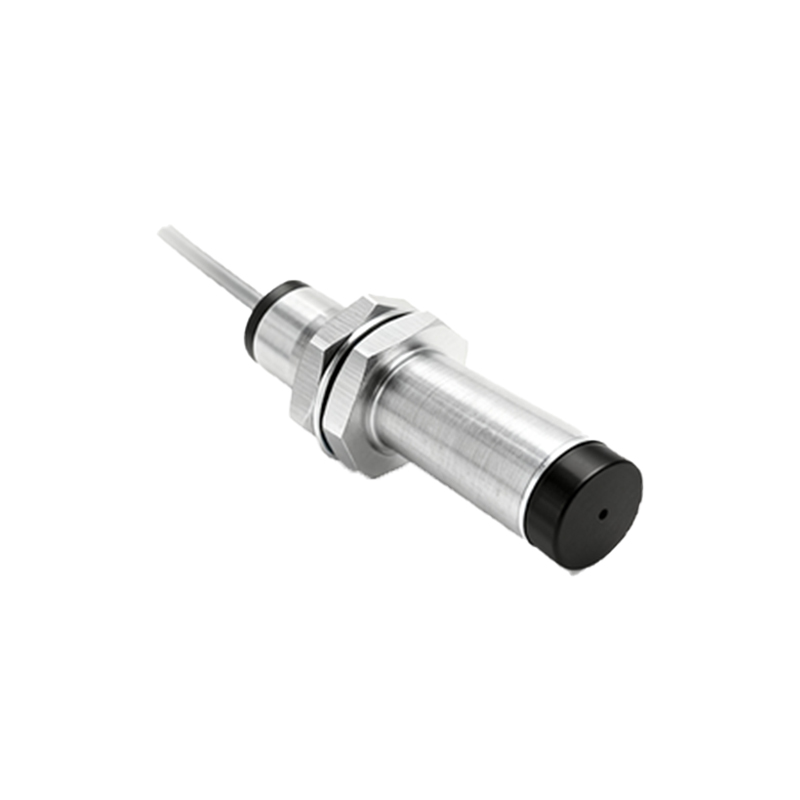
Performance testing under controlled conditions provides definitive proof. Using a calibrated oscilloscope or multimeter, measure the sensor's response time and output signal stability. Genuine sensors demonstrate repeatable, fast switching with clean signal edges. Test the actual sensing distance with the specified target material (e.g., mild steel for inductive sensors). A genuine product will perform within the tolerance band (often ±10%) of its advertised range. Also, subject it to minor environmental stresses relevant to its IP rating, like brief exposure to dust or water spray. A counterfeit with a falsified IP67 rating will likely show immediate signs of compromise.
Sourcing from authorized channels is the most effective preventive strategy. Always purchase from the manufacturer's official distributors or recognized industrial wholesalers listed on the brand's website. While online marketplaces can offer convenience, they are also havens for counterfeiters. If purchasing online, prefer the official storefront of the brand or its authorized partners on platforms like Amazon Business. Be wary of prices that seem too good to be true; genuine industrial components have a stable market value. Request and verify documentation, including original certificates of conformity, test reports, and a clear invoice from the seller. A reputable supplier will provide traceability.
Investing in genuine proximity sensors is an investment in system integrity. The cost of a machine stoppage, a flawed production batch, or a safety incident dwarfs the marginal price difference between a real and a fake component. By combining vigilant physical inspection, leveraging official verification tools, conducting basic performance checks, and insisting on authorized supply chains, engineers and procurement specialists can reliably secure authentic products. This diligence ensures operational reliability, protects capital equipment, and upholds safety standards, forming the bedrock of efficient and sustainable automation.