In the realm of industrial automation, precision, reliability, and durability are non-negotiable. Among the myriad of components that ensure seamless operation, proximity sensors stand as critical sentinels, detecting the presence or absence of objects without physical contact. The Omron E2B-M30LN30 is a prominent example of such technology, engineered to meet rigorous industrial demands. This article delves into the specifications, operational principles, application scenarios, and advantages of this inductive proximity sensor.
The E2B-M30LN30 is a cylindrical, shielded (flush-mountable), inductive proximity sensor with a 30mm diameter. Its model designation provides key insights: "M30" indicates the housing diameter, "L" typically refers to a standard sensing distance in this series, and "N30" specifies the electrical output and connection type. This sensor operates on a standard DC supply voltage, commonly 10-30 VDC, and features a normally open (NO) PNP output configuration. The sensing distance is rated at 15mm for a standard target, which is a square iron plate of 1mm thickness. It is crucial to note that the effective sensing distance can be influenced by the target material; inductive sensors are primarily sensitive to ferrous metals, with reduced range for non-ferrous metals like aluminum or copper.
The core technology behind the E2B-M30LN30 is electromagnetic induction. The sensor's face contains an oscillator coil that generates a high-frequency electromagnetic field. When a metallic target enters this field, eddy currents are induced on the target's surface. This causes a load on the oscillator, which is detected by the sensor's circuitry. Subsequently, the output state switches, sending a signal to the connected controller, such as a PLC. Being a shielded type, the electromagnetic field is concentrated at the front face. This allows for flush mounting in metal without false triggering, making it ideal for space-constrained installations where the sensor head must be embedded.
Durability is a hallmark of this sensor. Housed in a robust stainless steel body, it boasts an IP67 rating (IEC standards), meaning it is completely protected against dust ingress and can withstand temporary immersion in water up to 1 meter for 30 minutes. This makes it suitable for harsh environments commonly found in machine tools, material handling systems, and automotive assembly lines where exposure to coolants, oils, and metal chips is frequent. The sensor also features built-in protection against short-circuit, reverse polarity, and surge voltages, enhancing its longevity and reducing downtime.
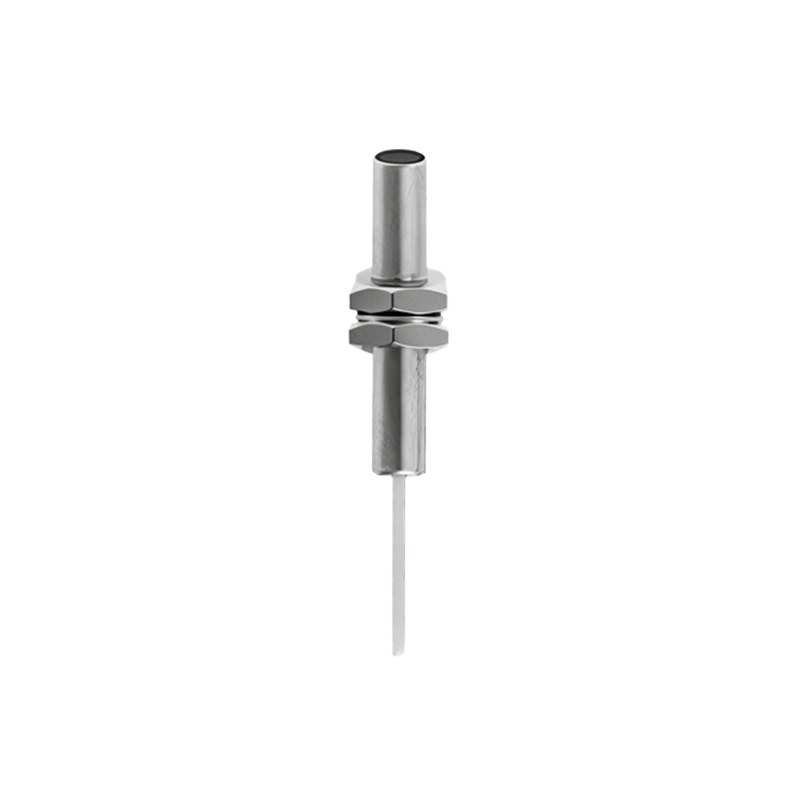
Wiring and installation are straightforward. The E2B-M30LN30 typically comes with a pre-wired 2-meter cable or a connector version. The standard 3-wire configuration includes Brown (power+), Blue (power-), and Black (output signal). For the PNP type, the black wire outputs a positive voltage when a target is detected. LED indicators on the sensor body provide visual confirmation of power status and output activation, aiding in quick setup and troubleshooting.
Application areas for the E2B-M30LN30 are vast. It is extensively used for position detection, such as verifying if a robotic gripper has picked up a part, or confirming the end position of a cylinder. It serves in counting applications on conveyor belts, detecting metal parts as they pass by. In automated packaging machinery, it can sense the presence of metallic components or foil seals. Its robust construction also makes it perfect for use in CNC machining centers for tool presence detection or pallet positioning.
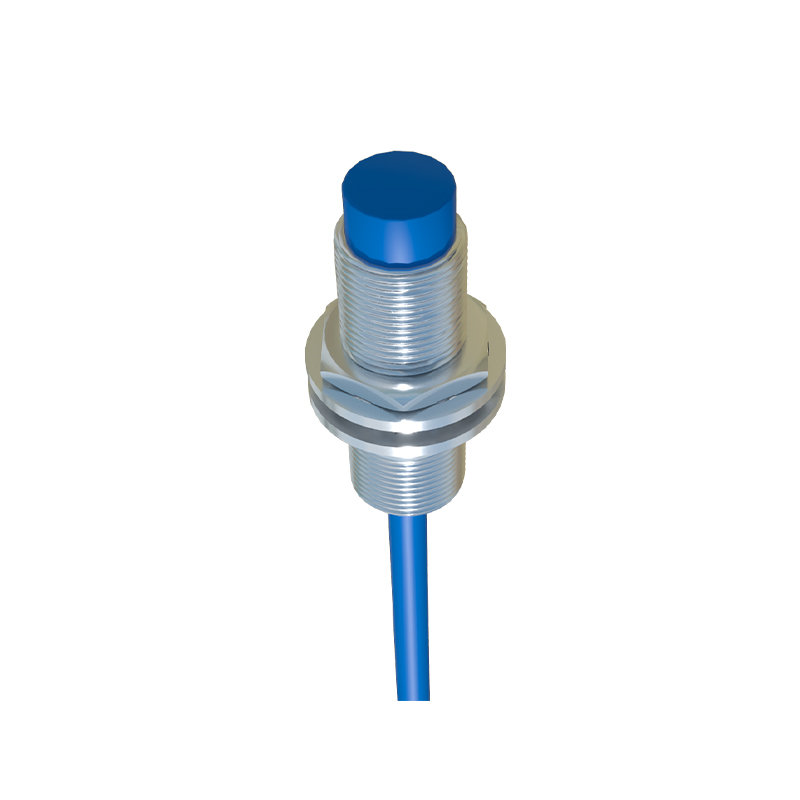
When selecting a sensor like the E2B-M30LN30, engineers must consider several factors beyond the basic specifications. The target material and size must be compatible. The operating frequency, or switching speed, is sufficient for high-speed production lines. Environmental factors like ambient temperature, which this sensor handles within a standard industrial range (e.g., -25 to 70°C), and potential interference from other electromagnetic sources must also be evaluated. Compared to capacitive or ultrasonic sensors, inductive types like the E2B-M30LN30 offer exceptional stability and repeatability for metal sensing but are not suitable for non-metallic objects.
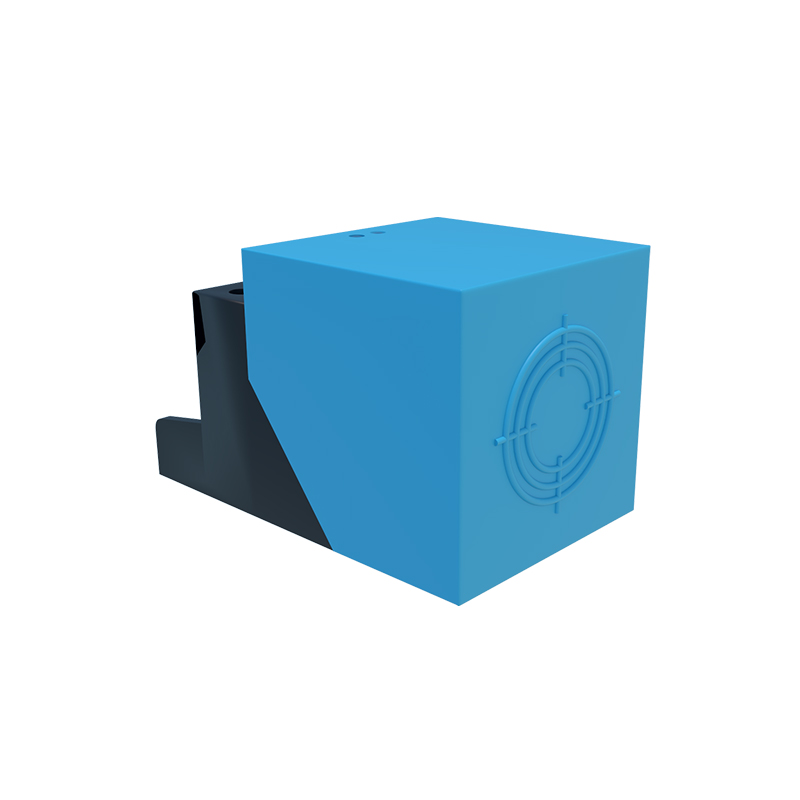
In conclusion, the Omron E2B-M30LN30 proximity sensor represents a blend of robust mechanical design, reliable sensing technology, and practical features tailored for industrial automation. Its ability to perform consistently in demanding conditions, coupled with easy integration, makes it a trusted component for engineers designing systems that require accurate, non-contact detection of metallic objects. Understanding its parameters and proper application is key to leveraging its full potential in creating efficient, fault-resistant automated processes.