In industrial automation and precision measurement, laser sensors play a pivotal role due to their accuracy, speed, and reliability. One critical parameter that significantly influences sensor performance is brightness. Often referred to as luminous intensity or output power in technical contexts, brightness in laser sensors is not merely about visible light perception but encompasses the emitted optical power density, which directly affects detection capability, signal-to-noise ratio, and operational range.
Laser sensor brightness is primarily determined by the laser diode's output power, measured in milliwatts (mW) or watts (W), and the focusing optics that concentrate the beam. Higher brightness typically correlates with a more intense, coherent beam, enabling the sensor to detect smaller objects, penetrate challenging environmental conditions like dust or steam, and maintain stability over longer distances. For instance, in manufacturing lines, bright laser sensors can accurately identify minuscule defects on high-speed moving parts, whereas lower brightness sensors might struggle with signal degradation.
However, excessive brightness is not always advantageous. In applications involving reflective surfaces or sensitive materials, overly bright lasers can cause saturation of the receiver, leading to measurement errors or even material damage. Therefore, selecting the appropriate brightness level requires a balance based on factors such as target reflectivity, ambient light interference, required precision, and safety standards. Many modern laser sensors incorporate adjustable power settings or automatic gain control to optimize brightness dynamically, ensuring consistent performance across varying conditions.
From a technical perspective, brightness is closely linked to wavelength and beam divergence. Shorter wavelengths (e.g., blue or violet lasers) often appear brighter to some detectors and can offer better resolution for fine details. Meanwhile, a well-collimated beam with low divergence maintains high brightness over distance, which is crucial for applications like long-range scanning or alignment in construction and aerospace. Engineers must evaluate these parameters alongside brightness to achieve optimal sensor integration.

In practice, industries such as automotive, electronics, and pharmaceuticals rely on laser sensors with tailored brightness for tasks like weld inspection, component placement, and packaging verification. For example, in automated assembly, a laser sensor with moderate brightness might be used for proximity detection on non-reflective surfaces, while high-brightness sensors are deployed for barcode reading under dim lighting. Regular calibration and maintenance are essential to sustain brightness levels, as laser diodes can degrade over time, affecting output consistency.

Emerging trends, including the integration of smart sensors with IoT platforms, are further refining brightness management. These systems use real-time data analytics to adjust laser parameters, predictive maintenance alerts for brightness decay, and enhanced safety features to comply with international regulations like IEC 60825 for laser product safety. As technology advances, the focus is shifting toward energy-efficient lasers that deliver high brightness with lower power consumption, reducing operational costs and environmental impact.
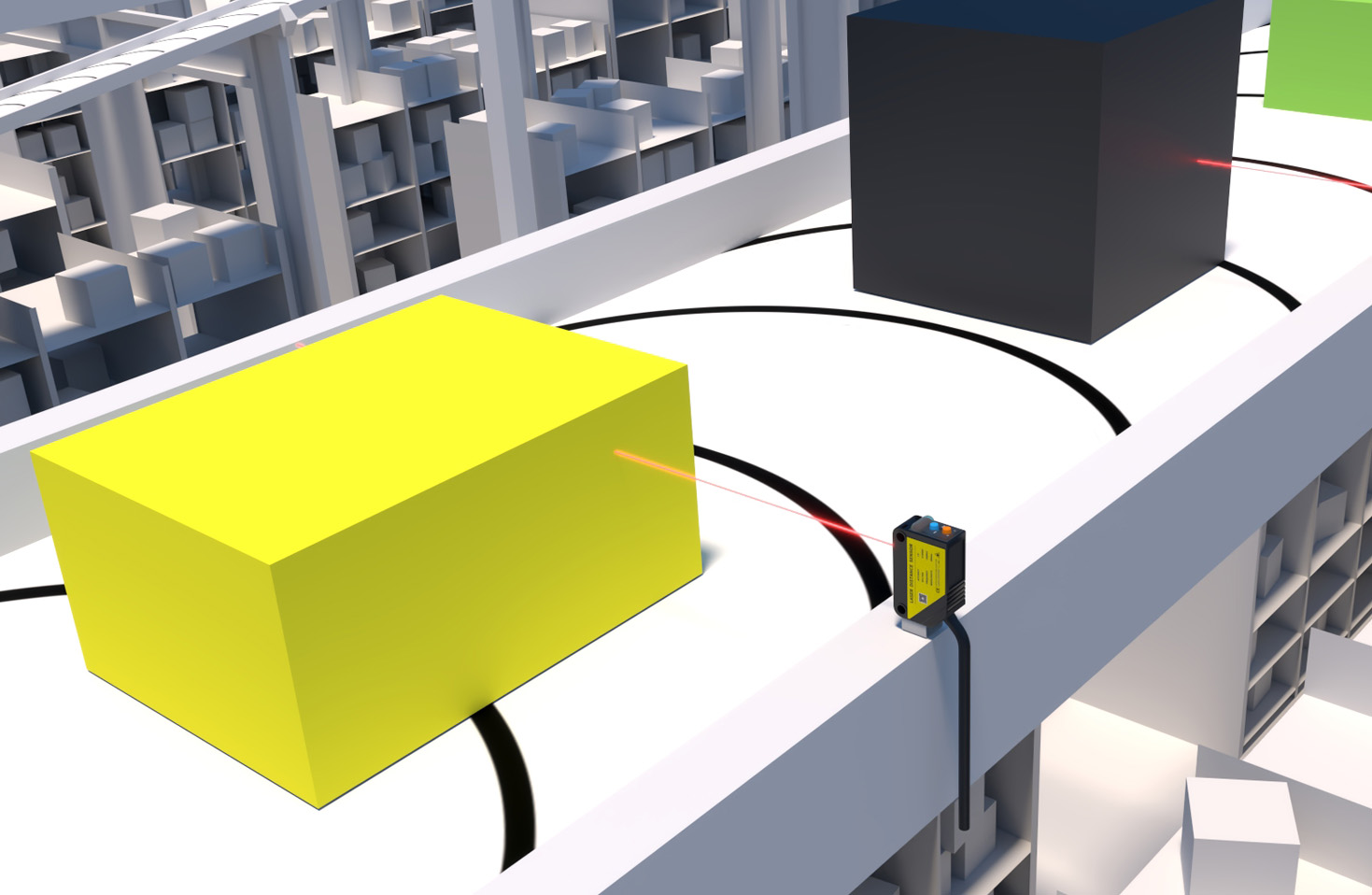
Ultimately, understanding and optimizing laser sensor brightness is key to maximizing efficiency and accuracy in industrial settings. By considering application-specific needs and leveraging advancements in laser technology, engineers can deploy sensors that not only meet but exceed performance expectations, driving innovation in automation and quality control.