In the realm of industrial automation and smart systems, proximity sensors stand as silent yet indispensable sentinels. These non-contact detection devices are engineered to identify the presence or absence of an object within a specified range without any physical contact. Their utility spans across countless applications, fundamentally enhancing efficiency, safety, and precision in automated processes.
The core function of a proximity sensor is to detect a target object and convert this detection into an electrical signal. This is achieved through various technologies, each suited to specific environmental conditions and material types. The most prevalent types include inductive, capacitive, ultrasonic, and photoelectric sensors. Inductive sensors are champions in metal detection, generating an electromagnetic field to sense ferrous and non-ferrous metals. They are exceptionally robust, making them ideal for harsh manufacturing environments like automotive assembly lines or metal machining centers, where they count parts, control rotational speed, or verify positioning.
Capacitive sensors, on the other hand, can detect a wider variety of materials, including liquids, plastics, glass, and wood. They operate by measuring changes in capacitance. This makes them perfect for applications in packaging, food and beverage processing, and chemical plants, where they can monitor fill levels in non-metallic containers or detect transparent films on production lines.
Photoelectric sensors use a beam of light, typically infrared, to detect objects. Their long sensing range and high speed are invaluable in material handling, logistics, and packaging. They can differentiate between colors or detect minute objects, ensuring precise sorting and quality control. Ultrasonic sensors emit high-frequency sound waves and measure the echo's return time. They excel in challenging conditions involving dust, smoke, or varying colors and surfaces, commonly used for distance measurement, palletizing, and level sensing in tanks.
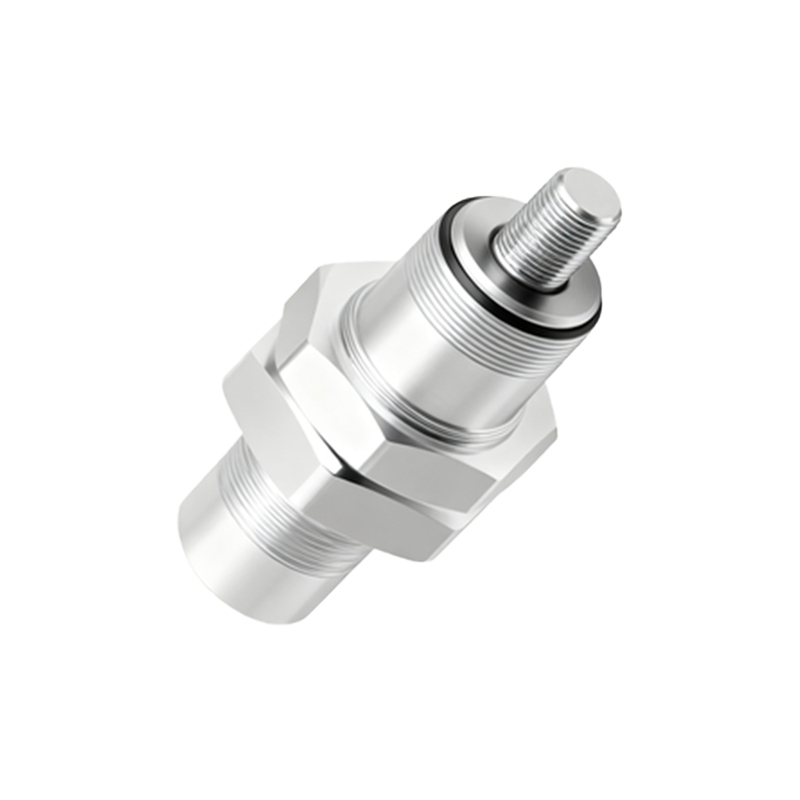
The primary purposes and benefits of integrating proximity sensors are multifaceted. First and foremost is Enhanced Safety. By enabling non-contact detection, they eliminate the risk of mechanical damage from physical switches and can create safety zones around hazardous machinery, triggering shutdowns if a person or object enters a dangerous area.
Improved Reliability and Longevity is another critical advantage. With no moving parts to wear out from physical contact, proximity sensors offer a significantly longer operational life compared to mechanical limit switches. They are less susceptible to contamination from oil, coolant, or dust when properly selected and housed.
Operational Efficiency and Precision are dramatically boosted. These sensors provide high-speed, repeatable detection crucial for modern high-throughput production. They enable precise positioning of robotic arms, accurate counting on high-speed conveyor belts, and consistent quality checks. This precision minimizes waste and optimizes cycle times.
Furthermore, they facilitate Process Automation and Data Collection. As a fundamental input device in a PLC (Programmable Logic Controller) system, the signal from a proximity sensor initiates complex automated sequences. The data from networks of sensors can be fed into supervisory systems for real-time monitoring, predictive maintenance, and overall equipment effectiveness (OEE) calculations.
From the precise robotic welding in an automotive plant to the silent counting of pills in a pharmaceutical blister machine, from ensuring your elevator doors do not close on someone to verifying a smartphone component is present before assembly, proximity sensors are the unseen facilitators. Their role is not merely functional but transformative, forming the essential sensory layer of the Internet of Things (IoT) in industrial settings. By providing reliable, continuous feedback about the physical world, they allow control systems to make intelligent decisions, driving productivity and innovation in virtually every sector of modern industry.