In the realm of industrial automation, safety light curtains and proximity sensors are indispensable components for safeguarding personnel and ensuring operational continuity. As an electrical engineer with extensive field experience, I often encounter inquiries regarding the pricing of these critical devices. The cost is not a singular figure but a complex equation influenced by a multitude of technical and commercial factors. A clear understanding of these variables is essential for making informed procurement decisions that balance safety, performance, and budget.
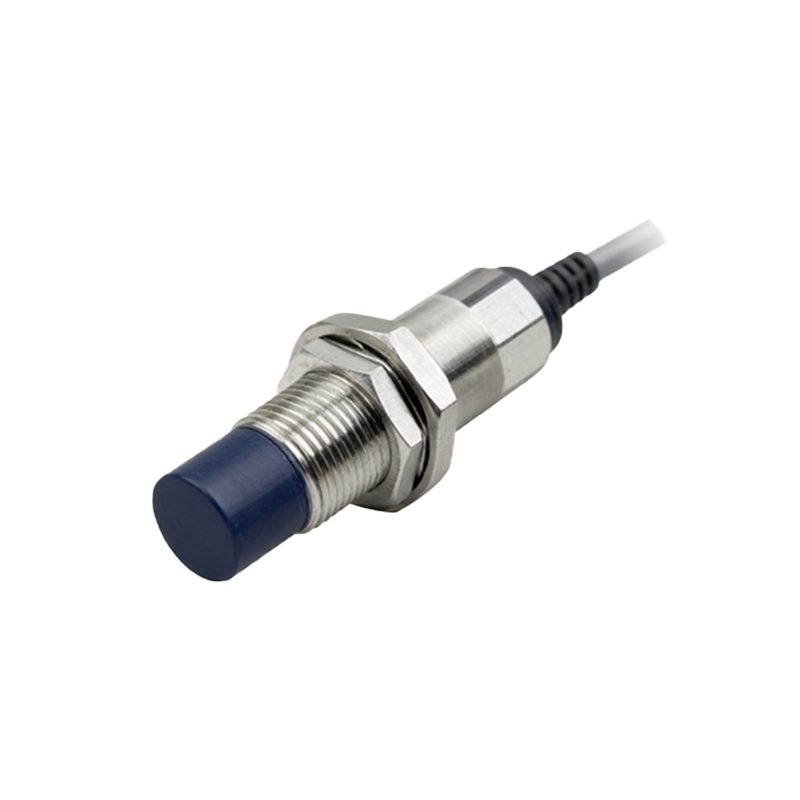
Firstly, the core technology and performance specifications are primary cost drivers. For safety light curtains, the resolution, measured as the distance between individual light beams, directly impacts price. Finer resolutions (e.g., 14mm, 20mm) for finger and hand protection are typically more expensive than coarser resolutions (e.g., 40mm, 90mm) for body protection. The protective height, or the vertical length of the detection field, also scales the cost. Similarly, the sensing range—the maximum distance between the transmitter and receiver—affects the design complexity and material requirements. For proximity sensors, the sensing technology (inductive, capacitive, ultrasonic, or photoelectric) dictates the base price. Inductive sensors for metal detection are generally cost-effective, while specialized capacitive sensors for non-metallic materials or long-range photoelectric sensors command a premium. The housing material, such as stainless steel for harsh environments versus nickel-plated brass or PBT plastic, adds another layer of cost differentiation.
Secondly, safety integrity level (SIL) and Performance Level (PL) ratings according to standards like IEC 61496 and ISO 13849 are crucial. Devices certified for higher SIL (e.g., SIL 3) or PL (e.g., PL e) involve more rigorous design, redundant circuitry, and extensive testing, significantly increasing their manufacturing cost compared to basic non-safety-rated presence sensors. A safety light curtain with a Type 4 (highest) classification is inherently more expensive than a Type 2 device.
Thirdly, functional features and integration capabilities contribute to the price. Advanced diagnostics, muting functions (for allowing material passage without tripping), blanking (fixed or floating), and connectivity options (IO-Link, Ethernet/IP, PROFINET, etc.) add value and cost. A simple on/off output sensor is far less expensive than a smart sensor with digital communication and parameterization features. The brand reputation and the associated global support network, certification services, and warranty terms also influence the market price. Established market leaders often price their products higher due to proven reliability and extensive support.
Furthermore, the procurement channel and order volume play significant roles. Purchasing directly from an authorized distributor or the OEM may offer different pricing tiers. Bulk orders for large-scale projects typically secure substantial discounts compared to one-off purchases. It is also vital to consider the total cost of ownership, which includes not just the initial purchase price but also installation costs, maintenance, and potential downtime costs. A marginally cheaper sensor with a higher failure rate can be exponentially more expensive in the long run.
In summary, requesting a "quote for a safety light curtain or proximity sensor" requires specifying the application's detailed requirements: the object to be detected, required safety level, environmental conditions (dust, moisture, temperature), necessary range and resolution, and desired features. Prices can range from tens of dollars for a standard inductive proximity sensor to several thousand dollars for a high-performance, full-height safety light curtain system. Engaging with technical sales engineers early in the design phase is recommended to select the most cost-effective and compliant solution. Always prioritize certified products that meet the relevant machinery safety directives for your region, as the cost of non-compliance—both human and financial—can be catastrophic.