In modern industrial environments, precise temperature monitoring is critical for ensuring operational efficiency, safety, and product quality. Among the advanced tools available, belt laser temperature sensors have emerged as a reliable solution for non-contact temperature measurement in various applications, particularly in conveyor belt systems. These sensors utilize infrared laser technology to detect and measure the surface temperature of moving objects without physical contact, making them ideal for harsh or hazardous environments where traditional sensors may fail.
The core principle behind belt laser temperature sensors involves the detection of infrared radiation emitted by the target object. Every object with a temperature above absolute zero emits infrared energy, and the intensity of this radiation correlates directly with its temperature. The sensor focuses a laser beam onto the target area—such as a conveyor belt carrying materials like coal, ore, or manufactured goods—and uses an optical system to collect the emitted infrared radiation. This data is then processed through algorithms to calculate the exact surface temperature, displayed in real-time on connected monitoring systems. One key advantage is the ability to measure temperatures from a distance, reducing wear and tear and minimizing downtime for maintenance.
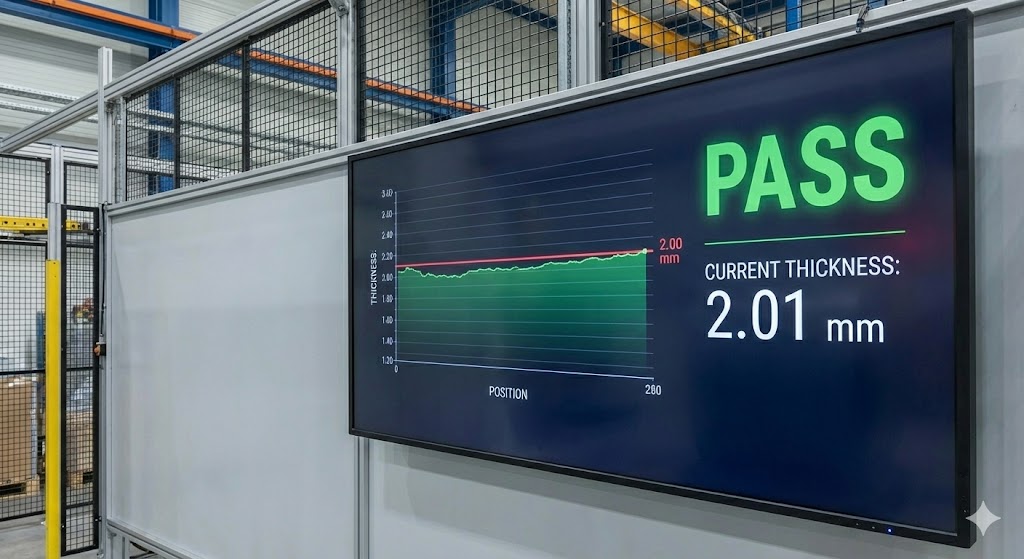
Industrial applications of belt laser temperature sensors are diverse. In mining and material handling, they monitor overheating of conveyor belts caused by friction or material spillage, preventing fires and belt damage. In food processing, these sensors ensure that products on conveyor lines, such as baked goods or frozen items, maintain required temperature ranges for safety and compliance. Manufacturing sectors use them to monitor machinery components, like motors or bearings, for early signs of overheating that could lead to failures. The sensors are designed to withstand extreme conditions, including dust, moisture, and high ambient temperatures, often featuring rugged enclosures and protective coatings.
When selecting a belt laser temperature sensor, engineers consider factors such as measurement range, accuracy, response time, and environmental ratings. Typical models offer ranges from -50°C to over 1000°C, with accuracies within ±1% of the reading. Fast response times, often in milliseconds, enable real-time monitoring and rapid adjustments in automated systems. Integration with industrial networks, like PLCs or SCADA systems, allows for seamless data logging and alerting, enhancing predictive maintenance strategies. For instance, if a sensor detects an abnormal temperature rise on a conveyor belt, it can trigger an alarm or automatically shut down the system to prevent accidents.
Installation and calibration are straightforward but require attention to detail. Sensors should be mounted at an optimal distance and angle to ensure the laser targets the correct area without interference from ambient light or reflective surfaces. Regular calibration against known temperature sources maintains accuracy over time. Maintenance typically involves cleaning the lens and checking connections, as the non-contact design reduces physical degradation. Compared to contact sensors like thermocouples, belt laser sensors offer longer lifespans and lower operational costs, though they may be more sensitive to environmental factors like steam or dust, which can be mitigated with proper housing and filters.
In summary, belt laser temperature sensors represent a significant advancement in industrial temperature monitoring. By providing accurate, non-contact measurements in real-time, they contribute to safer and more efficient operations across sectors. As industries continue to automate and digitize, the adoption of such sensors is expected to grow, driven by their reliability and integration capabilities. For engineers and operators, understanding their functionality and best practices ensures optimal performance and a strong return on investment in maintaining critical infrastructure.