Proximity sensors are indispensable components in modern industrial automation, offering non-contact detection capabilities that enhance efficiency, safety, and reliability. These sensors detect the presence or absence of objects within a specified range without physical contact, making them ideal for harsh environments where contamination, wear, or mechanical stress are concerns. Based on their operational principles—such as inductive, capacitive, ultrasonic, and magnetic types—proximity sensors exhibit distinct characteristics tailored to diverse applications. Here, we explore seven essential features that define their performance and utility in industrial settings.
First, high precision and accuracy stand out as fundamental attributes. Proximity sensors provide consistent detection with minimal error margins, ensuring precise positioning and measurement in processes like assembly line control or robotic guidance. For instance, inductive sensors can detect metallic objects with millimeter-level accuracy, while capacitive variants excel in sensing non-metallic materials like plastics or liquids. This reliability reduces production errors and supports quality assurance protocols.
Second, durability and robust construction enable operation in demanding conditions. Many proximity sensors are built with stainless steel housings, sealed against dust, moisture, and chemicals. They withstand temperature extremes, vibration, and mechanical shocks, which is critical in industries like automotive manufacturing or heavy machinery. This resilience translates to lower maintenance costs and extended service life, minimizing downtime.
Third, fast response times contribute to enhanced operational speed. Proximity sensors react within milliseconds, allowing real-time detection in high-speed applications such as packaging, sorting, or conveyor systems. This swift response ensures seamless automation cycles, boosting throughput and productivity without compromising safety.
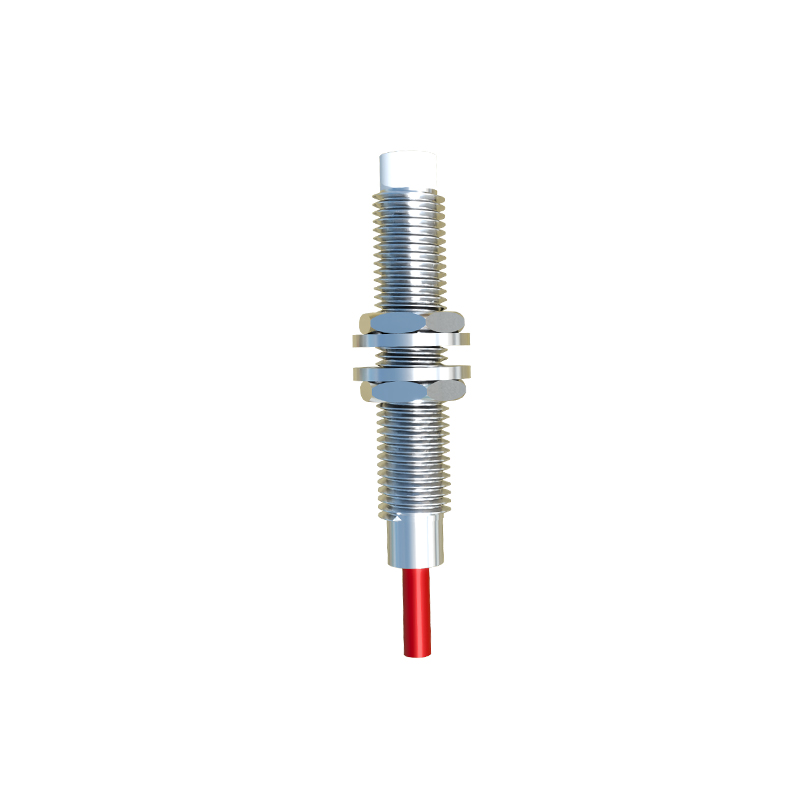
Fourth, versatility in sensing ranges and materials broadens their applicability. Depending on the type, proximity sensors can detect objects from a few millimeters to several meters away. Inductive sensors are limited to metals, but capacitive and ultrasonic sensors handle diverse materials, including glass, wood, or granular substances. This flexibility supports customization for specific tasks, from liquid level monitoring to object counting.
Fifth, energy efficiency aligns with sustainable industrial practices. Modern proximity sensors consume minimal power, often incorporating low-energy designs or sleep modes. This reduces overall energy costs and supports integration into battery-operated or eco-friendly systems, such as smart infrastructure or renewable energy installations.
Sixth, easy integration and compatibility with control systems simplify implementation. Most proximity sensors feature standardized outputs (e.g., PNP/NPN, analog, or IO-Link) and mounting options, facilitating connections to PLCs, HMIs, or IoT networks. Plug-and-play designs and diagnostic capabilities further streamline installation and troubleshooting, reducing setup time and technical barriers.
Seventh, safety enhancements make them vital for risk mitigation. By enabling non-contact detection, proximity sensors prevent accidents in hazardous areas—for example, by halting machinery when humans approach or monitoring forbidden zones. They comply with international safety standards (e.g., IEC 60947), ensuring reliable performance in emergency scenarios and fostering a secure work environment.
In summary, proximity sensors combine precision, durability, speed, versatility, efficiency, integration ease, and safety to drive industrial innovation. As technology advances, features like smart sensing and wireless connectivity will further expand their role, solidifying their status as core elements in automation ecosystems. Engineers and operators should evaluate these characteristics when selecting sensors to optimize system performance and achieve long-term operational goals.