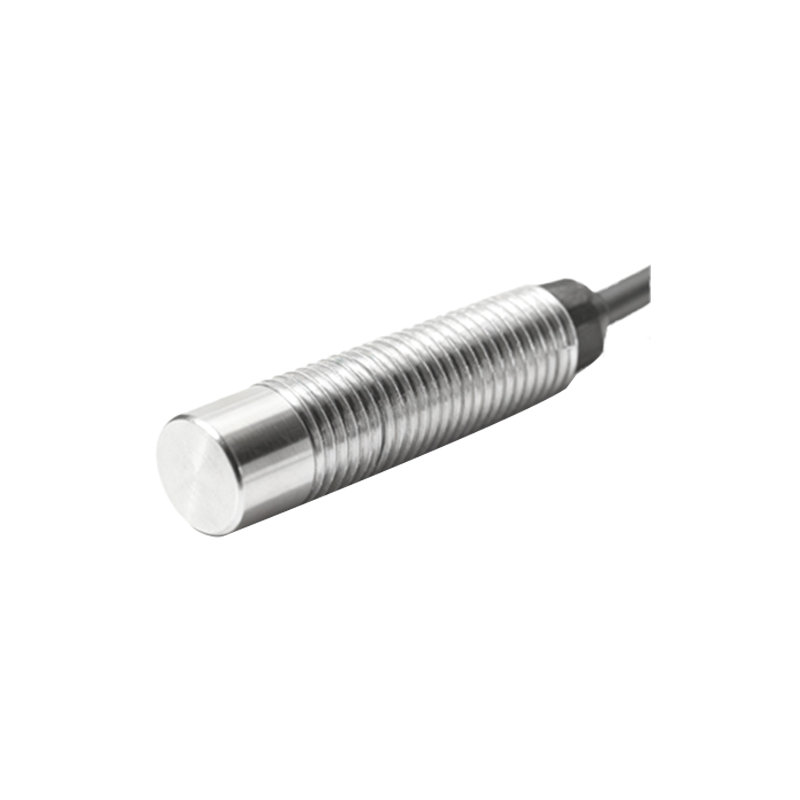
In the complex landscape of industrial automation, selecting the right sensor is a critical decision that impacts both operational efficiency and long-term cost. Among the various options, anti-interference proximity sensors have become indispensable for reliable object detection in electrically noisy environments. A common and crucial question from procurement specialists and design engineers alike is: "What factors into the price of these sensors?" The answer is multifaceted, extending far beyond a simple base unit cost.
Firstly, the core technology defines a significant portion of the cost. Inductive proximity sensors, the most common type for metal detection, vary in price based on their switching frequency, sensing distance, and housing material. Models with enhanced shielding and specialized circuitry designed to reject electromagnetic interference (EMI) and radio frequency interference (RFI) from variable frequency drives (VFDs), welding equipment, or heavy motors command a premium. Capacitive sensors, used for non-metallic materials, often involve more complex calibration and materials, influencing their price point. Furthermore, sensors with advanced diagnostics, such as IO-Link communication, which provides detailed operational data and parameter setting capabilities, are inherently more expensive than standard two-wire or three-wire DC models.
The physical construction and environmental ratings are equally decisive. A sensor with a robust stainless-steel housing, rated for IP67, IP68, or IP69K for protection against dust, high-pressure water jets, and chemical exposure, will cost more than a standard plastic-bodied sensor rated for IP65. The required sensing range also plays a role; a long-range sensor (e.g., 15mm vs. 5mm for the same housing size) often utilizes different coil designs and electronics, affecting the price. Additionally, the form factor—be it cylindrical, rectangular, or slot-style—impacts manufacturing complexity.
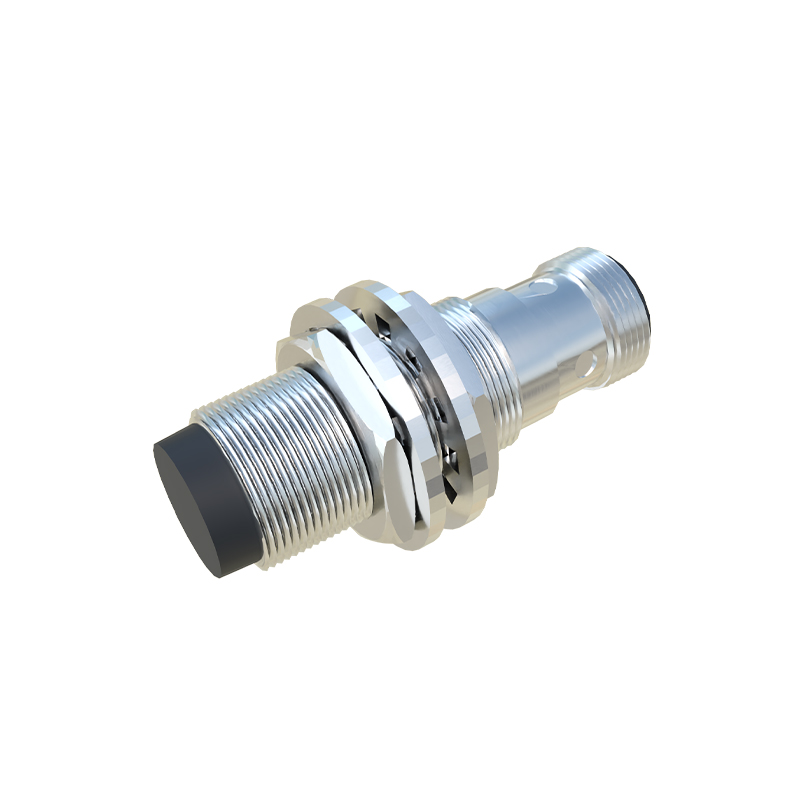
Brand reputation and supply chain considerations are unavoidable economic factors. Established manufacturers with a proven track record of reliability, extensive R&D investment, and global technical support typically have higher price points. This cost often reflects consistent quality, longer mean time between failures (MTBF), and comprehensive warranties. Conversely, generic or lesser-known brands may offer lower initial purchase prices, but potential risks include inconsistent performance, shorter lifespans, and limited availability of replacement units. Lead times can also affect effective cost; a readily available sensor from a local distributor might present a better total cost of ownership than a cheaper one with a 20-week delivery delay that halts a production line.
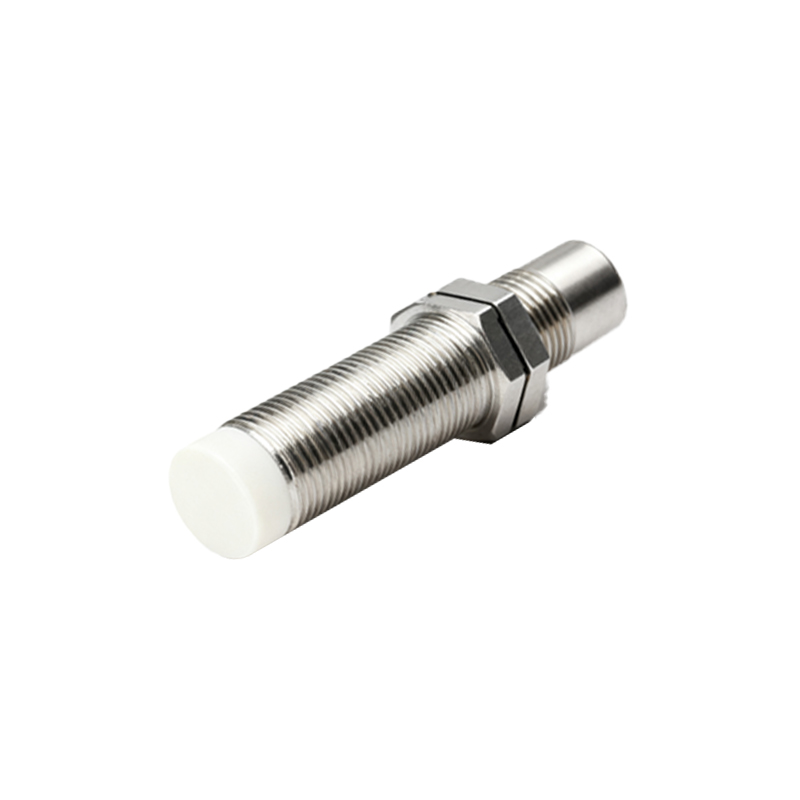
Finally, the total cost of ownership (TCO) is the most critical financial perspective. The initial purchase price is just one component. Engineers must consider installation costs, maintenance requirements, and the potential cost of downtime due to sensor failure. A higher-priced, anti-interference sensor that operates flawlessly for years in a challenging environment prevents costly false triggers, machine stoppages, and product quality issues. Factors like connector types (pre-wired vs. quick-disconnect), mounting accessories, and compatibility with existing control systems all feed into the installation and integration expense.
In conclusion, the quotation for an anti-interference proximity sensor is a synthesis of its technological sophistication, ruggedness, brand value, and logistical support. A detailed specification sheet is the starting point for any accurate comparison. Specifiers should clearly define the application requirements: target material, required sensing distance, environmental conditions (temperature, contaminants, washdown), electrical noise sources, and output type needed. Presenting this information to suppliers will yield comparable quotes and illuminate the value proposition behind each price point, guiding a selection that optimizes both performance and economic efficiency for the long run.