In the rapidly evolving landscape of industrial automation and control systems, Hall Effect proximity sensors have emerged as indispensable components. These non-contact sensors, which detect the presence of magnetic objects by utilizing the Hall Effect principle, are critical for applications ranging from position sensing and speed detection to current measurement and safety interlocks. The global market for these sensors is served by a diverse array of manufacturers, each contributing to innovation, reliability, and the expanding frontiers of application.
Leading manufacturers in this sector are typically characterized by their deep expertise in semiconductor technology and precision engineering. Companies like Honeywell, TE Connectivity, and Allegro Microsystems have established themselves as pioneers. They invest heavily in research and development to enhance sensor sensitivity, temperature stability, and miniaturization. For instance, advancements in integrated circuit (IC) design have led to sensors with built-in signal conditioning, reducing the need for external components and simplifying system integration. This trend is crucial for industries like automotive, where Hall sensors are integral to anti-lock braking systems (ABS), transmission systems, and electric power steering.
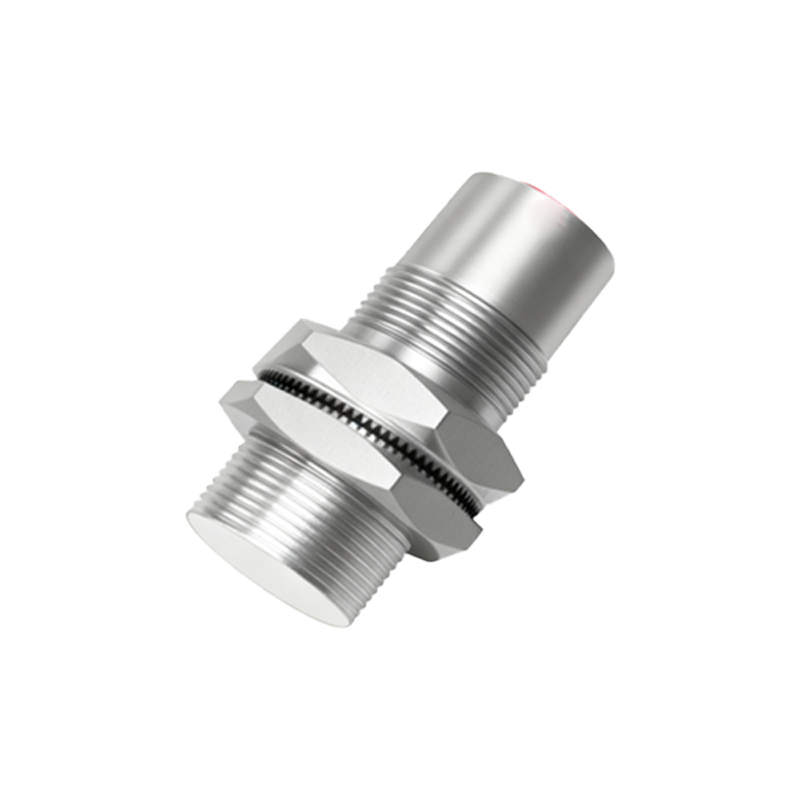
The production process for Hall Effect proximity sensors is a meticulous blend of semiconductor fabrication and assembly. It begins with the creation of the Hall element, a thin sheet of conductive material, on a silicon wafer. Photolithography and doping processes define its precise characteristics. This element is then packaged alongside necessary electronics, which may include amplifiers, voltage regulators, and output drivers, into a robust housing suitable for industrial environments. Manufacturers must adhere to stringent quality standards, such as ISO/TS 16949 for automotive parts or IEC standards for industrial safety, ensuring performance under extreme temperatures, vibrations, and electromagnetic interference.
A key differentiator among manufacturers is their product portfolio specialization. Some focus on standard, cost-effective digital output sensors for high-volume applications like consumer electronics or basic industrial counting. Others excel in producing highly analog linear sensors with precise, continuous output voltage proportional to magnetic field strength, essential for precision motion control in robotics and aerospace. Furthermore, the rise of Industry 4.0 and the Industrial Internet of Things (IIoT) has pushed manufacturers to develop smart sensors with digital interfaces (like I2C or SPI), self-diagnostic capabilities, and connectivity features.
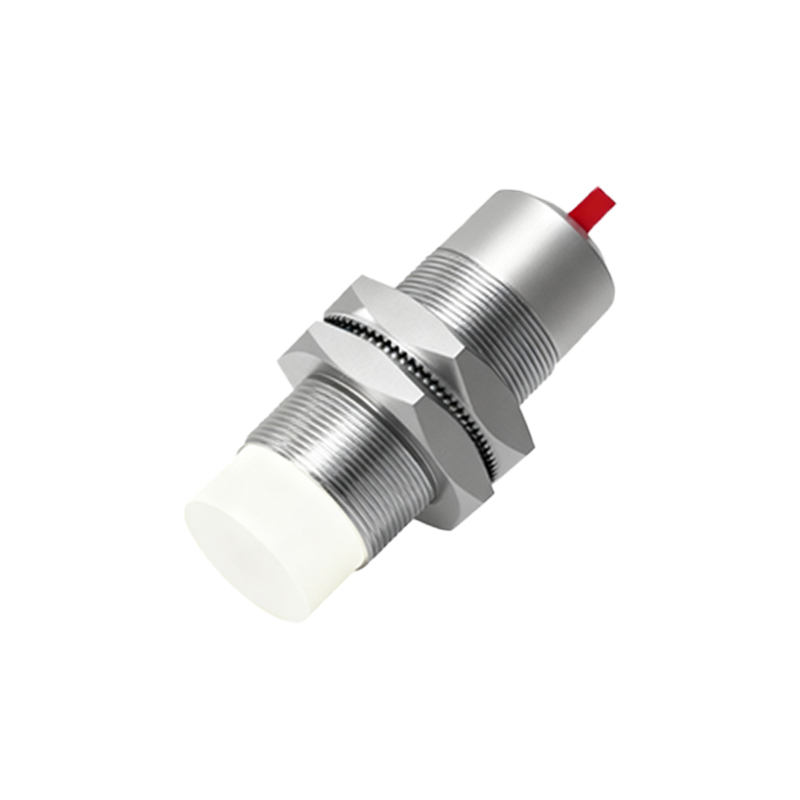
Choosing the right manufacturer depends on several technical and commercial factors. Engineers must evaluate specifications such as operating voltage range, output type (sinking or sourcing), switching frequency, and sensing distance. Equally important are the supply chain reliability, technical support, and the manufacturer's ability to provide custom solutions. Geographic presence is also a consideration, as local support can expedite prototyping and troubleshooting.
The competitive landscape is dynamic, with innovation driving growth. Emerging trends include the development of ultra-miniature sensors for wearable medical devices, high-temperature sensors for downhole drilling equipment, and sensors with enhanced EMC robustness for electric vehicle powertrains. Environmental regulations are also pushing manufacturers toward lead-free and RoHS-compliant production processes.
In conclusion, Hall Effect proximity sensor manufacturers are at the heart of modern electromechanical system design. Their continuous innovation in materials science, packaging, and integrated functionality not only meets current industrial demands but also enables next-generation applications. For system designers and procurement specialists, maintaining awareness of the technological roadmaps and capabilities of these key players is essential for developing competitive, reliable, and efficient automated systems. Collaboration between sensor manufacturers and end-users will continue to be vital in solving complex sensing challenges across diverse industries.