In the realm of industrial automation and electrical engineering, proximity sensors stand as fundamental components for non-contact detection. A proximity sensor model, fundamentally, is a specific designation that encapsulates a sensor's core technology, electrical characteristics, physical form, and performance specifications. This model number is the key identifier that allows engineers to select the precise component for an application, ensuring reliability, safety, and efficiency in systems ranging from assembly lines to complex machinery.
The anatomy of a proximity sensor model code is not arbitrary; it is a structured language developed by manufacturers to convey critical information. While formats vary between brands like Omron, Siemens, Schneider Electric, or Allen-Bradley, common elements are typically encoded. The model usually begins with a series prefix indicating the product family or technology type. For instance, 'E2E' might denote a cylindrical inductive sensor, while 'BES' could indicate a rectangular form factor. Following this, numerical sequences often specify sensing distance, such as '5' for 5mm or '10' for 10mm. Subsequent letters and numbers detail the electrical output type—crucial for integration. Codes like 'N' or 'PNP' signify a sinking (NPN) or sourcing (PNP) transistor output, while '2' might indicate a two-wire AC/DC configuration. Other suffixes can define housing material (e.g., 'M' for metal, 'P' for plastic), connection style (e.g., 'C' for connector, 'W' for pre-wired), and special functions like short-circuit protection, weld-field immunity, or IO-Link communication capability.
Understanding the technology behind the model is paramount. The three primary types are Inductive, Capacitive, and Magnetic (Reed or Hall Effect). An inductive sensor model, for example, will only detect metallic objects. Its model number implicitly defines its operating frequency, shield/non-shield design (which affects flush mounting capability), and target material correction factors (for steel, aluminum, etc.). A capacitive sensor model, designed for detecting non-metallic materials like liquids, plastics, or wood, will have specifications for dielectric constant sensitivity encoded. Magnetic proximity sensors, often used for cylinder position detection, specify the operating Gauss level and whether they are based on Reed or solid-state Hall technology.
Key parameters embedded within the model selection directly impact system design. The rated operating distance ('Sn') is a nominal value, but engineers must consider the effective sensing distance under real-world conditions of temperature and voltage. The hysteresis specification, often a percentage of Sn, prevents output chatter when a target is at the sensing edge. Output current rating determines the load the sensor can drive, be it a PLC input, relay, or indicator lamp. Voltage range (e.g., 10-30V DC) defines the power supply compatibility. Environmental ratings, such as IP67 (dust and temporary immersion protection) or IP69K (high-pressure washdown), are frequently indicated in the model series, dictating suitability for harsh environments.
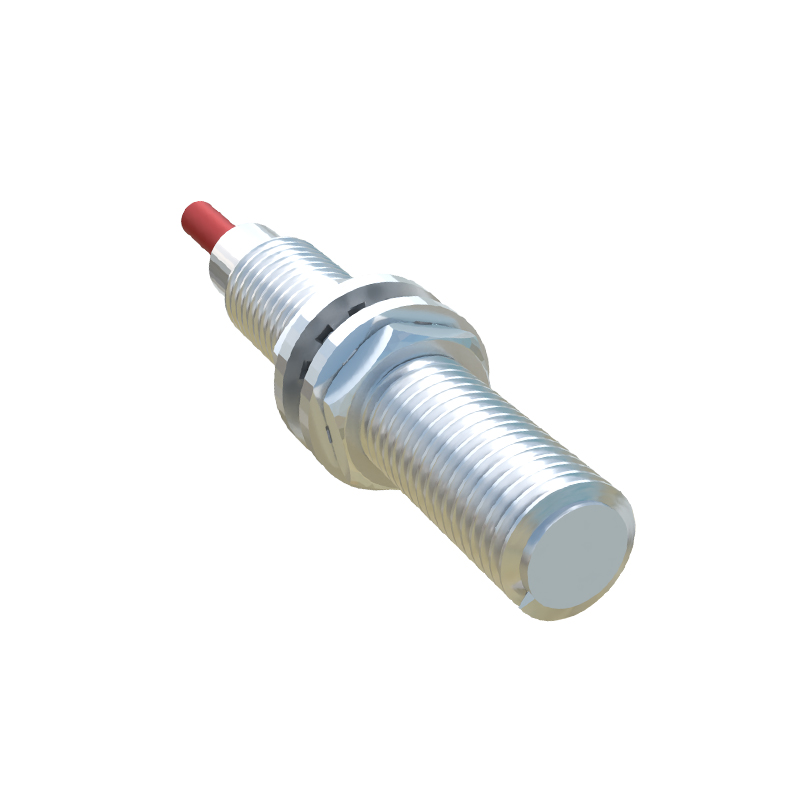
Selecting the wrong model can lead to system failure. A common pitfall is mismatching the output type (PNP vs. NPN) with the PLC input module, resulting in no signal. Choosing an unshielded (non-flush mountable) inductive sensor where adjacent metal is present causes false triggering. Ignoring the temperature specifications in a model code can lead to drift or permanent damage in extreme climates. Therefore, cross-referencing the model's datasheet—its electrical diagram, timing charts, and dimensional drawings—is a non-negotiable step in the design and troubleshooting process.
The evolution of sensor models reflects industry trends. Modern model families increasingly include 'Smart' or 'IO-Link' variants. These sensors go beyond simple switching; their model designation signifies embedded intelligence, allowing for parameter setting via software, condition monitoring, and the transmission of process data like temperature or signal strength alongside the standard switch signal. This represents a shift from a simple discrete device to an intelligent node on the industrial network.
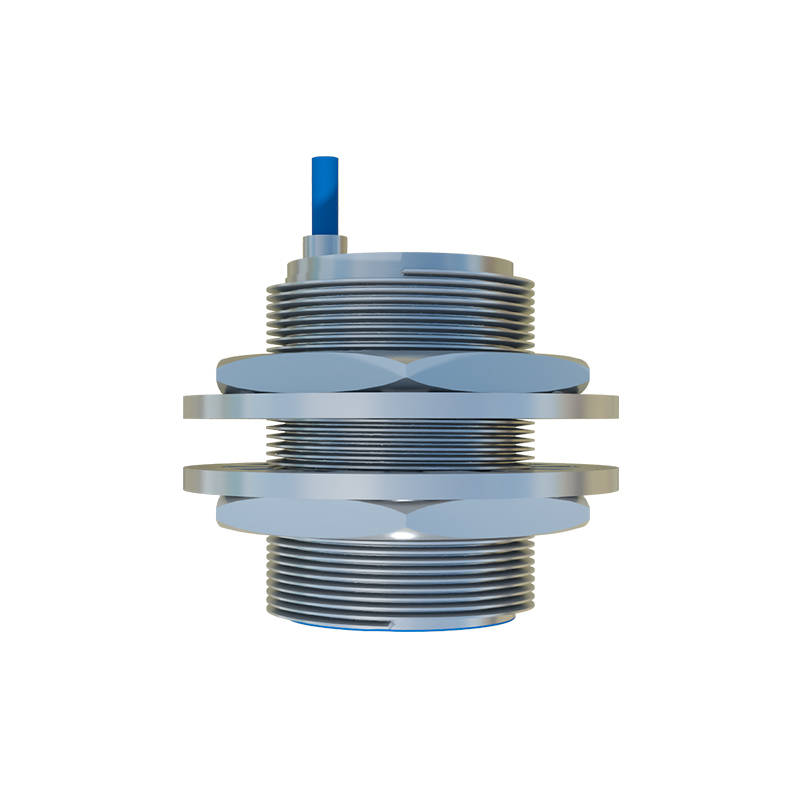
In conclusion, a proximity sensor model is far more than a part number for ordering. It is a condensed technical dossier. Mastery of interpreting these alphanumeric codes is an essential skill for electrical engineers. It enables precise selection, ensures seamless integration into control systems, and facilitates efficient maintenance and replacement. By understanding the language of model numbers, engineers can harness the full potential of these versatile devices, building more robust, intelligent, and reliable automated systems. Always consult the manufacturer's official catalog and technical guide for the definitive interpretation of any specific model code.