In the realm of industrial automation and electronic design, infrared (IR) proximity sensors are pivotal components for detecting the presence or absence of objects without physical contact. Among the various features of these sensors, the white port often garners attention due to its specific functional role. This article delves into the purpose, configuration, and practical applications of the white port on IR proximity sensors, providing insights for engineers and technicians working with these devices.
The white port on an infrared proximity sensor typically serves as the output or signal interface. Unlike power supply ports, which are commonly denoted by red (positive) and black (negative) wires, the white port is designated for transmitting the sensor's detection signal to a control system, such as a programmable logic controller (PLC), microcontroller, or data acquisition module. In many standard IR sensor models, the white wire connects to the digital or analog output pin, relaying information about the detected object's proximity. For instance, in a digital output configuration, the white port may send a high (e.g., 5V) or low (0V) signal based on whether an object is within the sensor's preset range. In analog variants, it might output a voltage or current proportional to the distance, enabling precise measurements for applications like level sensing or positioning.
Configuration of the white port is crucial for optimal sensor performance. Engineers must consider factors such as output type (NPN vs. PNP for digital sensors), voltage levels, and load compatibility. In NPN (sinking) output sensors, the white port acts as the switched negative terminal, connecting the load to ground when activated. Conversely, in PNP (sourcing) outputs, it provides a positive voltage signal. Miswiring the white port can lead to malfunction or damage, so referring to the sensor's datasheet is essential. Additionally, some IR proximity sensors feature adjustable sensing ranges or hysteresis settings via potentiometers, which can influence the signal behavior at the white port. Calibration ensures that the output accurately reflects the desired detection parameters, minimizing false triggers in noisy industrial environments.
Practical applications of the white port span diverse industries. In automotive assembly lines, IR sensors with white output ports monitor part presence, triggering robotic arms to weld or install components. In consumer electronics, such as smartphones, these sensors use white port connections to disable touchscreens during calls by detecting proximity to the user's face. Packaging machinery relies on them to count items or verify seal integrity, where the white port's signal initiates or halts conveyor belts. Moreover, in safety systems, the port can be integrated with emergency stop circuits to shut down equipment if an obstruction is detected. The versatility of the white port allows for seamless integration into control loops, enhancing automation efficiency and reliability.
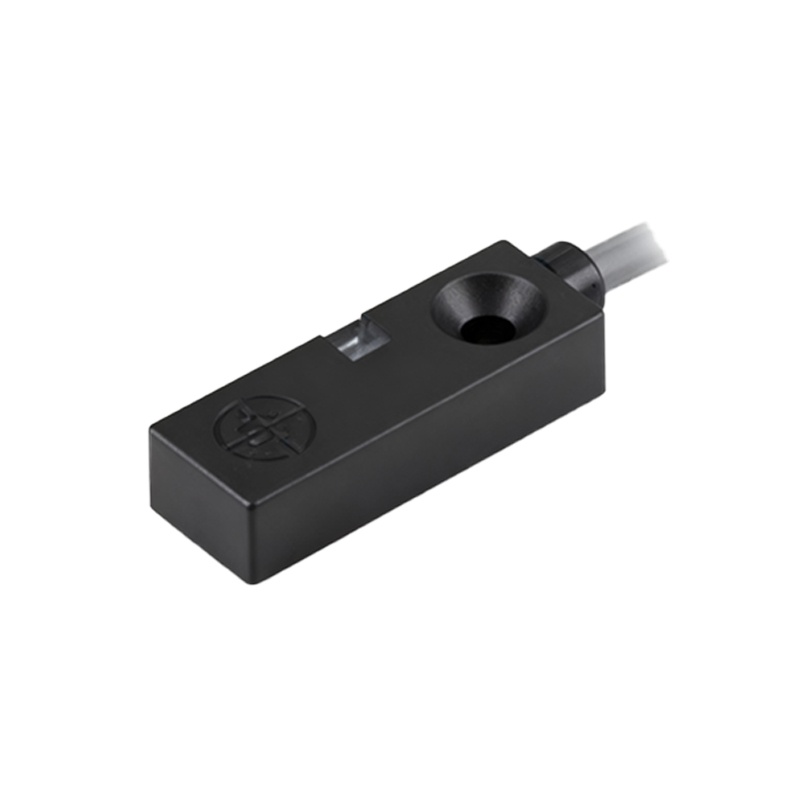
When selecting an IR proximity sensor, understanding the white port's specifications is key. Engineers should evaluate output current capacity (e.g., up to 200mA for some models), response time (often in milliseconds), and environmental robustness (like IP67 ratings for dust and water resistance). For instance, in high-vibration settings, securing the white port connection with locking connectors prevents signal dropout. Troubleshooting common issues, such as intermittent signals from the white port, may involve checking wiring integrity, power supply stability, or sensor alignment. Regular maintenance, including cleaning the IR lens to prevent false outputs, ensures long-term performance.
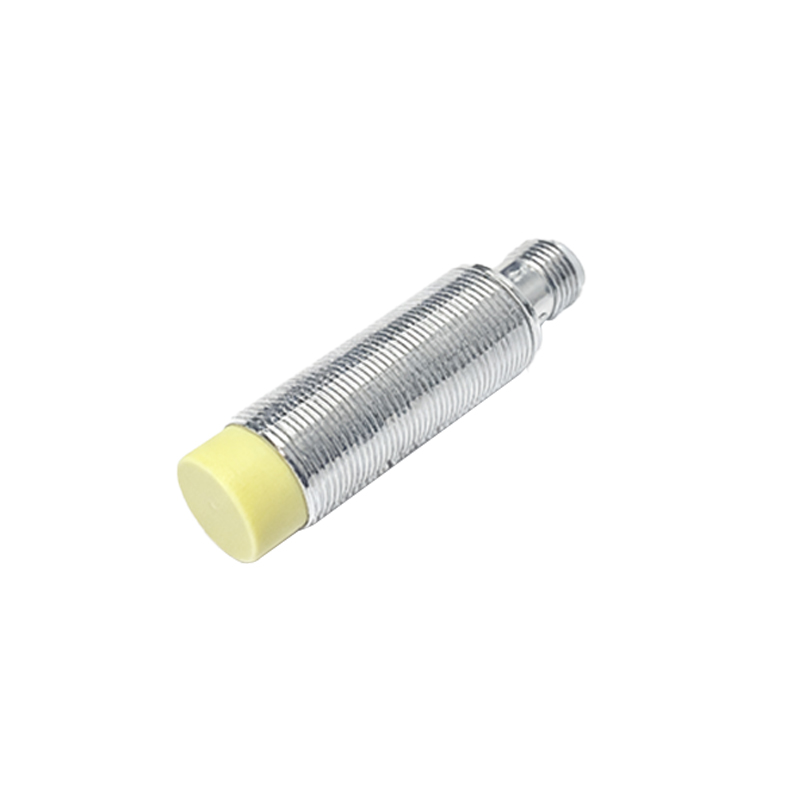
In summary, the white port on infrared proximity sensors is a critical interface for signal transmission, enabling precise object detection in automated systems. Its proper configuration and application drive operational accuracy across manufacturing, electronics, and safety domains. By mastering its role, engineers can leverage IR technology to innovate and optimize processes, underscoring the importance of this unassuming yet vital component in modern electromechanical design.