In the rapidly evolving landscape of industrial automation and smart systems, proximity sensors stand as critical components for non-contact detection. As a seasoned electrical engineer, navigating the vast array of high-tech models is essential for optimal system design. This guide delves into the prominent types and specific model series that define the current technological forefront, focusing on their operating principles and typical industrial applications.
The cornerstone of modern proximity sensing lies in several key technologies, each with distinct model families. Inductive proximity sensors remain the workhorse for metal detection. Leading manufacturers offer sophisticated series like the Turck BI series and Sick IME series, which provide exceptional switching frequencies and temperature stability. High-end models within these families, such as the BI10-M30-AP6X, incorporate advanced features like IO-Link communication for predictive maintenance data, allowing for real-time monitoring of parameters like switch cycle count and temperature.
For detection of all material types, including liquids and transparent objects, capacitive sensors are indispensable. The Pepperl+Fuchs C series and Balluff BC series represent the pinnacle of this technology. Models like the Capacitive Sensor C40U-AD4P-C3U excel in level detection applications, boasting robust housings and adjustable sensitivity to ignore container walls. Their ability to detect through non-metallic barriers makes them ideal for complex packaging and food processing lines.
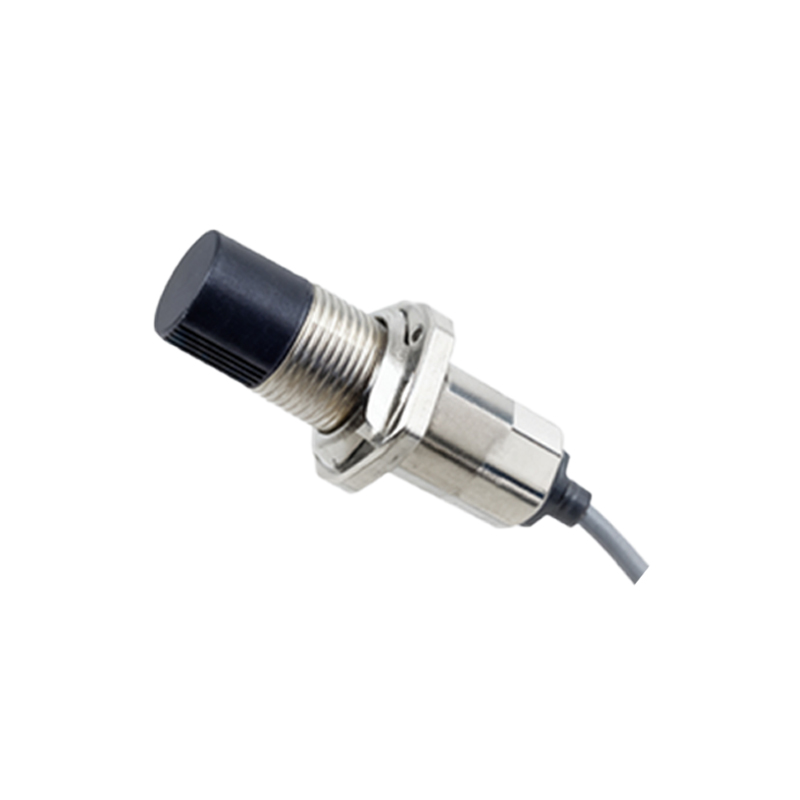
Magnetic proximity sensors, utilizing Reed or Hall effect technologies, are specialized for detecting permanent magnets. The Siko MSK series and ifm magnetostrictive sensors offer remarkable precision in cylinder piston positioning. A model such as the Magnetic Sensor MSA01 provides absolute position feedback with high resolution, which is critical in hydraulic systems and automated guided vehicles (AGVs) for accurate end-position confirmation.
Ultrasonic sensors represent a versatile long-range option. The Banner Q45 series and Sick UM series are industry benchmarks. These models, like the Ultrasonic Sensor UM30-21317, utilize sound wave time-of-flight calculations to measure distance or detect objects up to several meters away. They are immune to color, transparency, or ambient light, making them perfect for challenging environments like bulk material level monitoring in silos or pallet detection in logistics.
Photoelectric sensors, though sometimes categorized separately, are crucial for long-range proximity detection. The Keyence LR-Z series and Omron E3Z series offer modulated LED or laser light sources. Advanced laser models, such as the Photoelectric Sensor LR-ZB250NC, provide precise, micrometer-level detection for alignment tasks in semiconductor manufacturing or electronics assembly.
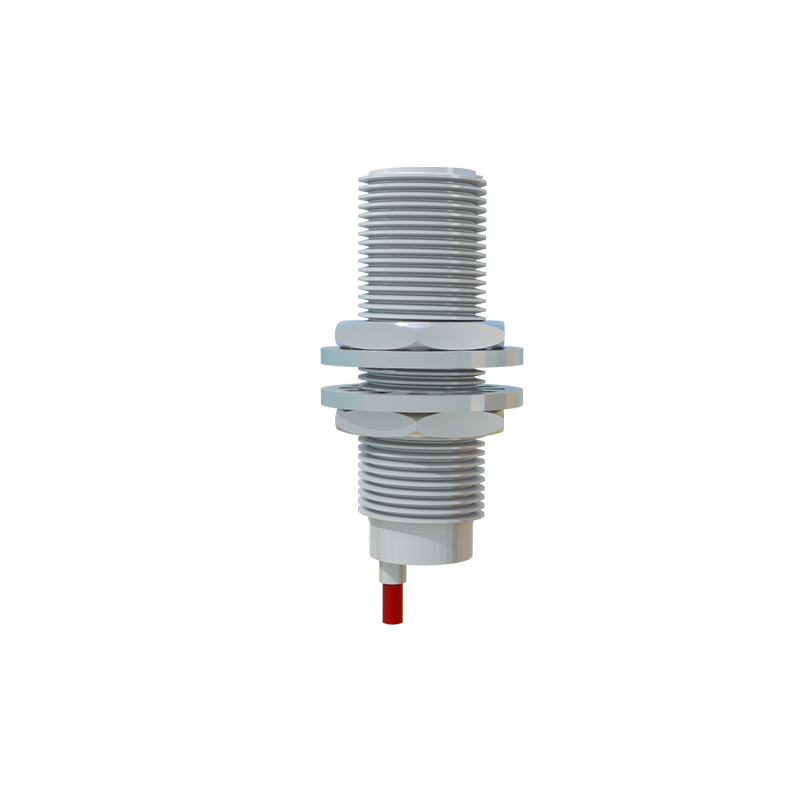
The latest revolution is embodied in M12-style hybrid sensors and sensor hubs. The Balluff BMF series and ifm VBG series combine IO-Link connectivity with multi-technology capabilities in a single compact housing. For instance, a MultiTech Sensor BMF 415 can offer inductive, capacitive, and analog output functions, configurable via software, drastically reducing cabinet space and wiring complexity. This aligns perfectly with Industry 4.0 paradigms, enabling flexible, data-rich production lines.
When selecting a model, engineers must evaluate key specifications beyond the basic technology: sensing range, repeat accuracy, housing material (e.g., stainless steel for washdown areas), output type (PNP/NPN, analog, IO-Link), and environmental ratings (IP67/IP69K). The integration of diagnostic capabilities and digital communication protocols like IO-Link or PROFINET is no longer a luxury but a necessity for smart factory integration.
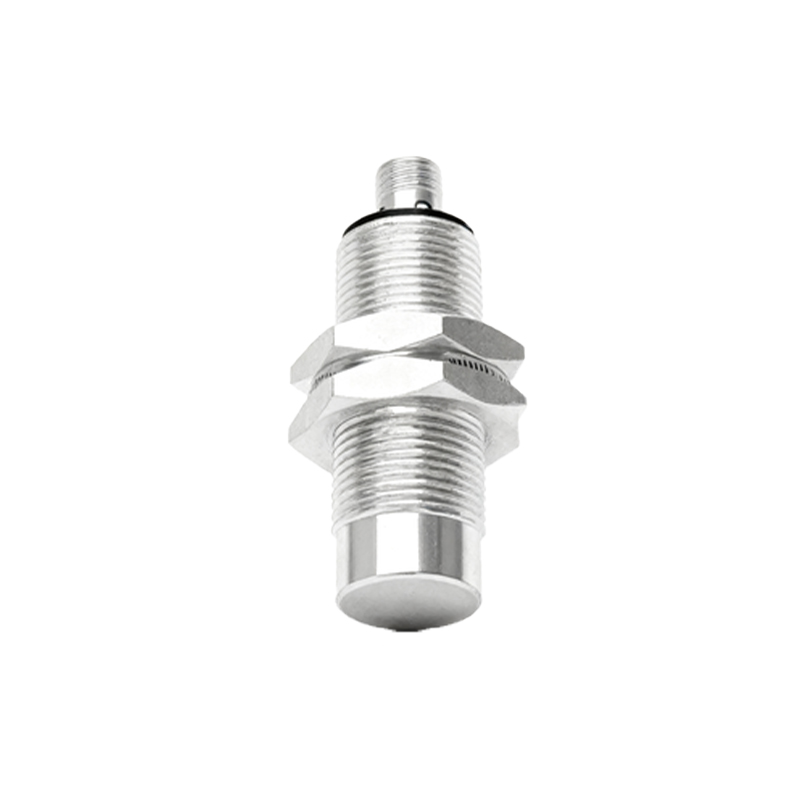
In conclusion, the high-tech proximity sensor market is characterized by specialized model series offering enhanced precision, connectivity, and robustness. From the foundational inductive and capacitive types to the sophisticated ultrasonic and hybrid IO-Link models, the correct selection hinges on a deep understanding of the application's material, range, environmental, and data requirements. The ongoing trend is unmistakably toward intelligent, networked sensors that provide not just a switching signal, but a stream of valuable process and health data, forming the sensory nervous system of the modern industrial world.