In the intricate dance of modern automation, where machines interact with the physical world with uncanny precision, a silent and unseen component plays a pivotal role: the photoelectric proximity sensor chip. This marvel of microelectronics is the core intelligence behind countless devices, enabling them to detect the presence, absence, or distance of an object without any physical contact. From the smartphone in your pocket to sprawling industrial assembly lines, these chips are the fundamental building blocks for smarter, more responsive technology.
At its heart, the principle is elegantly simple, yet its implementation is a feat of engineering. A photoelectric proximity sensor chip integrates a light emitter, typically an infrared LED or a laser diode, and a photodetector, such as a phototransistor or photodiode, onto a single silicon substrate. The emitter projects a beam of light—often invisible to the human eye. When this beam encounters an object within its detection range, light is reflected back towards the sensor. The integrated photodetector captures this reflected signal. The onboard circuitry, which is a critical part of the chip's design, then processes this signal. By analyzing the intensity, time-of-flight, or triangulation of the returned light, the chip can accurately determine an object's proximity and trigger a predefined electronic response.
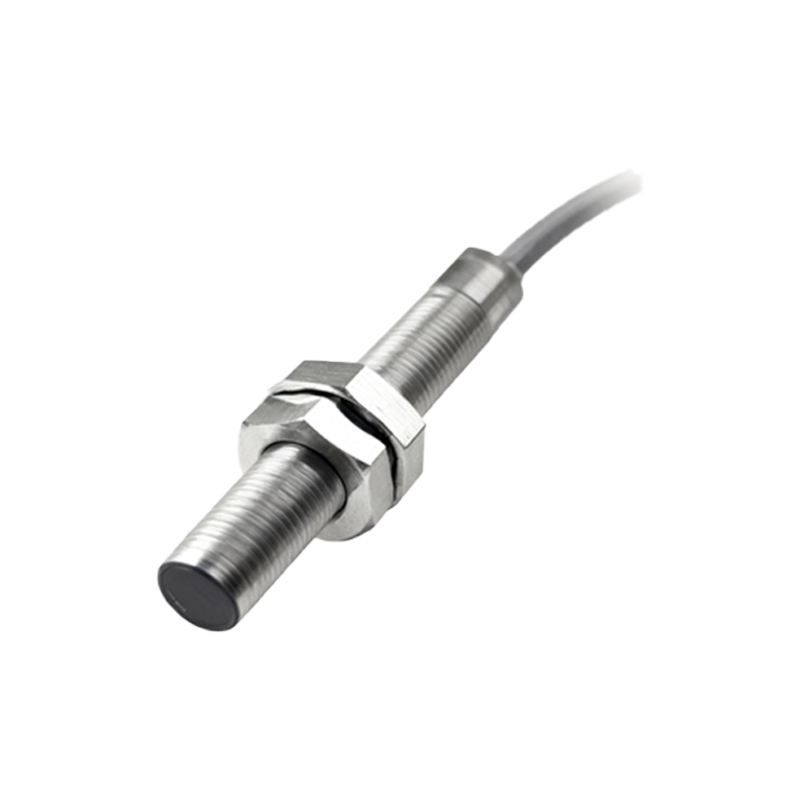
The advantages of this non-contact detection method are profound. Firstly, it eliminates mechanical wear and tear, granting sensors exceptional longevity and reliability, crucial for industrial settings operating 24/7. Secondly, it allows for high-speed detection, capable of sensing objects moving at tremendous velocities, which is essential in packaging, sorting, and robotics. Furthermore, these chips can detect a wide variety of materials, including glass, plastic, metal, and liquids, making them incredibly versatile. Their compact size, enabled by advanced semiconductor manufacturing, allows for integration into increasingly miniaturized devices.
The applications are as diverse as modern industry itself. In consumer electronics, a photoelectric proximity sensor chip is what dims your smartphone screen during a call, saving battery and preventing accidental touches. In automotive systems, they are integral to driver-assistance features, detecting obstacles during parking or monitoring a driver's attentiveness. The home appliance sector relies on them for touchless faucets, automatic soap dispensers, and smart toilet lids, enhancing hygiene and convenience.
However, the most transformative impact is felt in industrial automation and robotics. Here, these chips form the sensory nervous system. They are deployed for precise object counting on high-speed conveyor belts, ensuring accurate inventory control. They provide critical positioning feedback for robotic arms, allowing for delicate assembly tasks. In automated guided vehicles (AGVs), arrays of these sensors enable safe navigation through dynamic environments by detecting obstacles and personnel. Their robustness allows them to function reliably in challenging conditions with dust, moisture, or variable ambient light, especially when equipped with modulated light signals and specialized optical filters to combat interference.
The evolution of photoelectric proximity sensor chips is driven by relentless innovation. Modern chips incorporate advanced digital signal processing directly on the chip, reducing the need for external components and simplifying design. There is a strong trend towards miniaturization and lower power consumption, fueled by the Internet of Things (IoT), where billions of sensors need to operate for years on small batteries. Furthermore, the integration of multiple sensing modalities—combining proximity sensing with ambient light sensing or spectral analysis—on a single chip is creating more context-aware and intelligent systems.
Looking ahead, the future of these chips is intertwined with the advancement of smarter machines. As Industry 4.0 and collaborative robots (cobots) become mainstream, the demand for sensors that are not only accurate but also intelligent and communicative will surge. Next-generation photoelectric proximity sensor chips will feature enhanced digital interfaces, smarter onboard diagnostics, and even embedded machine learning capabilities to distinguish between different objects or patterns. This will enable more autonomous, flexible, and safe human-machine collaboration.
In conclusion, photoelectric proximity sensor chips are far more than simple components; they are the essential enablers of perception for the digital age. By converting light into actionable data, they bridge the gap between the physical and digital worlds. Their continued development, marked by greater integration, intelligence, and efficiency, will remain a cornerstone in the ongoing revolution of automation, quietly powering the smarter, more interactive, and more efficient technologies of tomorrow.