In the dynamic landscape of industrial automation, magnetic proximity switch sensors have emerged as indispensable components, offering non-contact detection of ferrous and non-ferrous metallic objects with high reliability and durability. These sensors operate on the principle of magnetic field interaction, where a permanent magnet or electromagnet generates a field that is altered by the presence of a target, triggering a switch output. While standard models cater to a wide range of applications, the growing complexity of modern machinery and unique operational environments often necessitates customized solutions. Customization of magnetic proximity switch sensors involves a meticulous engineering process to address specific challenges such as extreme temperatures, corrosive atmospheres, space constraints, and specialized detection requirements.
The journey toward a tailored magnetic proximity sensor begins with a comprehensive analysis of the application parameters. Key factors include the target material (e.g., mild steel, stainless steel, aluminum), sensing distance, operating temperature range, environmental conditions (like exposure to moisture, chemicals, or dust), electrical specifications (voltage, output type—PNP/NPN, analog, or IO-Link), and mechanical design (housing shape, size, mounting style). For instance, in food and beverage processing, sensors may require stainless steel housings with smooth surfaces to meet hygiene standards, while in heavy machinery, robust designs with enhanced resistance to vibration and shock are critical. Engineers collaborate closely with clients to define these criteria, ensuring the sensor integrates seamlessly into existing systems.
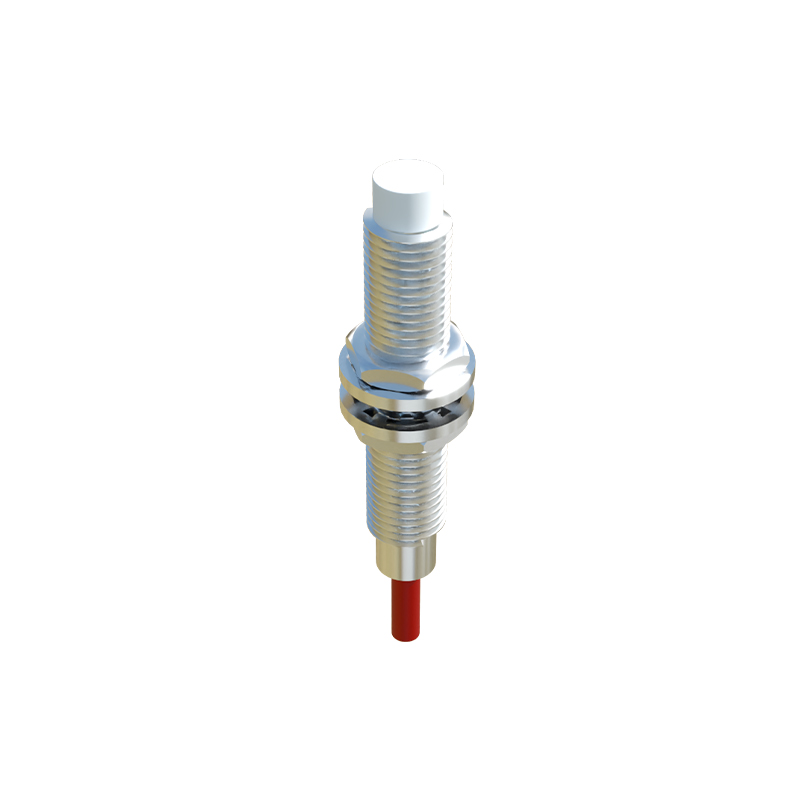
Material selection plays a pivotal role in customization. Housing materials can range from nickel-plated brass for general-purpose use to specialized polymers or ceramics for aggressive chemical environments. The internal components, including the magnet, coil, and circuitry, are chosen based on thermal stability and magnetic strength. For high-temperature applications, such as in foundries or automotive manufacturing, sensors are designed with heat-resistant materials and thermal compensation to maintain accuracy. Conversely, in cryogenic settings, materials must withstand sub-zero temperatures without brittleness. Additionally, custom magnetic fields can be engineered by adjusting magnet geometry or incorporating shielding to focus detection on specific areas, reducing false triggers from adjacent metallic objects.
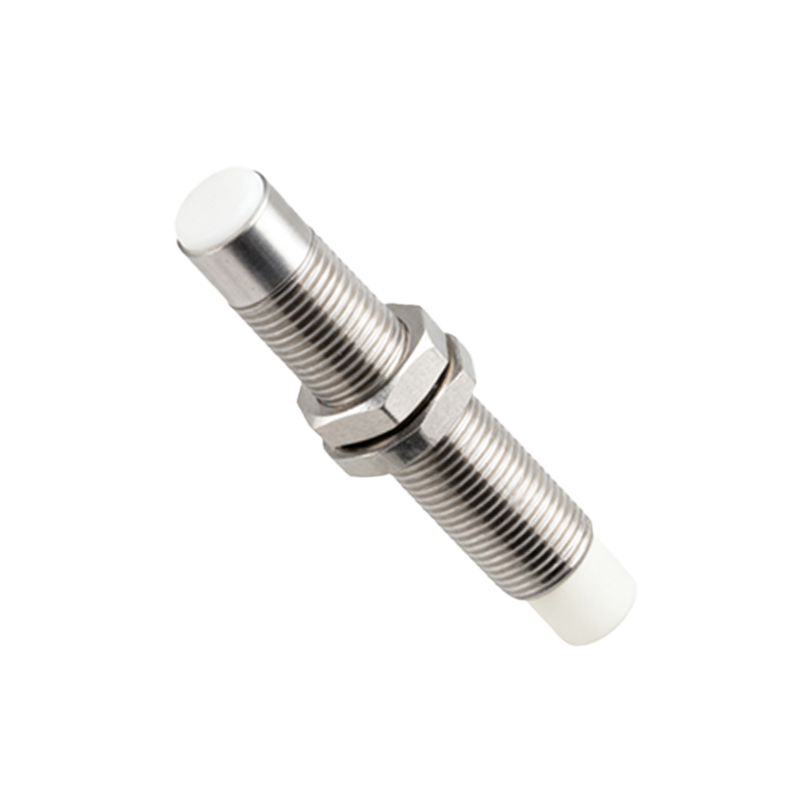
Electrical and output customization is another critical aspect. Standard sensors typically offer digital outputs, but custom versions can include analog outputs for distance-proportional signals, or smart features like diagnostic capabilities via IO-Link communication. This enables predictive maintenance, where sensors provide real-time data on performance and wear, minimizing downtime. Power supply variations—from 10V DC to 250V AC—are accommodated to match regional standards or legacy equipment. Furthermore, custom cable lengths, connectors, and ingress protection (IP) ratings (e.g., IP67, IP69K) are specified to ensure durability in harsh conditions, such as outdoor installations or washdown environments.
The mechanical design phase focuses on form factor and integration. Custom housings can be cylindrical, rectangular, or ring-shaped to fit into confined spaces or unusual mounting points. Thread sizes, flange designs, and mounting brackets are tailored to match existing machinery, eliminating the need for adapters and reducing installation time. In mobile equipment like agricultural vehicles, sensors might be designed with enhanced sealing against dirt and water, while in marine applications, corrosion-resistant coatings are applied. Prototyping and testing are integral to this process, with samples subjected to rigorous environmental and functional tests to validate performance under simulated real-world conditions.
Ultimately, custom magnetic proximity switch sensors deliver optimized performance, longevity, and cost-efficiency by eliminating compromises inherent in off-the-shelf products. They enhance system reliability, reduce maintenance cycles, and improve safety in critical operations. As industries evolve toward Industry 4.0 and IoT integration, the demand for tailored sensor solutions continues to grow, driven by the need for precision, adaptability, and data connectivity. By leveraging advanced engineering and collaborative design, manufacturers can create sensors that not only meet today’s challenges but also anticipate future trends, ensuring seamless automation across diverse sectors from manufacturing and logistics to energy and robotics.