In the realm of industrial automation, proximity sensors are indispensable components for non-contact detection, and the PL05-N model stands as a robust and reliable example within this category. Designed for precision and durability, the PL05-N is an inductive proximity sensor, primarily used for detecting metallic objects without any physical contact. This article delves into its technical specifications, operational principles, installation considerations, and typical applications, providing a comprehensive guide for engineers and system integrators.
The PL05-N operates on the fundamental principle of electromagnetic induction. The sensor's core contains an oscillator circuit that generates a high-frequency electromagnetic field emanating from its active face. When a metallic target enters this detection field, eddy currents are induced on the surface of the target. This causes a change in the oscillation amplitude within the sensor, which is subsequently processed by the internal circuitry. This processing triggers a solid-state switching output, signaling the presence of the object. A key advantage of this inductive principle is its immunity to environmental factors like dust, oil, and moisture, making the PL05-N suitable for harsh industrial environments.
Key technical specifications define the PL05-N's performance envelope. It typically features a nominal sensing distance of 5mm, a standard for sensors in this form factor. The housing is often constructed from nickel-plated brass or stainless steel, offering excellent resistance to mechanical impact and chemical corrosion. The sensor is available in both Normally Open (NO) and Normally Closed (NC) output configurations, with common output types being NPN (sinking) or PNP (sourcing) transistor outputs, compatible with standard programmable logic controllers (PLCs) and industrial control systems. Operating voltage ranges are usually between 10-30V DC, ensuring compatibility with most industrial power supplies. Furthermore, it boasts a high switching frequency, allowing for the detection of rapidly moving objects on production lines. An important specification is its protection rating, often reaching IP67, which denotes complete protection against dust and protection against temporary immersion in water.
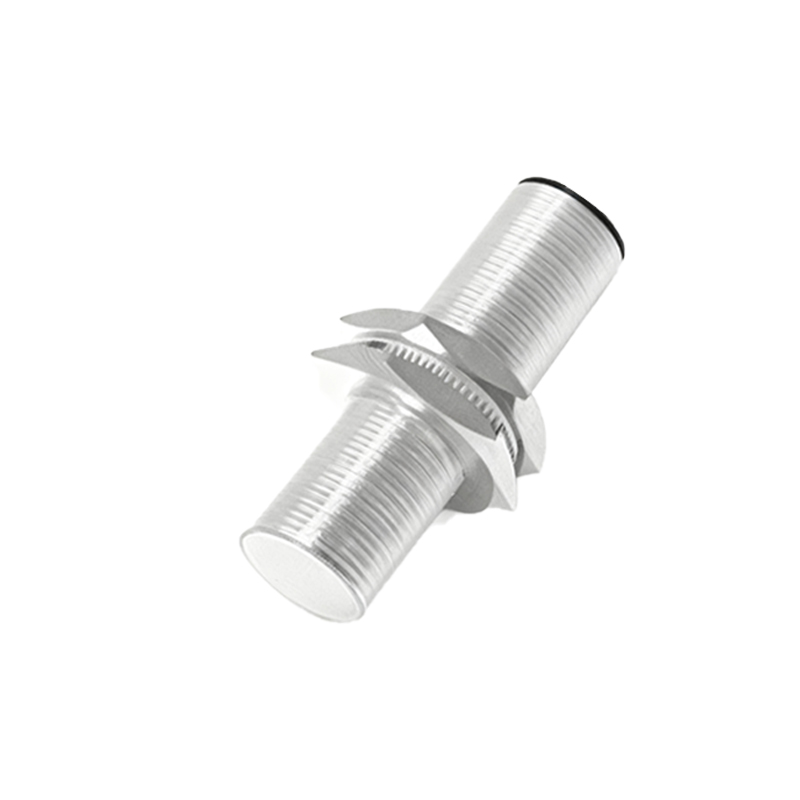
Proper installation and wiring are critical for optimal performance. The PL05-N is typically a cylindrical, threaded barrel sensor (e.g., M12 or M18 threading), allowing for easy mounting in standard fixture holes. It is crucial to maintain the specified non-flush mounting style if applicable, as mounting the sensor flush in a metal bracket can reduce its effective sensing range. Adequate clearance around the sensing face should be maintained to prevent interference from surrounding metal. Wiring must adhere to the manufacturer's datasheet, correctly connecting the brown wire (typically +V), blue wire (typically 0V or common), and black wire (output signal) to the control system. Shielding the cable may be necessary in environments with high electromagnetic interference (EMI).
The applications for the PL05-N proximity sensor are vast across manufacturing and processing industries. Common use cases include position verification of machine parts, such as confirming the presence of a metal workpiece in a machining center or a fixture on an assembly line. It is extensively used in counting applications, for instance, tallying metal bottles or cans on a conveyor. In material handling, it can detect the end position of a metallic pallet or trolley. It also serves as a safety interlock, ensuring a guard door is closed before machine operation commences. Its robustness makes it ideal for automotive manufacturing, metal stamping, packaging machinery, and robotic cell applications.
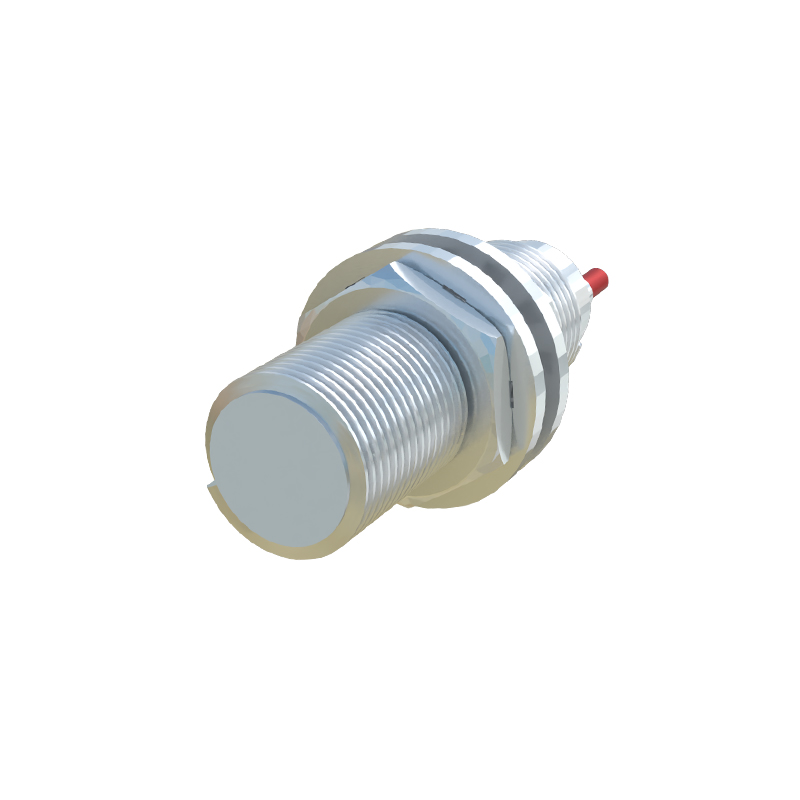
When selecting the PL05-N, engineers must consider several factors. The target material is paramount; while it detects ferrous metals like steel and iron at the rated distance, the sensing range for non-ferrous metals like aluminum or copper is significantly reduced and requires verification. The size and shape of the target must also be considered relative to the sensor's active face. Environmental conditions such as extreme temperatures, presence of cutting fluids, or welding spatter might necessitate selecting a variant with a specific housing material or a higher protection rating. Finally, ensuring electrical compatibility with the existing control system's input card (sourcing vs. sinking) is essential to avoid malfunctions.
In summary, the PL05-N inductive proximity sensor represents a mature and highly effective technology for metallic object detection. Its combination of a 5mm sensing range, rugged construction, and reliable solid-state output makes it a versatile workhorse in countless automation scenarios. By understanding its operating principles, meticulously following installation guidelines, and carefully matching its specifications to the application requirements, maintenance and automation engineers can leverage the PL05-N to enhance system reliability, efficiency, and safety on the factory floor. For precise parameters, always consult the official technical datasheet provided by the specific manufacturer of the PL05-N sensor in use.