In the industrial automation and electrical engineering sectors, the term "QA" frequently appears in discussions and specifications related to proximity sensor types. For professionals and newcomers alike, understanding what QA signifies is crucial for selecting, applying, and maintaining these essential components. This article delves into the meaning of QA in the context of proximity sensors, its implications for performance and reliability, and its role in ensuring quality across various applications.
Proximity sensors are non-contact devices designed to detect the presence or absence of objects within a specific range. They are widely used in manufacturing, robotics, automotive systems, and safety mechanisms due to their precision and durability. Common types include inductive, capacitive, ultrasonic, and magnetic proximity sensors, each suited for different materials and environments. Within this landscape, the designation "QA" often refers to "Quality Assurance" or specific model series and standards that denote enhanced reliability and testing protocols.
In technical documentation, QA may indicate that a proximity sensor has undergone rigorous Quality Assurance processes during manufacturing. This involves comprehensive testing for parameters such as sensing distance accuracy, repeatability, temperature tolerance, electrical characteristics, and environmental resilience (e.g., resistance to moisture, dust, or vibrations). Sensors labeled with QA are typically built to meet or exceed industry standards, such as those set by organizations like the International Electrotechnical Commission (IEC) or Underwriters Laboratories (UL). For instance, a QA-rated inductive proximity sensor might guarantee consistent detection of metallic objects even in harsh conditions, reducing downtime in automated assembly lines.
Alternatively, QA can serve as a model identifier or series code used by manufacturers to classify sensors with particular features. For example, a company might designate a line of high-frequency or long-range proximity sensors as the "QA Series," implying advanced capabilities like faster response times or improved noise immunity. In such cases, consulting the manufacturer's datasheet is essential to interpret the exact specifications, as coding conventions vary across brands. This helps engineers match the sensor to application needs, whether for precision positioning, object counting, or safety interlocks.
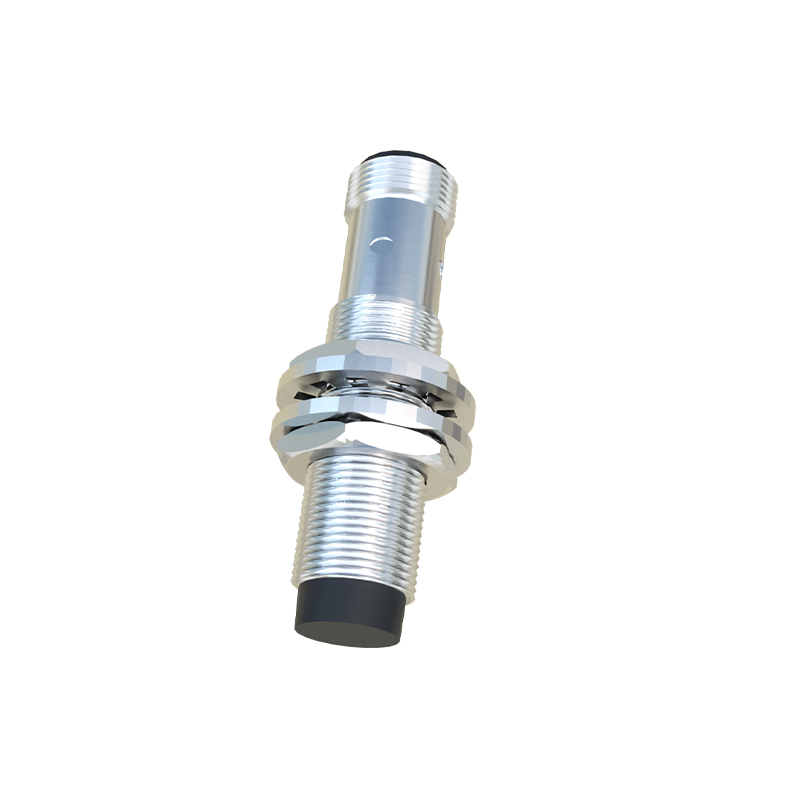
The importance of QA in proximity sensors extends beyond mere labeling. It reflects a commitment to reliability and performance consistency, which are critical in industries where sensor failure can lead to production halts, safety hazards, or costly repairs. For example, in automotive manufacturing, QA-tested sensors ensure accurate part detection during robotic welding, preventing defects. Similarly, in food processing, QA-compliant capacitive sensors might be validated for hygiene and durability, complying with regulations like those from the Food and Drug Administration (FDA).
When integrating proximity sensors into a system, engineers should consider QA aspects by evaluating certifications, testing reports, and lifecycle data. Key factors include the sensor's Mean Time Between Failures (MTBF), ingress protection (IP) ratings, and compliance with electromagnetic compatibility (EMC) standards. Opting for QA-assured models often translates to lower long-term maintenance costs and higher system uptime, making them a wise investment for critical operations.
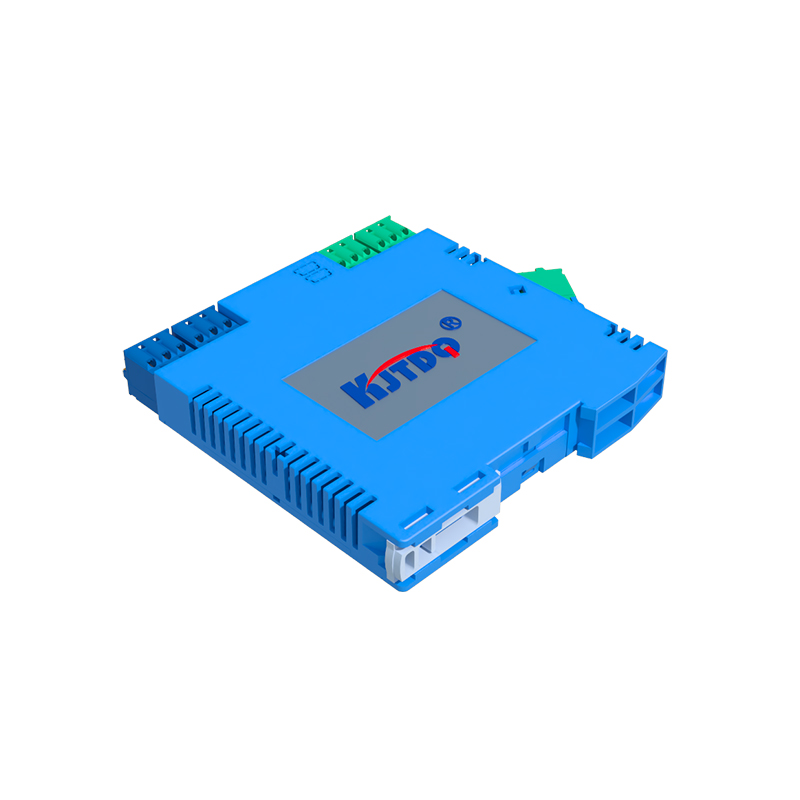
In summary, QA in proximity sensor types underscores a focus on quality and dependability. Whether interpreted as a Quality Assurance benchmark or a product series marker, it guides professionals toward sensors that deliver robust performance in demanding environments. As technology evolves, with trends like the Industrial Internet of Things (IIoT) and smart factories, the role of QA will likely expand to encompass digital diagnostics and connectivity features, further emphasizing the need for clear standards and transparent specifications in the electrical engineering field.