In the rapidly evolving landscape of industrial automation and smart manufacturing, the demand for precision sensing solutions has never been higher. Among the various sensor technologies available, diffuse proximity sensors stand out for their versatility and reliability in detecting objects without physical contact. However, off-the-shelf sensors often fall short when faced with unique environmental conditions, specific material properties, or unconventional installation requirements. This is where the concept of on-demand customization becomes a game-changer, offering tailored solutions that optimize performance, enhance efficiency, and reduce long-term operational costs.
Diffuse proximity sensors operate by emitting a light beam—typically infrared or visible LED—and measuring the intensity of the light reflected back from a target object. Unlike through-beam or retro-reflective sensors, they do not require a separate receiver, making them ideal for applications where space is limited or where mounting a receiver is impractical. Standard models are designed for general-purpose use, but real-world scenarios often present challenges such as extreme temperatures, high levels of ambient light, varying surface colors, or the need for specific sensing ranges and response times. Customization addresses these challenges by adapting the sensor's optical components, housing materials, and electronic circuitry to meet exact specifications.
One of the primary aspects of customization involves selecting the appropriate light source and wavelength. For instance, in environments with high infrared interference, a blue or green LED might be preferred to minimize false triggers. Similarly, sensors used in food processing or pharmaceutical industries may require housings made from stainless steel or FDA-approved plastics to ensure hygiene and corrosion resistance. Custom lens designs can also be implemented to focus the light beam more precisely, enabling detection of smaller objects or improving accuracy in dusty or humid conditions.
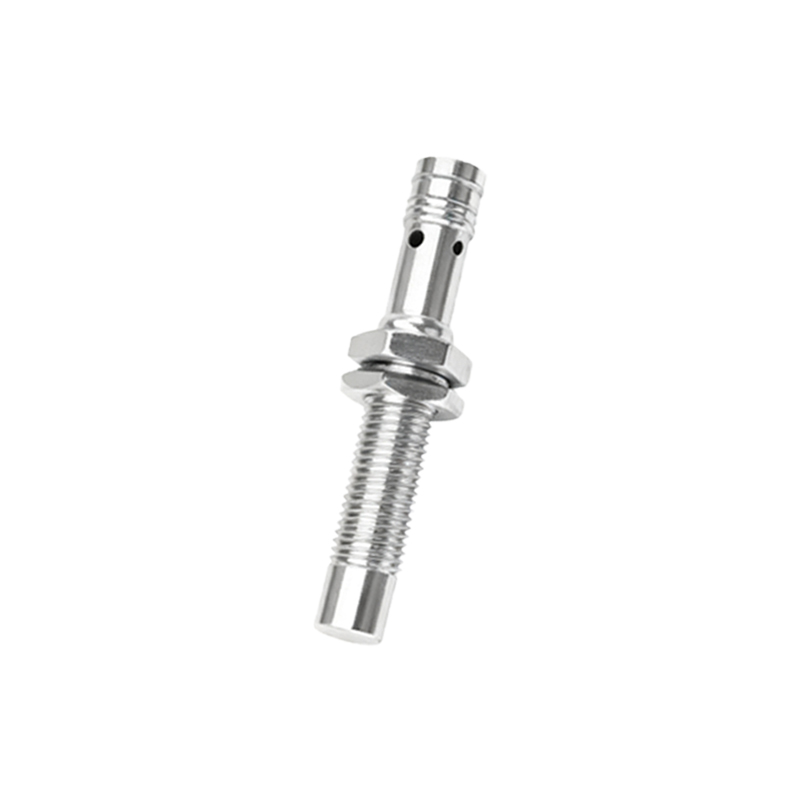
Another critical factor is the output configuration and connectivity. While standard sensors often come with fixed PNP or NPN outputs, customized versions can incorporate analog outputs, IO-Link communication, or even wireless capabilities for integration into IoT systems. This flexibility allows for seamless data exchange with PLCs, SCADA systems, or cloud platforms, facilitating predictive maintenance and real-time monitoring. Additionally, custom form factors—such as miniature sensors for tight spaces or elongated housings for deep mounting—can be engineered to fit specific mechanical constraints without compromising functionality.
The customization process typically begins with a thorough analysis of the application requirements. Engineers collaborate closely with clients to understand the operating environment, target materials, desired sensing distance, and any regulatory standards that must be met. Prototypes are then developed and tested under simulated conditions to validate performance before full-scale production. This iterative approach ensures that the final product not only meets but exceeds expectations, delivering reliable operation in even the most demanding settings.
Case studies highlight the benefits of customized diffuse proximity sensors across diverse industries. In automotive assembly lines, sensors with enhanced resistance to oil and coolant splashes have reduced downtime by 30%. In packaging machinery, units with fast response times and high repeatability have improved throughput by 25%. Even in agricultural automation, ruggedized sensors capable of withstanding outdoor exposure have enabled precise crop monitoring and sorting. These examples underscore how tailored solutions can drive innovation and competitiveness.
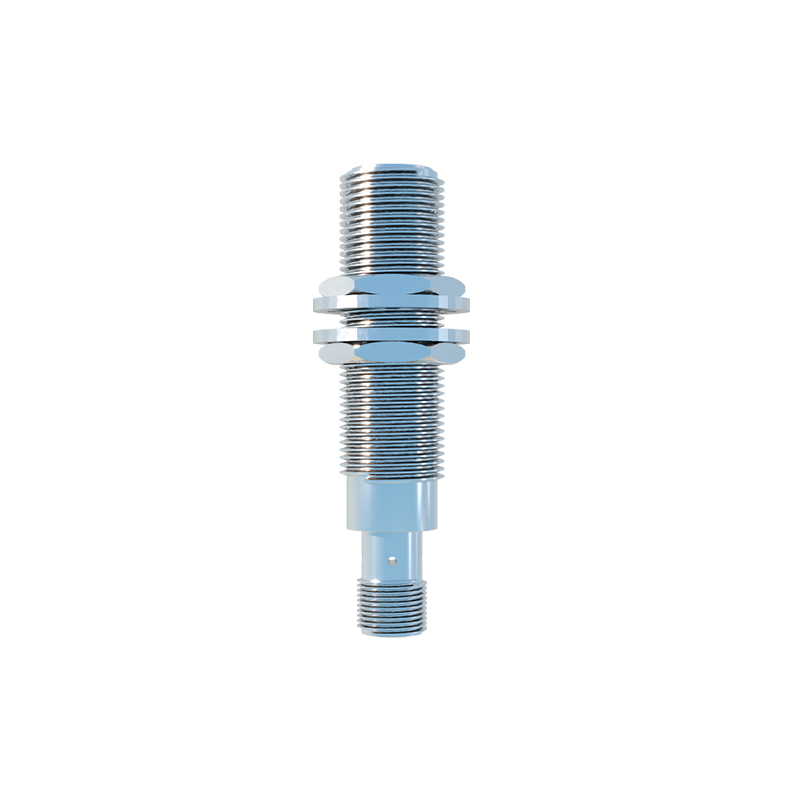
Investing in customized sensors may involve higher upfront costs compared to standard models, but the long-term advantages are substantial. By optimizing sensor performance for specific tasks, businesses can minimize false readings, extend equipment lifespan, and reduce maintenance expenses. Moreover, as technology advances, customization allows for the integration of emerging features like AI-based diagnostics or energy-efficient designs, future-proofing operations against obsolescence.
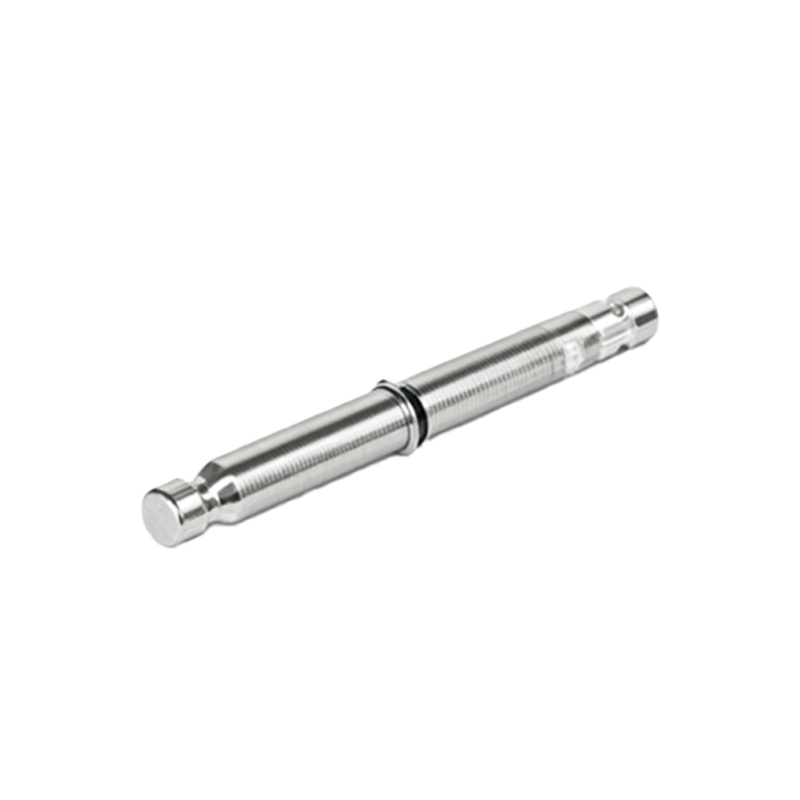
In conclusion, the shift toward on-demand customization of diffuse proximity sensors reflects a broader trend in industrial technology: the move from one-size-fits-all solutions to specialized, application-driven designs. By leveraging expert engineering and collaborative development, companies can unlock new levels of precision and reliability, ultimately enhancing productivity and fostering sustainable growth in an increasingly automated world.