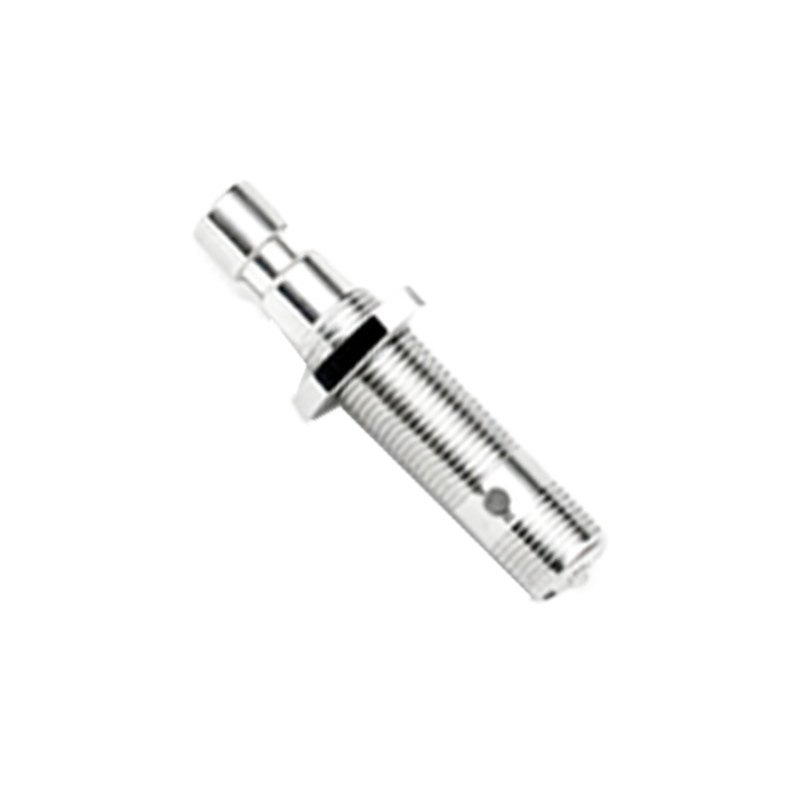
Cylindrical proximity sensors are fundamental components in modern industrial automation, widely used for non-contact detection of metallic objects. Their robust design, typically housed in a cylindrical metal or polymer body, makes them suitable for harsh environments such as manufacturing lines, packaging machinery, and automotive assembly systems. Understanding their working principle is essential for engineers and technicians to ensure optimal selection, installation, and maintenance.
The core operation of most cylindrical proximity sensors relies on electromagnetic induction or capacitive sensing. The most common type is the inductive proximity sensor, designed specifically to detect ferrous and non-ferrous metals without physical contact. Inside the cylindrical housing, a coil wound around a ferrite core is energized with an alternating current, generating an oscillating electromagnetic field at the active face (sensing surface) of the sensor. When a metallic target enters this field, eddy currents are induced on the target's surface. These eddy currents draw energy from the sensor's oscillator circuit, causing a reduction in oscillation amplitude. An integrated circuit monitors this amplitude change. Once the amplitude drops below a predetermined threshold—indicating the target is within the specified sensing range—the sensor's output state switches. This output is typically a solid-state switch (like an NPN or PNP transistor) that can control a load such as a relay, PLC input, or indicator lamp.
Key parameters defining a sensor's performance include its nominal sensing distance (Sn), which is rated under standardized conditions using a specified target material, usually mild steel. Factors like target size, shape, and material significantly affect the actual sensing range. For instance, aluminum or copper targets may reduce the effective range compared to steel. The hysteresis, a small difference between the switch-on and switch-off points, prevents output chatter when a target is at the edge of the detection zone. Cylindrical sensors are also characterized by their frequency response, indicating how many detection cycles per second they can handle, which is critical for high-speed applications.
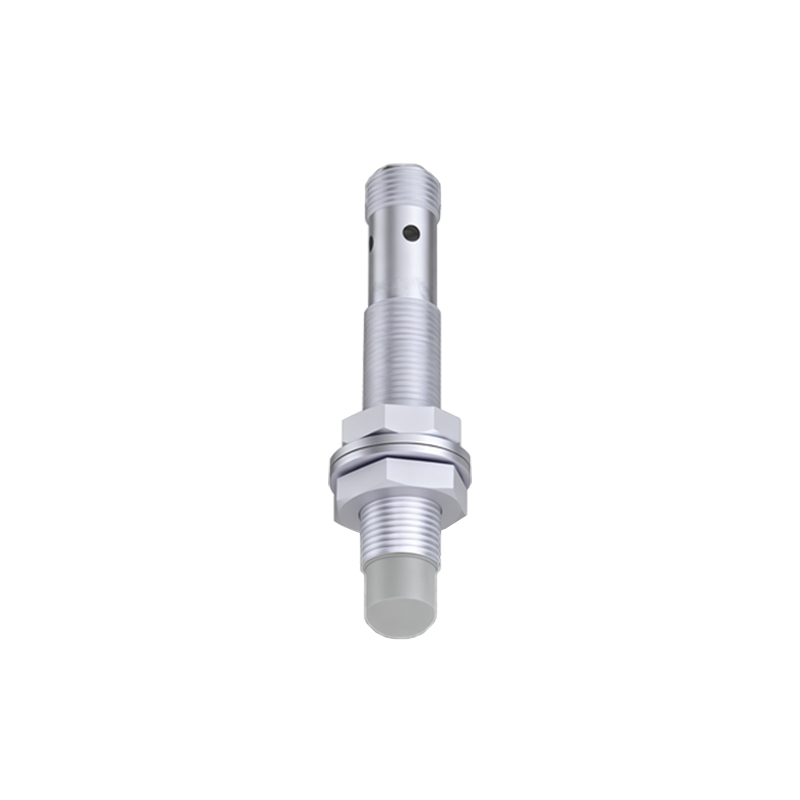
Another prevalent type is the capacitive cylindrical proximity sensor. While similar in form factor, it operates on a different principle. It generates an electrostatic field and detects changes in capacitance caused by the presence of any material—metal, plastic, liquid, or granular substances—that alters the dielectric constant near its face. This makes capacitive sensors versatile for non-metallic object detection. The cylindrical housing often includes a potentiometer for sensitivity adjustment to fine-tune the sensing distance and ignore background materials.
Installation considerations are paramount. Engineers must account for the sensor's embeddability. Shielded (flush-mountable) sensors allow installation flush with a metal bracket without affecting their sensing field, whereas unshielded (non-flush) sensors require a clear space around them to achieve their rated range. Environmental factors like temperature extremes, humidity, and the presence of cutting fluids or dust can influence performance, necessitating sensors with appropriate IP (Ingress Protection) ratings. Electrical wiring must follow manufacturer guidelines, paying attention to polarity for DC models and load current limits.
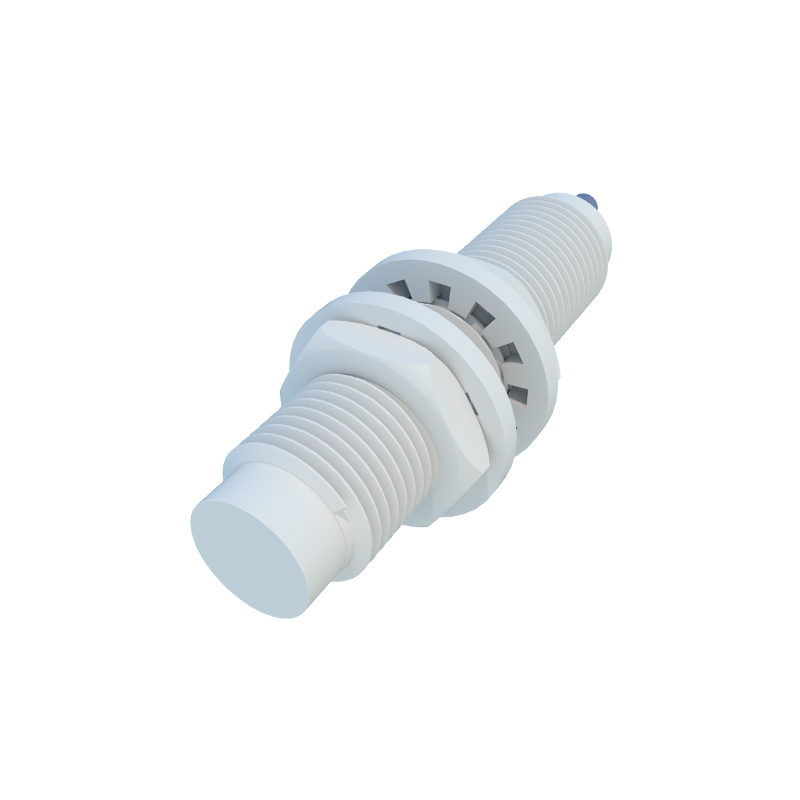
In summary, the cylindrical proximity sensor is a reliable workhorse in automation. Its non-contact nature eliminates mechanical wear, ensuring long service life and consistent operation. By leveraging electromagnetic or capacitive fields, it provides precise, high-speed detection crucial for process control, positioning, counting, and safety interlocking. Continuous advancements in integrated circuit technology have led to sensors with enhanced immunity to electrical noise, more compact sizes, and extended sensing ranges, further solidifying their role in smart factories and Industry 4.0 applications. Proper understanding of their underlying physics and specifications enables engineers to deploy these devices effectively, maximizing system reliability and efficiency.