In the realm of industrial automation and control, sensing technology forms the backbone of efficiency, safety, and precision. Among the diverse array of sensors available, photoelectric proximity sensors stand out for their versatility, reliability, and non-contact operation. This article delves into the technical merits, operational principles, and practical considerations of these sensors, providing a comprehensive answer to the question: How good are photoelectric proximity sensors, really?
At their core, photoelectric sensors operate by emitting a beam of light (visible red, infrared, or laser) and detecting changes in the received light signal. This fundamental principle is deployed in three primary sensing modes: through-beam, retro-reflective, and diffuse (proximity). The proximity mode, where the sensor both emits light and detects the reflection from a target object, is particularly valuable for applications requiring non-contact detection without a separate receiver. The quality of this detection hinges on several factors, including the emitted light type, sensing distance, target characteristics, and environmental conditions.
The advantages of photoelectric proximity sensors are substantial. First and foremost is their non-contact nature, which eliminates mechanical wear and tear, leading to exceptionally long service life and reduced maintenance. They offer impressive sensing ranges compared to other proximity technologies like inductive or capacitive sensors, capable of detecting objects from a few centimeters up to several meters depending on the model and technology (standard vs. background suppression). Their response speed is exceptionally fast, often in the microsecond range, making them ideal for high-speed counting, sorting, and positioning tasks on production lines.
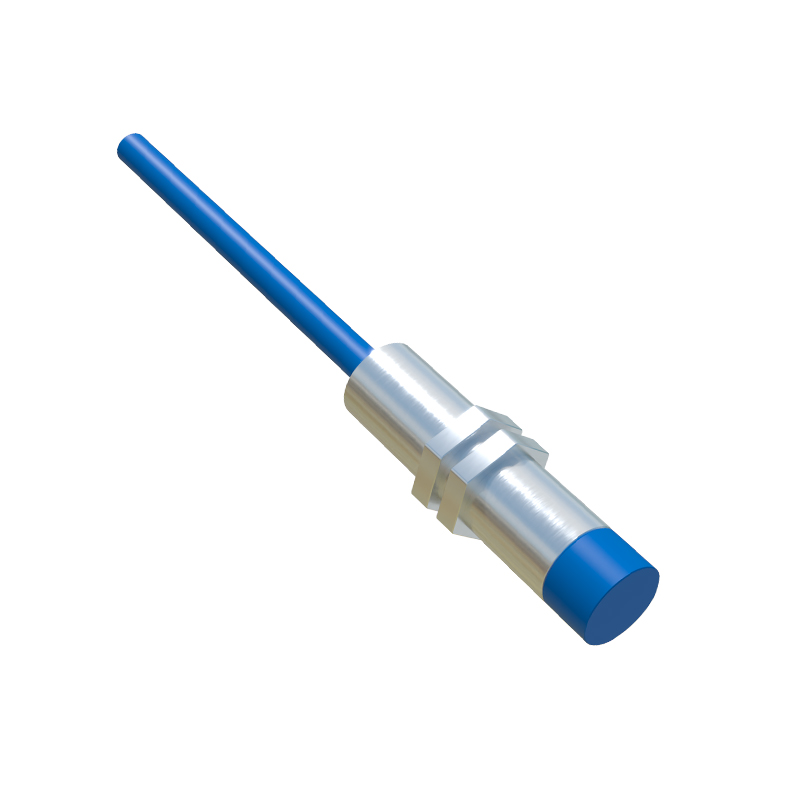
Furthermore, photoelectric sensors exhibit remarkable versatility in target detection. They can sense a vast array of materials—metal, plastic, wood, glass, liquid levels, and even transparent films—provided the object's reflectivity and the sensor's sensitivity are appropriately matched. Modern sensors incorporate advanced features like background suppression (BGS) and foreground suppression (FGS), which allow them to ignore objects beyond or before a set distance, solving complex detection problems. The advent of fiber optic units, where the amplifier is separate from the sensing head connected by flexible cables, extends their utility into extreme environments of high temperature, tight spaces, or areas with high electromagnetic interference.
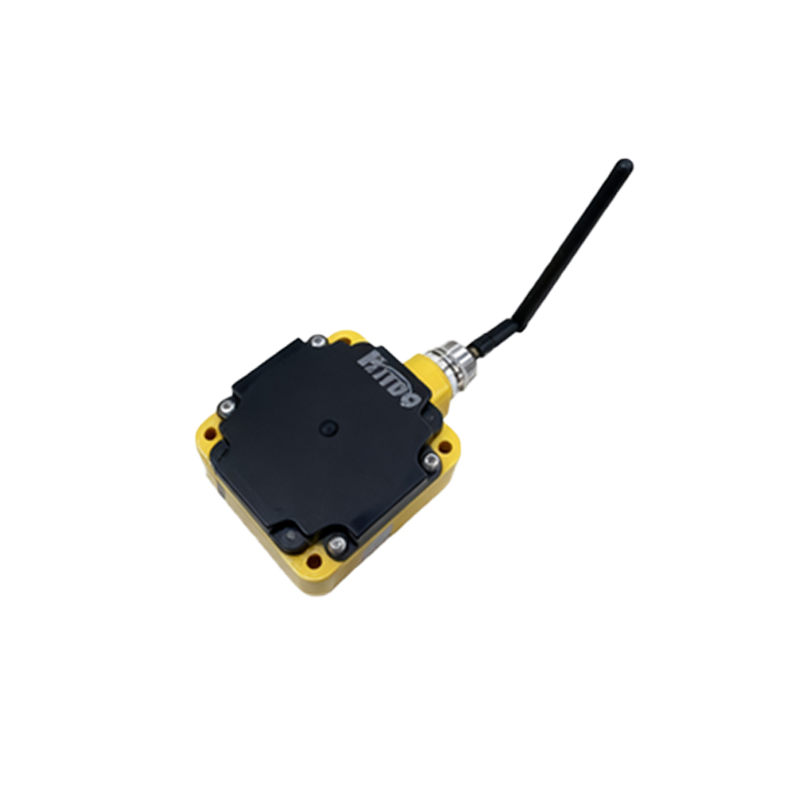
However, their performance is not without constraints. The primary challenge lies in their susceptibility to environmental factors. Ambient light, particularly strong sunlight or strobe lighting, can interfere with the sensor's emitted beam. Dust, fog, steam, and dirt accumulation on the lens can attenuate the light signal, leading to false triggers or detection failures. Target properties are also critical; highly reflective or absorbent surfaces, or targets with inconsistent colors, can affect the reliable sensing distance. Therefore, proper selection and installation are paramount. Choosing the right light source (laser for precision, infrared for stability), housing rating (IP67/IP69K for washdown environments), and output configuration (PNP/NPN, analog, IO-Link) is essential for optimal performance.
In practical industrial settings, photoelectric proximity sensors prove their worth daily. They are indispensable in packaging machinery for detecting labels, fill levels, and product presence. In material handling, they count boxes, control conveyor gates, and ensure pallet positioning. Automotive assembly lines rely on them for robot guidance and part verification. The integration of smart sensors with IO-Link communication provides valuable diagnostic data, such as signal strength, operating hours, and contamination warnings, enabling predictive maintenance and reducing downtime.
When compared to inductive (metal-only) or capacitive (material-sensitive) proximity sensors, photoelectrics offer superior range and material flexibility. Against ultrasonic sensors, they provide faster response and higher precision but may struggle with sound-absorbing materials or turbulent air. The choice ultimately depends on the specific application's demands.
In conclusion, photoelectric proximity sensors are exceptionally good for a wide spectrum of industrial applications. Their strengths in non-contact sensing, long range, high speed, and material versatility make them a cornerstone of modern automation. Their "goodness" is contingent upon a thorough understanding of their operating principles and a careful matching of sensor specifications to the application's environmental and target requirements. When selected and applied correctly, they deliver unparalleled reliability, contributing significantly to enhanced productivity, quality control, and operational intelligence in demanding industrial landscapes.