Proximity sensors are non-contact electronic devices designed to detect the presence or absence of an object within a specific range without physical contact. These sensors operate based on various principles, such as electromagnetic fields, capacitance, or light, making them essential components in modern industrial automation and control systems.
The primary function of a proximity sensor is to sense when an object enters its detection zone and convert this event into an electrical signal. This signal can then be used to trigger actions in machinery, such as starting or stopping a conveyor belt, counting items on a production line, or ensuring safety by preventing collisions in robotic systems. Unlike mechanical switches, proximity sensors offer high reliability, fast response times, and minimal wear, as they do not require physical interaction with the target object.
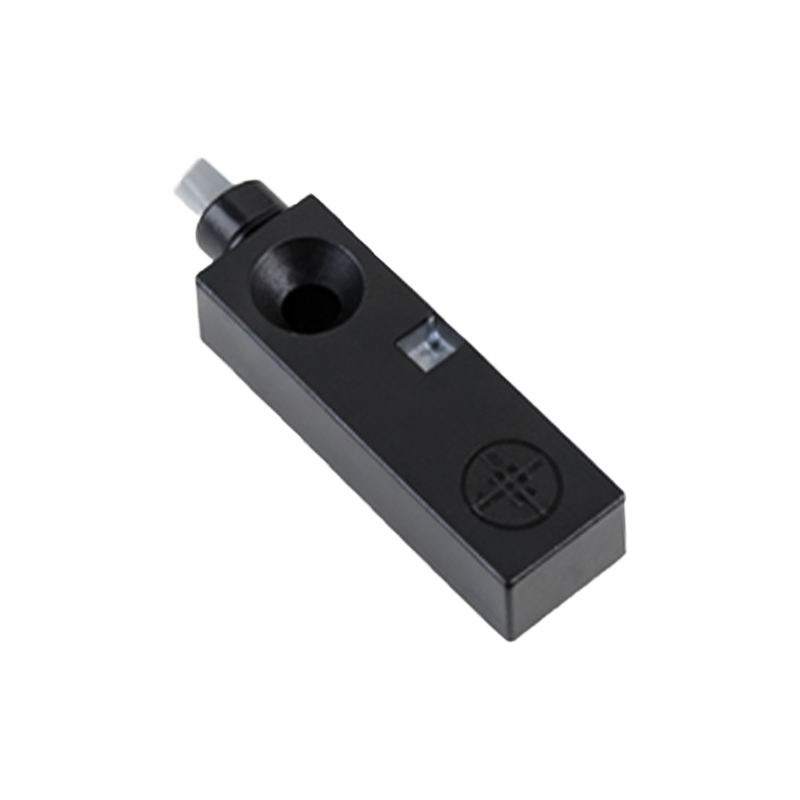
There are several types of proximity sensors, each suited to different applications. Inductive proximity sensors, for example, detect metallic objects by generating an electromagnetic field. When a metal object enters this field, it induces eddy currents, causing a change in the sensor's oscillation amplitude, which is then detected. These sensors are widely used in manufacturing for tasks like detecting metal parts in assembly lines or monitoring machine tool positions.
Capacitive proximity sensors, on the other hand, can detect both metallic and non-metallic objects, including liquids, plastics, and wood. They work by measuring changes in capacitance when an object enters the sensor's electrostatic field. This versatility makes them ideal for applications in packaging, food processing, and material handling, where diverse materials need to be sensed.
Ultrasonic proximity sensors use sound waves to detect objects, making them effective for distance measurement and level sensing in challenging environments, such as those with dust, smoke, or varying temperatures. They are commonly employed in automotive systems, tank level monitoring, and automated guided vehicles (AGVs).
Photoelectric proximity sensors rely on light beams, typically infrared, to detect objects. They can be configured in through-beam, retro-reflective, or diffuse modes, offering flexibility for long-range detection or precise positioning. These sensors are prevalent in electronics manufacturing, pharmaceutical industries, and security systems.
In industrial settings, proximity sensors enhance efficiency and safety. They enable precise control in automated processes, reduce downtime by preventing jams or misalignments, and contribute to energy savings by activating equipment only when needed. For instance, in automotive manufacturing, proximity sensors ensure robots weld or assemble parts accurately, while in logistics, they help sort packages on conveyor systems.
When selecting a proximity sensor, factors such as detection range, material compatibility, environmental conditions, and output type (e.g., digital or analog) must be considered. Proper installation and maintenance are crucial to ensure optimal performance, including regular cleaning to avoid false triggers from debris or contaminants.
Overall, proximity sensors play a vital role in the advancement of smart factories and Industry 4.0 initiatives. By providing real-time data on object presence and position, they support predictive maintenance, quality control, and seamless integration with programmable logic controllers (PLCs) and other automation systems. As technology evolves, innovations like IoT-enabled sensors and miniaturized designs are expanding their applications, making them indispensable tools for improving productivity and safety across various industries.