In the realm of industrial automation, consumer electronics, and advanced robotics, proximity and light sensors serve as the fundamental organs of perception for modern systems. As an electrical engineer, a precise and functional understanding of these components is paramount. This article delves into the operational principles, key types, and practical applications of these ubiquitous sensors, clarifying the distinct yet sometimes integrated nature of "proximity" and "light" sensing.
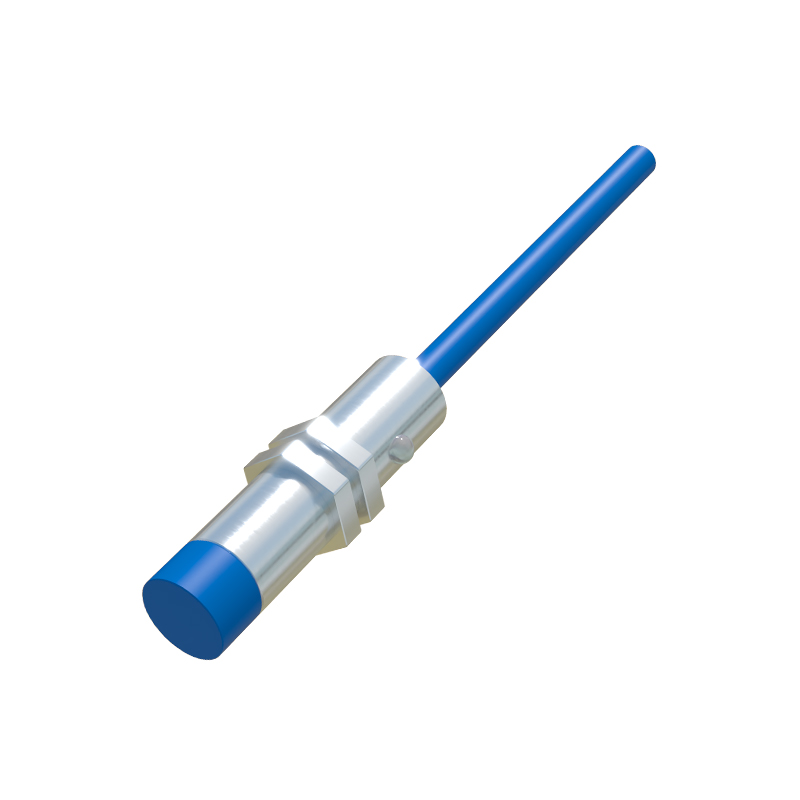
Fundamentally, a proximity sensor is a device that detects the presence or absence of an object within a specified range without any physical contact. Its primary function is to sense "nearness." The mechanism varies significantly by technology. Inductive proximity sensors generate an electromagnetic field and detect eddy current losses caused by metallic objects entering this field. They are exceptionally robust for metal detection in harsh industrial environments. Capacitive sensors, conversely, detect changes in capacitance caused by the presence of any material (metal, plastic, liquid, etc.) and are often used for level detection or non-metallic object sensing. Ultrasonic sensors calculate distance by emitting sound waves and measuring the time for the echo to return, effective for longer ranges and various materials. Finally, photoelectric sensors, which bridge the gap between proximity and light sensing, use a light beam (often infrared) to detect object interruption or reflection.
Light sensors, more accurately termed ambient light sensors or photodetectors, are specifically designed to measure the intensity, wavelength, or presence of visible or invisible light. Their core parameter is illuminance, measured in lux. The most common type is the photodiode, which generates a current proportional to the incident light intensity. Phototransistors offer higher sensitivity by combining light detection with internal amplification. In sophisticated applications, spectrometers and color sensors analyze specific wavelengths. The key distinction from a simple proximity photoelectric sensor is that a dedicated light sensor quantifies light levels for system adjustment, not merely for binary object detection. For instance, they automatically dim a smartphone screen in bright sunlight or adjust the brightness of a car's dashboard.
A critical area of convergence is the integrated Proximity and Ambient Light Sensor (PALS), commonly found in smartphones, tablets, and laptops. This single module typically houses an infrared LED for proximity detection and a separate photodiode for ambient light sensing. During a phone call, the IR LED emits light, and its reflection from a nearby object (like your ear) is measured to turn off the display. Simultaneously, the ambient light sensor continuously measures environmental brightness to optimize screen backlight and power consumption. This integration exemplifies how these two functions, while technically distinct, are combined for enhanced user experience and system efficiency.
From an engineering design perspective, selecting the appropriate sensor involves a detailed analysis of requirements. For proximity sensing, key specifications include sensing distance (nominal and effective), repeat accuracy, target material, response frequency, and environmental robustness (IP rating, temperature range). For light sensing, parameters like spectral response (matching human eye sensitivity with a photopic curve), detection range (in lux), resolution, and response time are critical. Electrical interfacing is another major consideration; while many sensors provide simple digital or analog outputs, advanced I2C or SPI digital sensors offer precise, noise-immune communication and additional features like interrupt functionality.
Applications are vast and sector-specific. In automotive systems, proximity sensors enable parking assistance and collision avoidance, while light sensors manage automatic headlights and interior lighting. In manufacturing, proximity sensors are indispensable for position verification, counting, and jam detection on conveyor lines. Consumer electronics rely heavily on integrated PALS for power management and user interface control. Emerging fields like IoT and smart agriculture utilize these sensors for asset monitoring, security, and optimizing plant growth conditions based on light levels.
In conclusion, a "proximity and light sensor" refers to technologies dedicated to detecting object presence and measuring light intensity, respectively. Their operational principles—based on electromagnetic fields, capacitance, sound, or photonics—are well-defined. For the practicing engineer, the challenge and opportunity lie in meticulously matching the sensor's characteristics to the application's demands, considering factors from physical constraints to signal integrity and system integration. As systems grow smarter and more interactive, the nuanced understanding and innovative application of these sensory components will remain a cornerstone of effective electrical design.