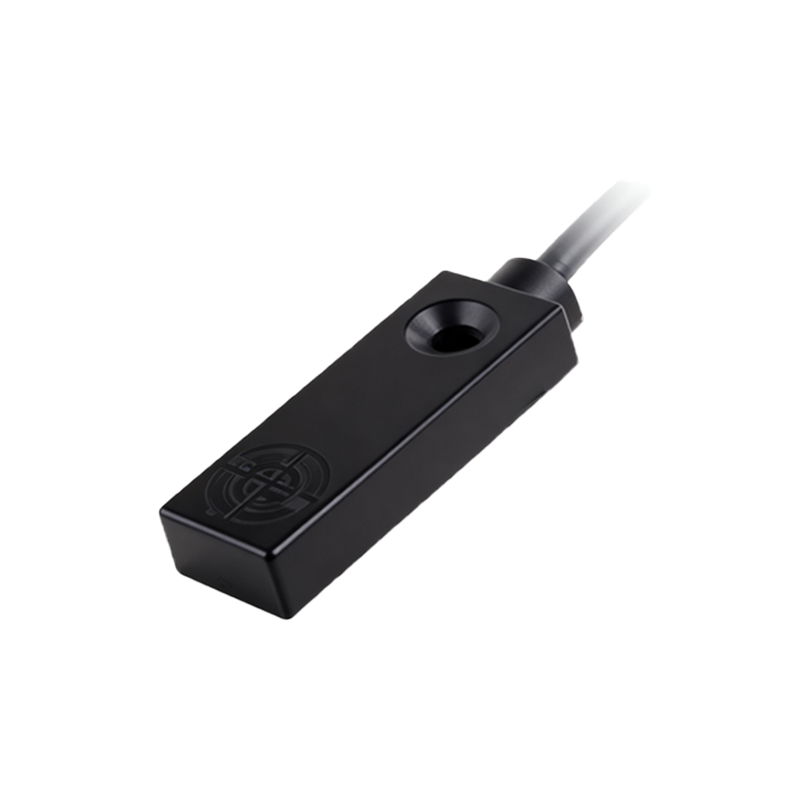
Capacitive proximity sensors are essential components in modern industrial automation, offering non-contact detection of various materials, including metals, plastics, liquids, and granular substances. Their pricing structure is influenced by multiple factors, making it crucial for engineers and procurement specialists to understand the market dynamics. Typically, the cost of these sensors ranges from $20 to $200 per unit, depending on specifications, brand, and additional features.
Key determinants of price include sensing range, output type (e.g., NPN, PNP, analog), housing material (such as stainless steel or plastic), and environmental ratings like IP67 or IP69K for harsh conditions. High-end models with extended ranges (up to 40mm) or specialized functions, such as temperature compensation or IO-Link communication, can exceed $150. In contrast, basic models with shorter ranges (5-10mm) are more affordable, often priced under $50.
Brand reputation significantly impacts pricing. Established manufacturers like Siemens, Omron, and Pepperl+Fuchs command premium prices due to their reliability, extensive warranties, and global support networks. For instance, a Siemens capacitive sensor with advanced diagnostics might cost around $120, while a generic equivalent could be as low as $25. However, opting for cheaper alternatives may involve trade-offs in longevity and accuracy, especially in demanding applications like food processing or chemical plants.
Market trends show a gradual price decline for standard sensors due to increased competition and manufacturing efficiencies. Meanwhile, smart sensors with digital interfaces are becoming more cost-effective, driving adoption in Industry 4.0 setups. Bulk purchasing (orders of 100+ units) often yields discounts of 10-20%, making it a viable strategy for large-scale projects.
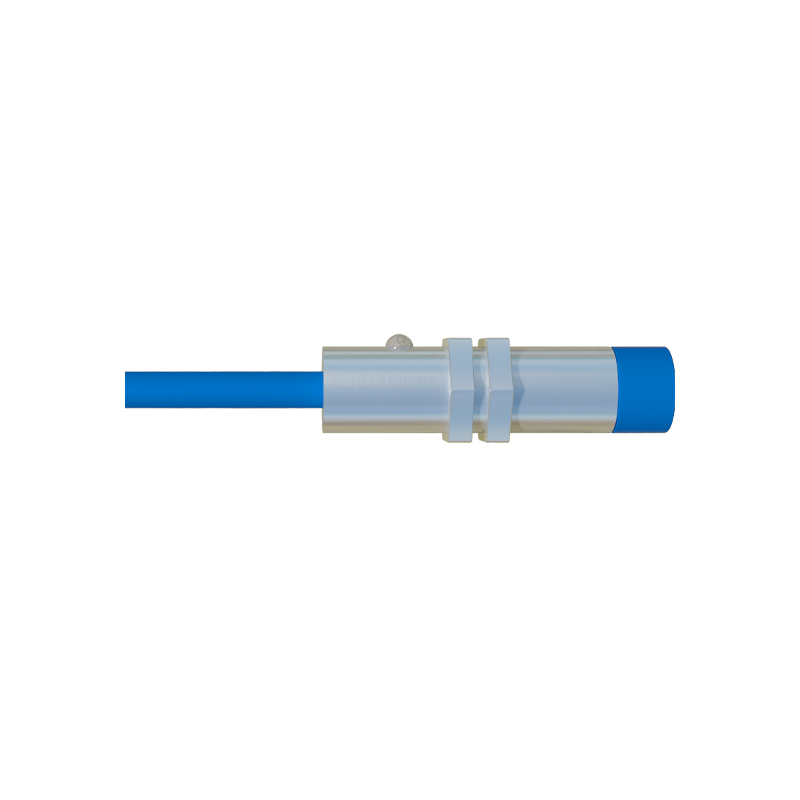
When evaluating costs, engineers should consider total ownership expenses, including installation, maintenance, and potential downtime. A sensor priced higher upfront may offer better ROI through reduced failures. Additionally, regional factors like import tariffs or supply chain disruptions can cause price fluctuations; sourcing from local distributors might mitigate delays but at a slight premium.
In summary, capacitive proximity sensor prices vary widely based on technical requirements and brand value. Investing in quality sensors from reputable suppliers ensures optimal performance in automated systems, balancing initial expenditure with long-term operational benefits. Regular market analysis and supplier negotiations are recommended to secure cost-effective solutions without compromising on industrial standards.