In industrial environments where flammable gases, vapors, or combustible dusts are present, the selection and implementation of sensing equipment is not merely a matter of functionality—it is a critical safety imperative. Among the most vital components in such hazardous locations are explosion-proof proximity switches. These specialized devices are engineered to detect the presence or absence of an object without physical contact, all while containing any potential ignition source within their robust housings to prevent catastrophic events.
The fundamental principle behind a standard inductive or capacitive proximity switch involves generating an electromagnetic field. When a metallic or dielectric target enters this field, it causes a change in oscillation, which is detected by the switch's internal circuitry, triggering an output signal. In a hazardous area, a simple spark from this circuitry or excessive surface temperature could ignite the surrounding atmosphere. This is where explosion-proof construction becomes non-negotiable.
Explosion-proof, as defined by standards such as NEC (NFPA 70) in North America and ATEX in Europe, does not mean the device is immune to explosion. Rather, it signifies that the enclosure is designed to withstand an internal explosion of specified gases or dusts and prevent the ignition from propagating to the external hazardous atmosphere. The housing, typically crafted from heavy-duty materials like stainless steel or brass with machined flame paths, is built to cool hot gases escaping from any internal fault below the ignition temperature of the surrounding environment.
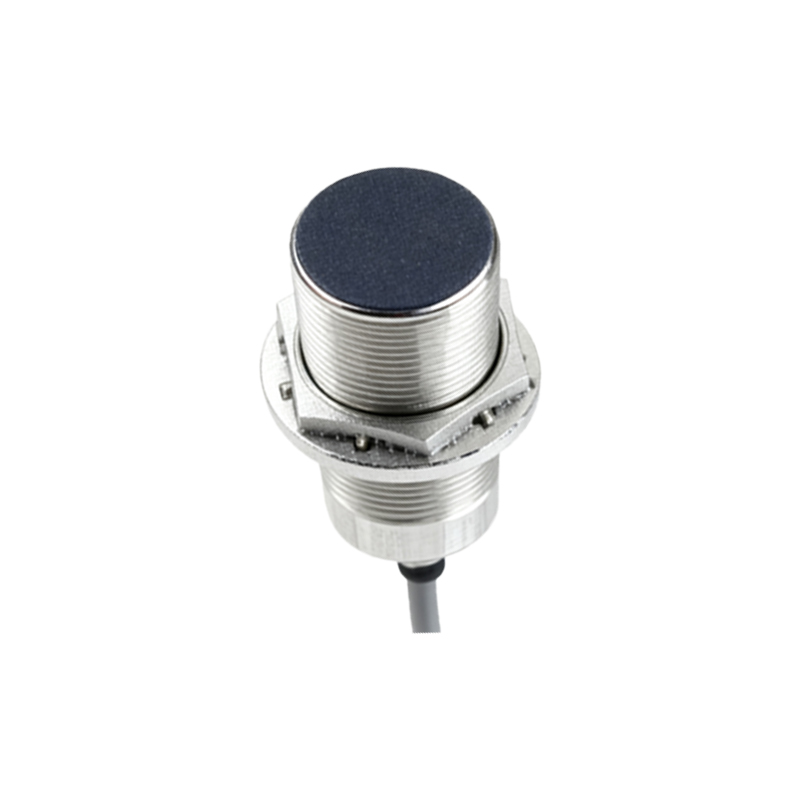
Key certifications and markings are paramount. In North America, look for listings from UL or FM approving the switch for specific Class, Division, and Group classifications (e.g., Class I, Division 1, Groups C & D for hazardous gases like hydrogen or propane). The ATEX directive in Europe uses categories (e.g., Category 2G for zone 1 gas environments) and Equipment Protection Levels (EPL). Intrinsic safety (Ex i) is another common protection method, limiting electrical energy to levels too low to cause ignition, often used in conjunction with barriers.
Selecting the right explosion-proof proximity switch requires a thorough hazard analysis. First, identify the material present (gas, dust, fibers), its auto-ignition temperature, and the zone/division classification of the installation area. The switch's temperature class (T1 to T6, with T6 being the coolest) must be below the ignition temperature of the hazardous material. Environmental factors like moisture, corrosion, mechanical shock, and expected sensing range also dictate the choice of housing material (e.g., 316 stainless for corrosive settings), ingress protection rating (IP67/IP68), and sensing technology (inductive for metals, capacitive for non-metals, ultrasonic for varied targets).
Installation and maintenance practices are equally crucial. Proper installation according to manufacturer guidelines and applicable codes—such as using correctly rated conduits and seals to maintain the integrity of the explosion-proof enclosure—is essential. Regular inspections should check for physical damage to the housing, integrity of cable entries, and accumulation of dust or residue that could affect performance or heat dissipation. Calibration and functional checks ensure reliable operation over time.
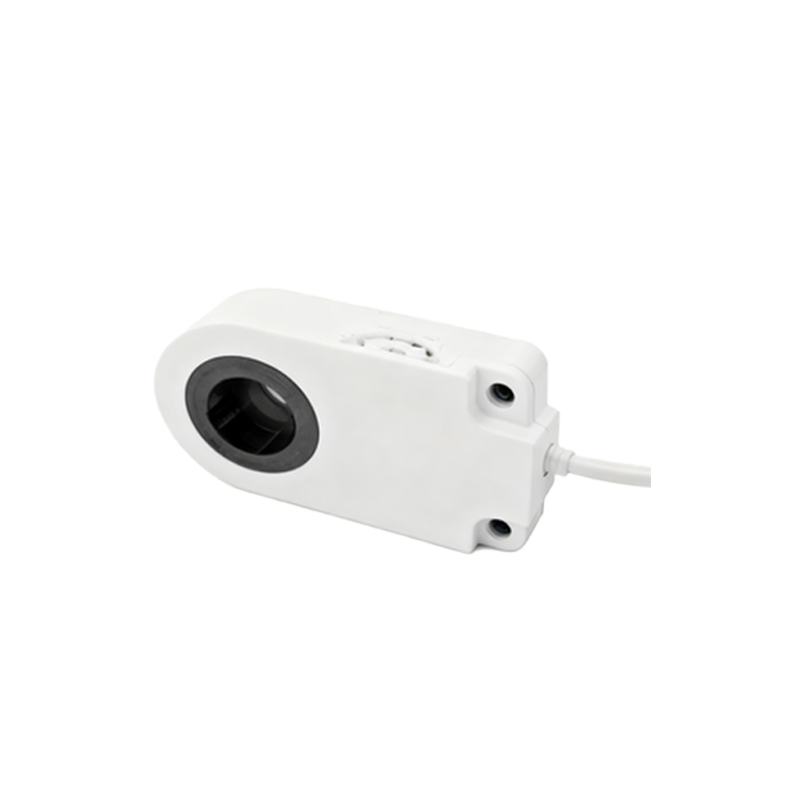
The applications are vast and critical. In oil and gas, these switches monitor valve positions on offshore platforms or in refineries. In chemical processing plants, they control level detection in mixers containing volatile solvents. In grain elevators and flour mills, they serve as part of safety interlock systems on conveyors and silos, where combustible dust clouds pose a constant threat. Their role in enabling automation while upholding the highest safety standards cannot be overstated.
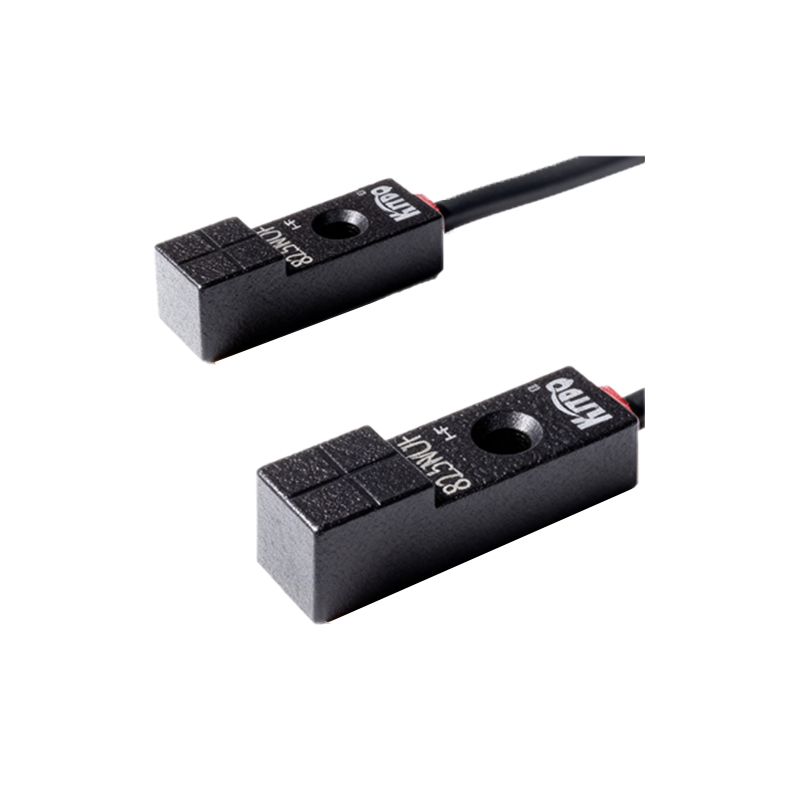
In conclusion, explosion-proof proximity switches represent a sophisticated fusion of sensing technology and safety engineering. Their correct selection, based on a rigorous understanding of area classification and device certifications, coupled with diligent installation and upkeep, forms a cornerstone of modern industrial safety in hazardous locations. They are not just components but guardians, allowing processes to proceed with confidence and security.