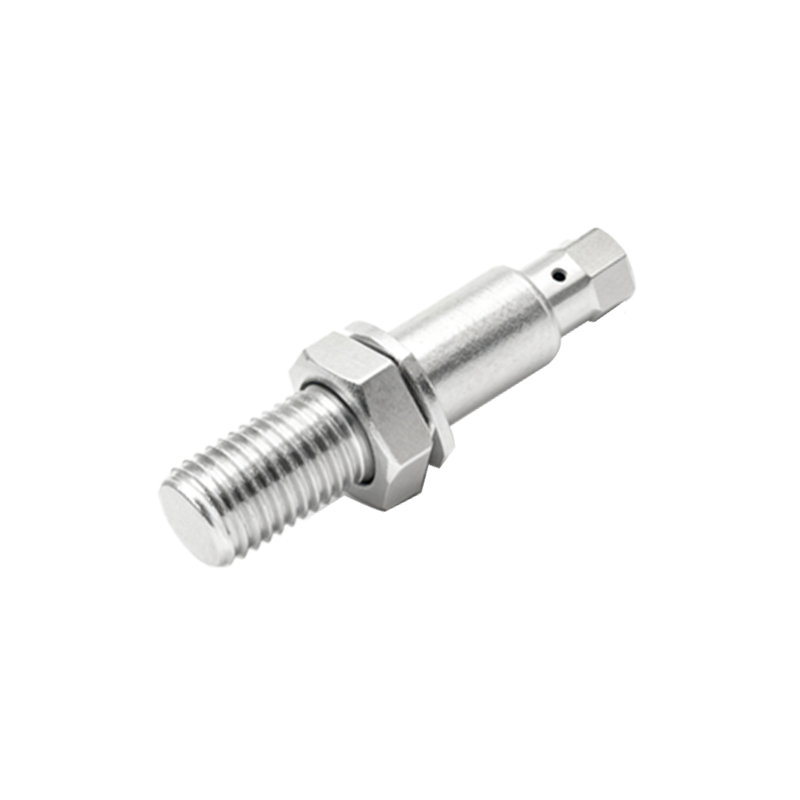
In the intricate landscape of industrial automation and precision manufacturing, the electrode wire proximity sensor stands as a critical component, ensuring operational safety, accuracy, and efficiency. This specialized sensor operates on the principle of detecting the presence or absence of conductive materials—typically metals—without physical contact, using an electrode wire as its sensing element. Its applications span across various sectors, including CNC machining, robotics, and assembly lines, where it plays a pivotal role in monitoring and controlling processes.
The core function of an electrode wire proximity sensor is to detect the approach of a target object, such as a metal part or tool, and trigger a response in the control system. This is achieved through electromagnetic induction or capacitive sensing, depending on the design. In inductive models, the sensor generates an electromagnetic field around the electrode wire; when a conductive object enters this field, it induces eddy currents, altering the field's characteristics and signaling the object's presence. Capacitive versions, on the other hand, detect changes in capacitance caused by the proximity of any material, making them versatile for non-metallic targets as well. This non-contact detection mechanism minimizes wear and tear, reduces maintenance costs, and enhances the longevity of both the sensor and the machinery.
One of the primary advantages of electrode wire proximity sensors is their ability to operate in harsh environments. They are often built to withstand extreme temperatures, moisture, dust, and vibrations, which are common in industrial settings. For instance, in metalworking or welding applications, these sensors can reliably detect the position of electrode wires or components without being affected by sparks or debris. This robustness ensures continuous operation and prevents downtime, contributing to higher productivity and reduced risk of accidents. Moreover, their high-speed response time allows for real-time monitoring, enabling precise control over fast-moving processes like conveyor systems or robotic arms.
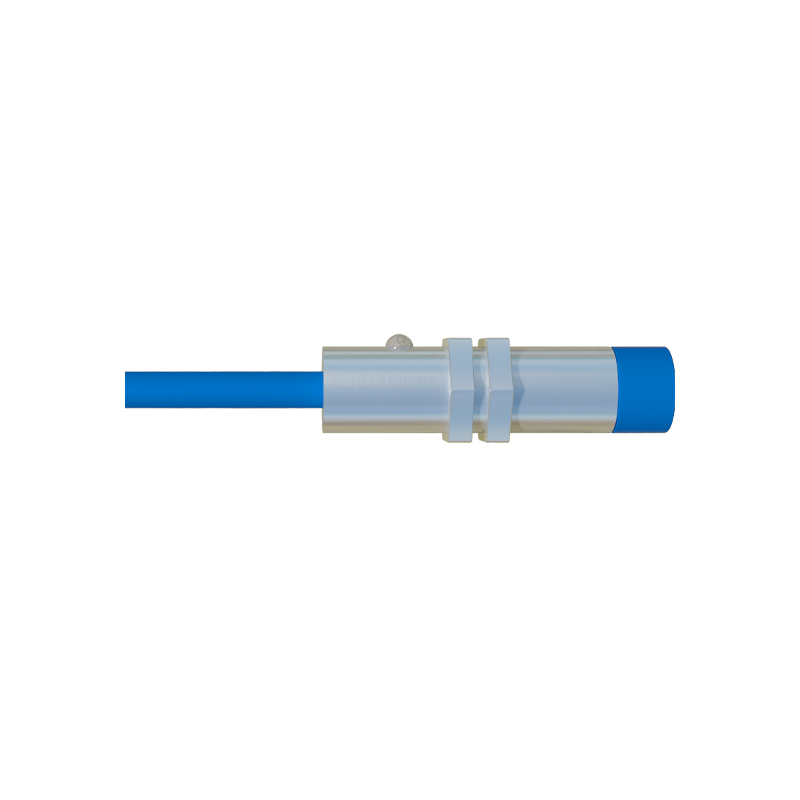
In practice, electrode wire proximity sensors are integral to quality assurance and process optimization. They are used to verify the correct positioning of parts, detect jams or misalignments, and initiate safety shutdowns in case of malfunctions. For example, in automated assembly lines, these sensors can confirm that a component is properly seated before proceeding to the next stage, thereby minimizing errors and rework. Additionally, they facilitate energy efficiency by activating machinery only when needed, reducing unnecessary power consumption. As industries increasingly adopt Industry 4.0 and IoT frameworks, these sensors are being integrated with smart systems to provide data analytics, predictive maintenance, and remote monitoring capabilities.
Despite their benefits, selecting the right electrode wire proximity sensor requires careful consideration of factors such as sensing range, material compatibility, and environmental conditions. Engineers must assess the specific application needs to choose between inductive, capacitive, or ultrasonic types, ensuring optimal performance. Regular calibration and maintenance are also essential to sustain accuracy over time. Looking ahead, advancements in miniaturization and wireless technology are expected to further enhance their functionality, making them even more indispensable in the evolving industrial landscape. In summary, electrode wire proximity sensors are unsung heroes in modern manufacturing, driving precision, safety, and efficiency through reliable non-contact detection.