Proximity sensors are indispensable components in modern industrial automation, manufacturing lines, and safety systems. Their non-contact detection capability for metallic and, in some cases, non-metallic objects makes them reliable for position sensing, counting, and limit applications. However, like any electronic device, they are susceptible to malfunctions. Understanding the root causes of these failures is critical for minimizing downtime and maintaining operational efficiency. This article delves into the primary reasons for proximity sensor abnormalities, offering a technical perspective for engineers and maintenance personnel.
One of the most frequent culprits behind sensor failure is environmental contamination. Industrial settings often expose sensors to oils, coolants, metal chips, dust, and conductive swarf. Metallic particles can adhere to the sensor's active face, effectively shielding the electromagnetic field and causing false triggering or a complete loss of sensing capability. Similarly, a buildup of non-conductive material like thick grease or paint can increase the nominal sensing distance, leading to unreliable operation. Regular cleaning schedules using appropriate solvents are essential, but in highly contaminated environments, selecting sensors with higher IP (Ingress Protection) ratings, such as IP67 or IP69K, is a proactive design choice.
Electrical interference and improper wiring constitute another major category of issues. Inductive proximity sensors generate an oscillating electromagnetic field. When installed in close proximity to other sensors, high-current cables, or variable frequency drives (VFDs), electromagnetic interference (EMI) can disrupt this field. Symptoms include erratic switching, reduced sensing range, or even permanent damage to the internal oscillator circuit. Proper installation practices are paramount: maintaining adequate separation from noise sources, using shielded cables grounded at only one end, and routing sensor wires away from power lines in separate conduits. Additionally, incorrect power supply connections—reverse polarity, voltage spikes, or using an AC supply on a DC sensor—can instantly destroy the sensor's output circuit. Always verify the sensor's datasheet specifications for voltage, current, and wiring diagrams (PNP vs. NPN, NO vs. NC).
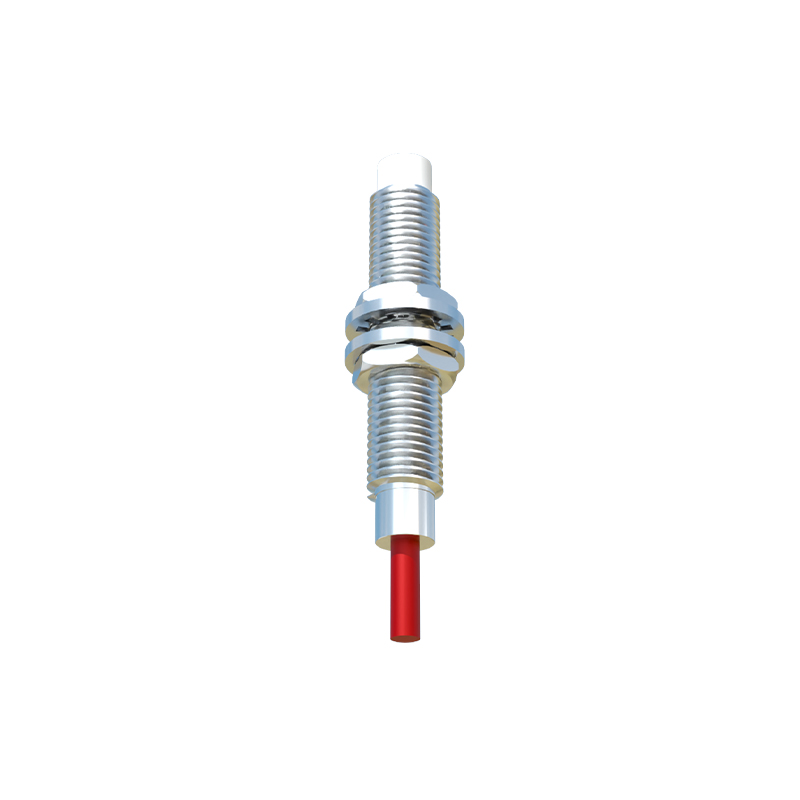
Mechanical stress and physical damage are often overlooked causes. While sensors are built to be robust, excessive vibration can loosen internal components or connections, leading to intermittent faults. Direct physical impact can crack the housing or the sensing face, allowing moisture ingress. Improper mounting, such as over-tightening the mounting nut, can deform the housing and affect performance. Ensuring sensors are mounted securely using appropriate brackets and in locations where they are protected from accidental impacts (e.g., by machine parts or tools) is crucial. For high-vibration applications, sensors with specialized damping or construction should be specified.
Sensor selection errors are a pre-installation cause that manifests as operational failure. Using a standard inductive sensor to detect a non-ferrous metal like aluminum or copper will result in a drastically reduced sensing distance, often mistaken for a fault. For such applications, sensors specifically designed for non-ferrous metals (with a factor of 1, such as stainless steel sensors) are required. Similarly, selecting a sensor with an insufficient sensing range for the application will cause consistent failure to detect the target. Understanding the target material, size, and the required nominal sensing distance (Sn) is fundamental. Another common mistake is ignoring the sensor's hysteresis specification, which can lead to "chatter" or unstable output when a target is at the edge of the sensing range.
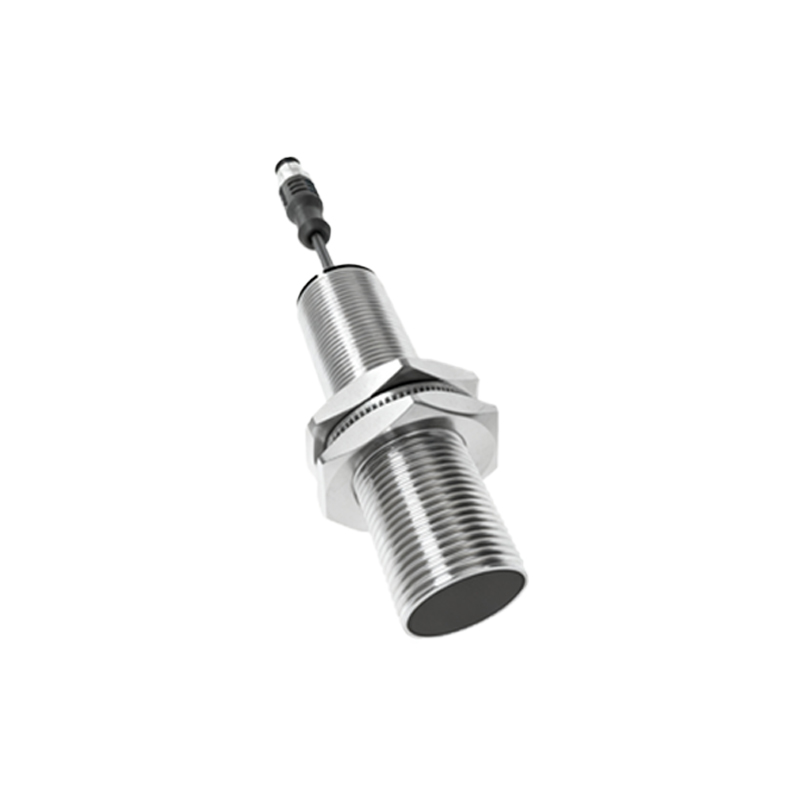
Internal component degradation over time is an inevitable cause of abnormality. The oscillator coil, the core component of an inductive sensor, can degrade due to thermal cycling. Capacitors and other electronic components on the sensor's PCB have a finite lifespan, especially when operated near their temperature limits. Output transistors can fail due to sustained overcurrent, often from a short circuit in the load. While wear-out failures are expected, their onset can be accelerated by operating the sensor outside its specified temperature, humidity, or voltage ranges. Implementing a preventive maintenance program that includes periodic functional checks can help identify sensors nearing end-of-life before they cause a production stoppage.
Finally, issues with the target object itself can mimic sensor failure. If the target material changes, is smaller than the sensor's face, or does not approach along the sensor's central axis, detection will be unreliable. The sensor must be aligned correctly with the target's path of travel. For example, a wobbling or misaligned actuator might not present a consistent target surface to the sensor. Ensuring the target is of adequate size, material, and approaches consistently within the sensor's specified operating zone is a basic but critical troubleshooting step.
In conclusion, proximity sensor abnormalities stem from a confluence of environmental, electrical, mechanical, and selection factors. Effective troubleshooting requires a systematic approach: verifying power and wiring, inspecting for contamination and damage, confirming