In the realm of industrial automation and precision measurement, error correction laser sensors have emerged as pivotal components, driving advancements in accuracy, reliability, and efficiency. These sophisticated devices utilize laser technology to detect minute deviations or errors in position, alignment, or dimension, subsequently applying real-time corrections to maintain optimal performance. Unlike conventional sensors that merely identify discrepancies, error correction laser sensors integrate advanced algorithms and feedback mechanisms to actively compensate for inaccuracies, ensuring seamless operation in demanding environments.
The core principle behind these sensors lies in their ability to emit a focused laser beam towards a target surface. By analyzing the reflected light—considering factors such as phase shift, intensity, and time-of-flight—the sensor calculates precise distance or positional data. When deviations from predefined parameters are detected, the system triggers corrective actions through integrated controllers or software interfaces. This process is continuous and automated, minimizing human intervention and reducing the risk of errors that could lead to production defects, equipment damage, or safety hazards.
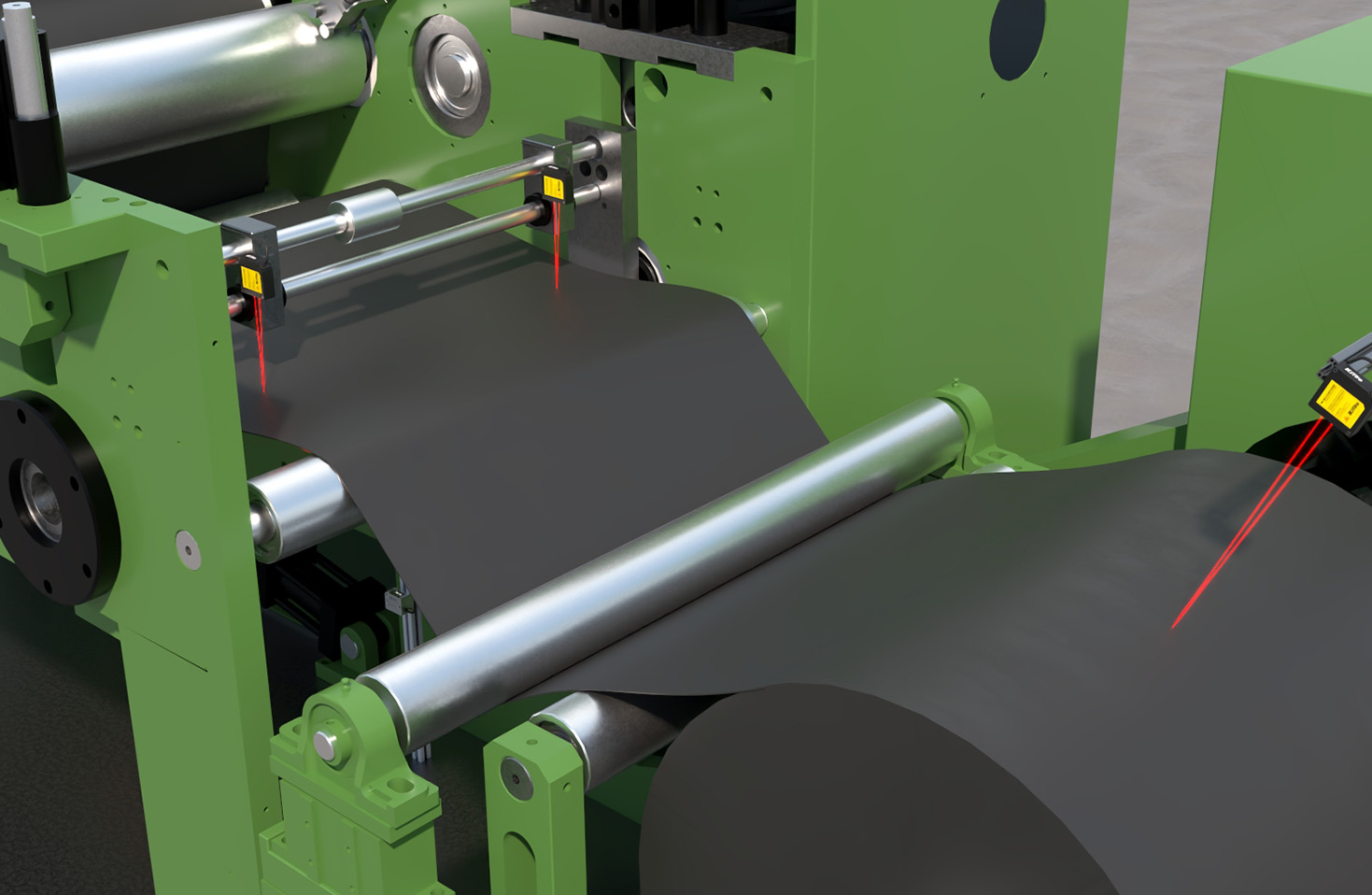
Applications of error correction laser sensors span diverse industries. In manufacturing, they are integral to robotics and assembly lines, where they guide robotic arms in precise part placement, welding, or painting, correcting for thermal expansion or mechanical drift. In semiconductor fabrication, these sensors ensure nanometer-level accuracy in lithography and etching processes, critical for producing high-performance microchips. The aerospace sector relies on them for aligning aircraft components and monitoring structural integrity, while in automotive production, they enhance quality control by verifying tolerances in engine parts or body panels.

Key advantages of adopting error correction laser sensors include enhanced precision, often achieving sub-micron resolution, which surpasses traditional mechanical or optical methods. Their non-contact nature eliminates wear and tear, extending lifespan and reducing maintenance costs. Additionally, they operate effectively in harsh conditions—such as extreme temperatures, vibrations, or dusty environments—thanks to robust designs and immune-to-interference laser signals. Real-time data output also facilitates integration with Industry 4.0 systems, enabling predictive analytics and smart factory optimizations.
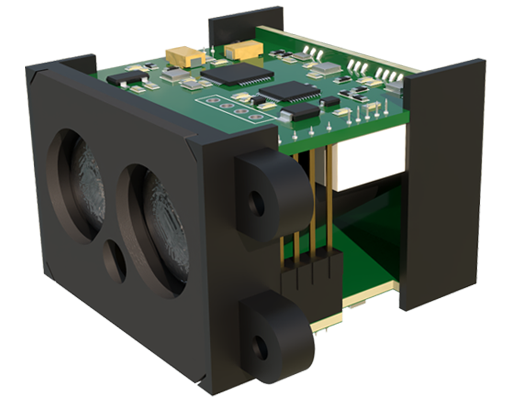
Despite their benefits, challenges persist, including high initial costs and complexity in calibration. However, ongoing innovations in miniaturization, AI-driven algorithms, and multi-sensor fusion are making these devices more accessible and versatile. For instance, modern variants incorporate machine learning to adapt to dynamic environments, improving correction accuracy over time.
In summary, error correction laser sensors represent a transformative technology in precision-driven fields. By proactively addressing errors, they not only boost productivity and quality but also pave the way for more autonomous and intelligent industrial ecosystems. As industries continue to prioritize accuracy and automation, the adoption of these sensors is poised to expand, reinforcing their role as indispensable tools in the future of manufacturing and beyond.